
In surgical and clinical environments, precision instruments play a critical role in ensuring accuracy and efficiency. Among these tools, surgical scissors are essential for cutting tissues, sutures, and dressings. However, one often overlooked factor is hand dominance. Using the wrong type of scissors left-handed versus right-handed can lead to discomfort, reduced control, and compromised performance. […]
Dental Instruments Blog
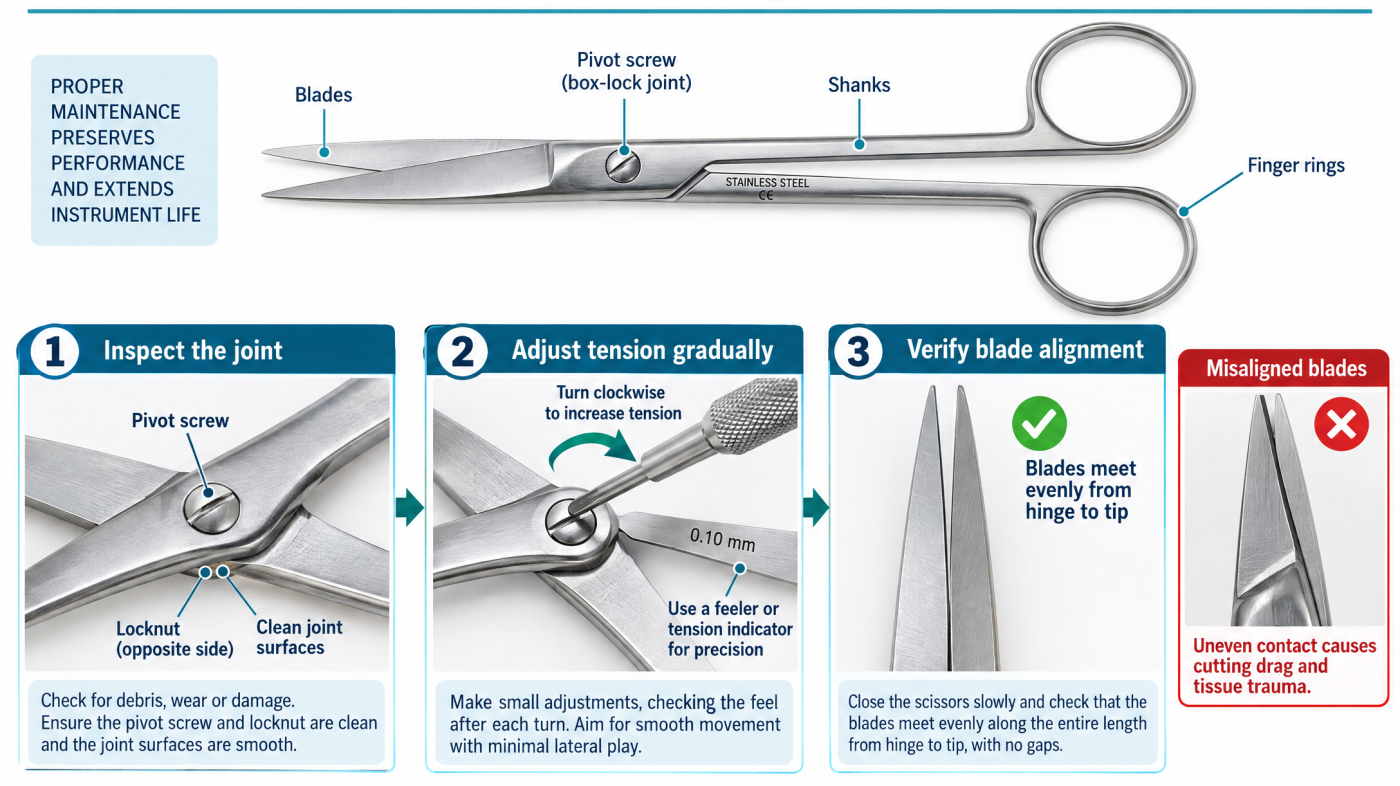
Scissor Joint Maintenance: Preventing Blade Misalignment Through Proper Adjustment
02
Apr
Apr
Scissors are precision instruments widely used in medical, dental, and beauty industries. While blade sharpness often gets the most attention, the joint the point where both blades meet is equally critical. Improper joint maintenance can lead to blade misalignment, reduced cutting efficiency, and premature wear (scissor joint maintenance). Understanding how to properly adjust and maintain […]
Orthodontic Instruments Blog
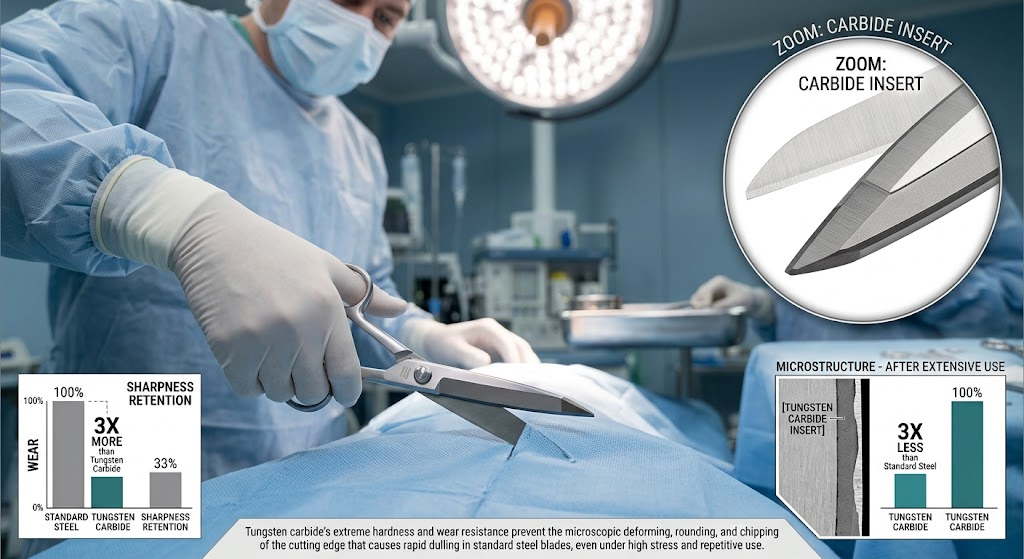
Tungsten Carbide Scissor Blades: How They Maintain Sharpness 3X Longer Than Standard Steel
01
Apr
Apr
In precision-driven industries like dentistry, surgery, and laboratory work, the performance of cutting instruments directly impacts outcomes. One innovation that has significantly elevated cutting efficiency and durability is the use of tungsten carbide scissor blades. Known for their exceptional hardness and wear resistance, these blades maintain sharpness up to three times longer than standard stainless […]
Surgical Instruments Blog
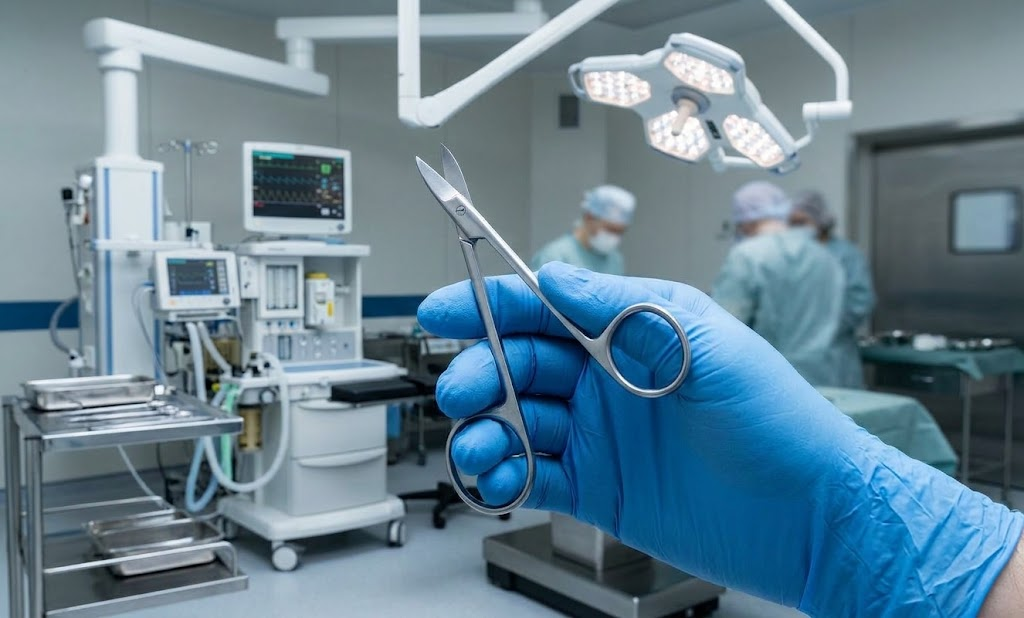
Crown and Bridge Scissors: Specialized Blade Designs for Cutting Dental Materials
01
Apr
Apr
In modern dentistry, precision is not just a requirement it’s the foundation of successful restorative procedures. Among the many instruments used in prosthodontics, crown and bridge scissors play a crucial yet often overlooked role. These specialized scissors are engineered with unique blade designs that allow dental professionals to cut through a variety of materials with […]
Surgical Instruments Blog
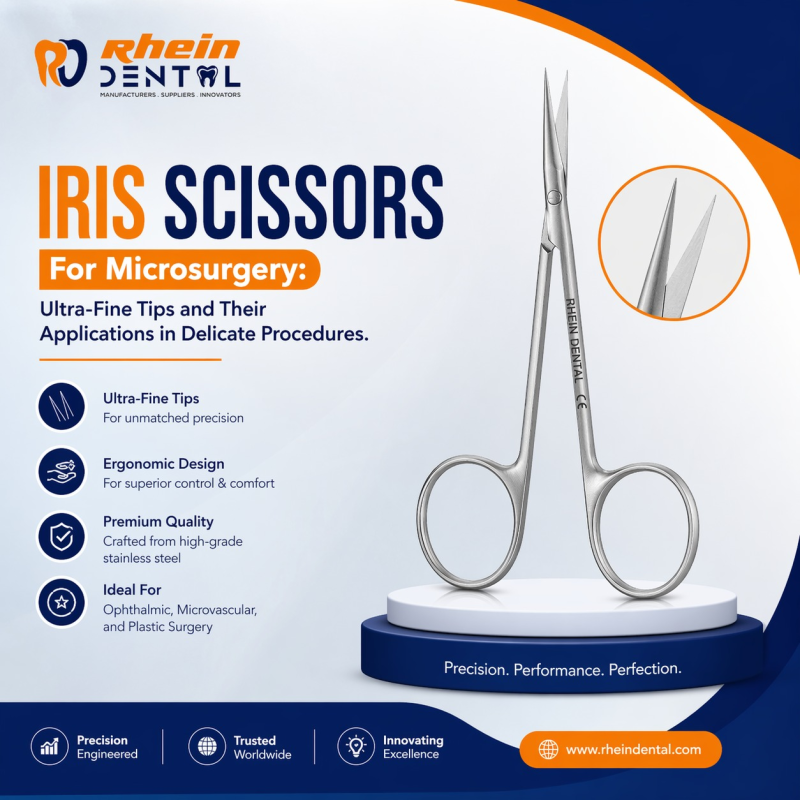
Iris Scissors for Microsurgery: Ultra-Fine Tips and Their Applications in Delicate Procedures
31
Mar
Mar
In the world of microsurgery, precision is everything. When working with tiny structures such as blood vessels, nerves, or delicate tissues, even the smallest error can have significant consequences. Among the essential tools that enable surgeons to perform with exceptional accuracy are Iris scissors—a finely crafted instrument designed for intricate and controlled cutting. Originally developed […]
Surgical Instruments Blog
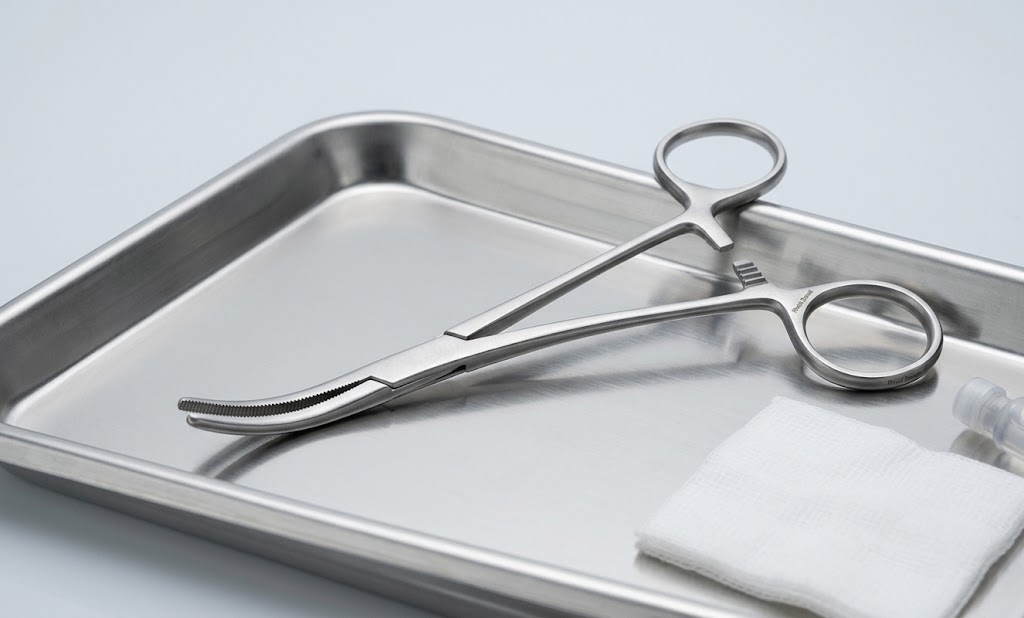
Hemostatic Forceps Maintenance: Cleaning Serrations to Maintain Optimal Gripping Power
30
Mar
Mar
Hemostatic forceps are among the most essential tools in any surgical or dental procedure. They control bleeding, clamp vessels, and secure tissues with precision. However, like any instrument, their performance depends heavily on proper maintenance. One critical aspect often overlooked is the care of their serrations the small ridges along the gripping surfaces. Dirty or […]
Surgical Instruments Blog
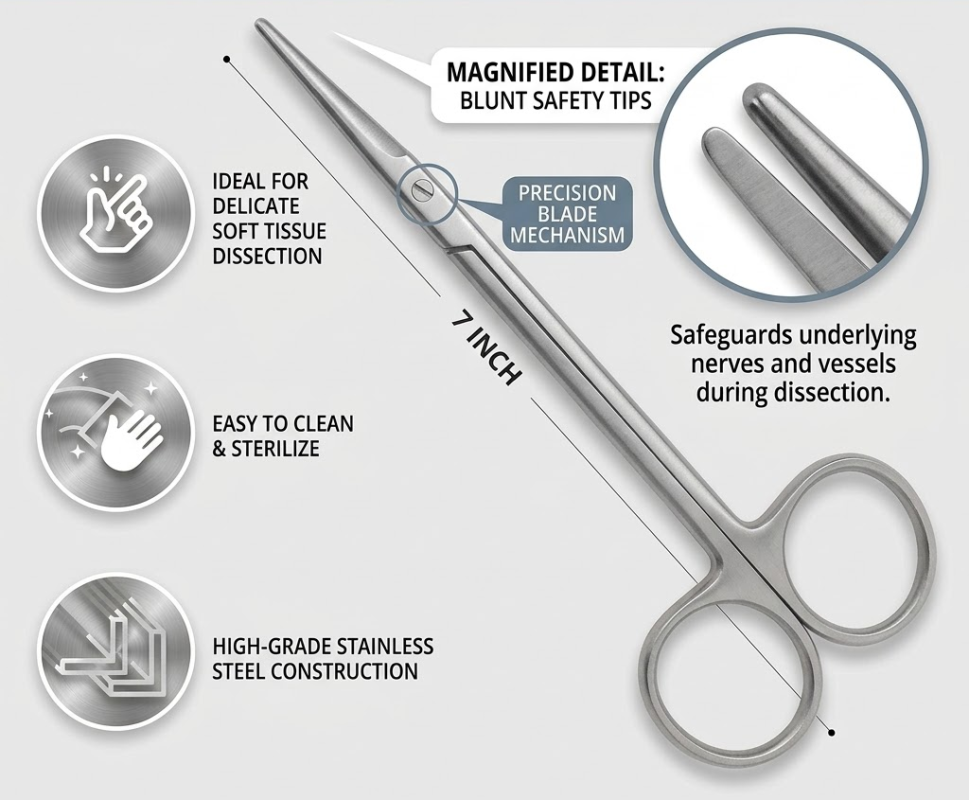
Metzenbaum Scissors in Soft Tissue Dissection: Blunt Tip Design That Prevents Accidental Puncture
30
Mar
Mar
In delicate surgical environments especially in oral and maxillofacial procedures precision isn’t just about sharpness; it’s about control and safety. Among the most trusted instruments for soft tissue work are Metzenbaum scissors, widely recognized for their refined design and atraumatic performance. A defining feature that sets them apart is their blunt tip, engineered specifically to […]
30
Mar
Mar
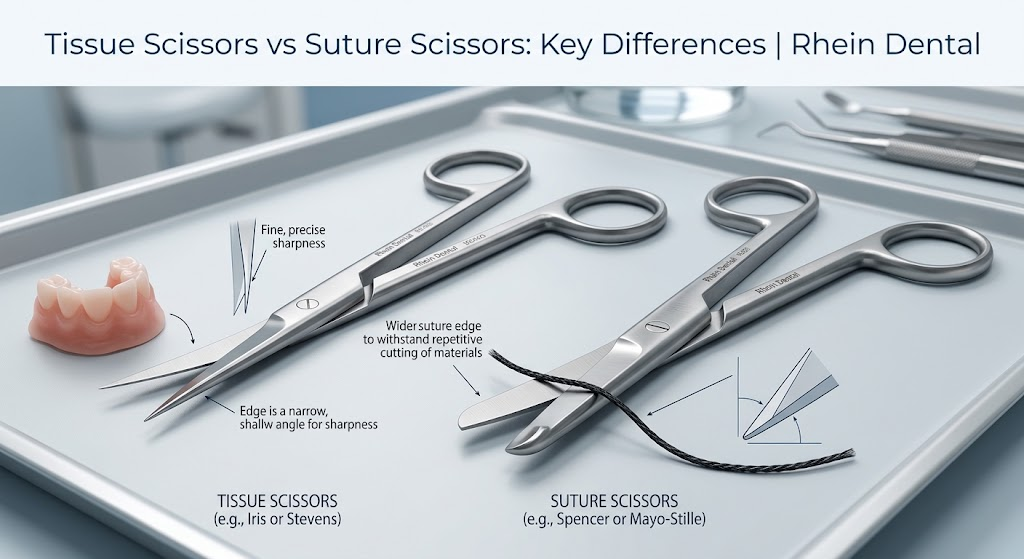
Tissue scissors and suture scissors differ mainly in blade sharpness and edge angle. Tissue scissors carry an ultra-sharp, finely honed blade. Surgeons use them for precise dissection of delicate tissue. Suture scissors carry a sturdier, less sharp edge. This design lets them cut suture material again and again without dulling quickly. These two instruments often […]
Surgical Instruments Blog
Curved vs. Straight Surgical Scissors: How Blade Geometry Affects Access in Oral Cavity
30
Mar
Mar
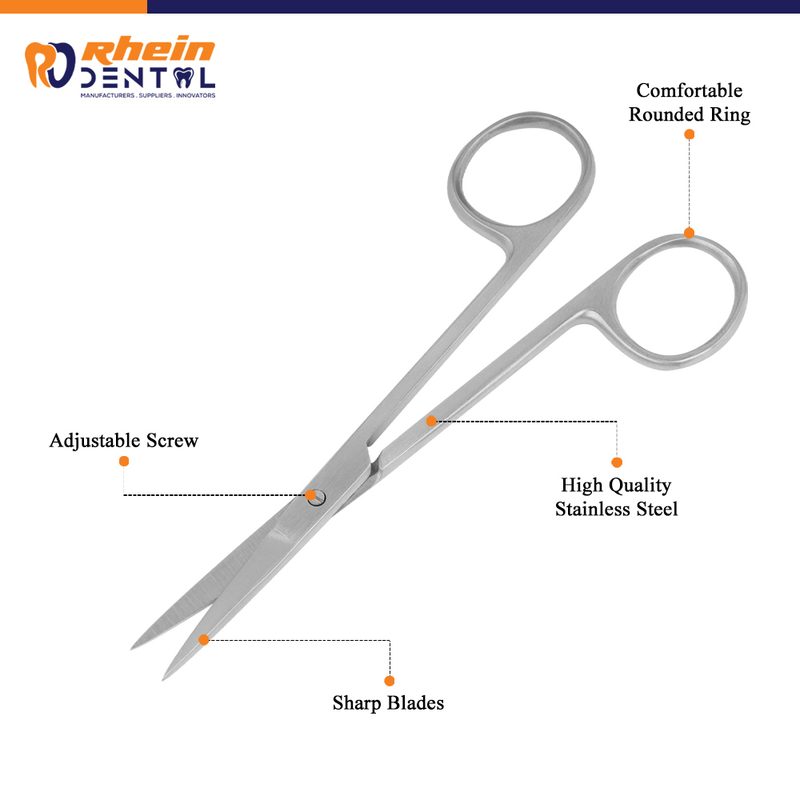
In oral and maxillofacial procedures, access is often limited by the compact and complex anatomy of the mouth. Every millimeter matters. Among the essential instruments used in these procedures, surgical scissors play a critical role not just in cutting, but in enabling precise maneuverability. One of the most important distinctions clinicians must understand is the […]
Surgical Instruments Blog
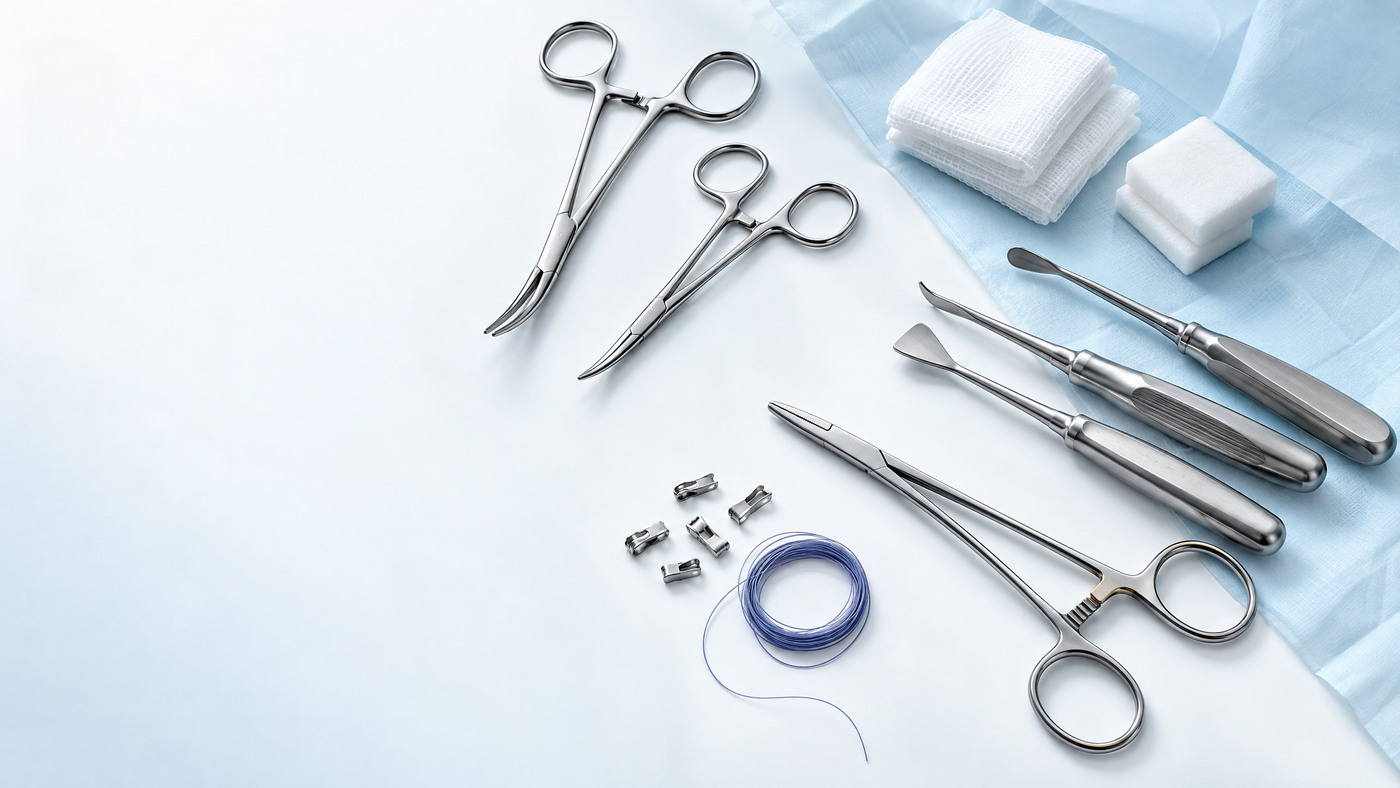
Emergency Bleeding Control: The 5 Essential Hemostatic Instruments Every Dental Office Needs
28
Mar
Mar
Dental emergencies can happen at any time, and uncontrolled bleeding is one of the most critical situations a dental team may face. Therefore, having the right hemostatic instruments on hand is essential to manage bleeding quickly and safely. Proper preparation not only ensures patient safety but also helps maintain confidence and efficiency during urgent procedures. […]