
Orthodontics is a discipline built on accuracy, controlled force, and detailed clinical planning. Every bracket placement, wire adjustment, and appliance modification requires careful execution. Although modern orthodontic technology has improved treatment predictability, orthodontic instrumentation errors continue to affect clinical efficiency and patient outcomes.
From selecting the wrong orthodontic plier to ignoring routine instrument maintenance, small mistakes can create significant problems during treatment. Moreover, poorly handled instruments may lead to inaccurate adjustments, increased chairside time, and unnecessary replacement costs.
For orthodontic professionals, dental assistants, and clinical teams, understanding the most common instrumentation mistakes is essential. By following proper handling techniques, sterilization protocols, and maintenance procedures, practices can improve workflow while protecting both patients and valuable dental equipment.
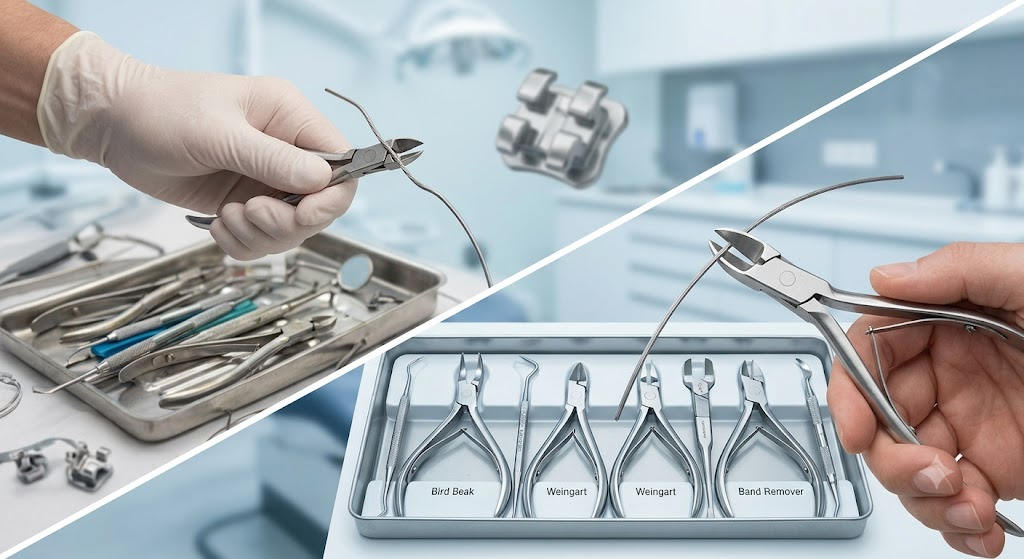
This comprehensive guide explains the most frequent orthodontic instrumentation errors, why they occur, and how dental professionals can prevent them.
Why Correct Orthodontic Instrumentation Is Important
Orthodontic instruments are precision devices designed for specific clinical applications. Unlike general dental tools, orthodontic pliers, cutters, and positioning instruments are manufactured with carefully engineered tips, angles, and mechanisms.
Therefore, even a small mistake in instrument selection or handling can influence treatment quality.
Proper orthodontic instrumentation helps clinicians:
- Achieve accurate wire adjustments
- Improve bracket and appliance handling
- Reduce unnecessary patient discomfort
- Maintain consistent treatment results
- Increase clinical efficiency
- Extend instrument lifespan
- Improve infection control standards
Additionally, well-maintained instruments support smoother clinical procedures because orthodontists can perform adjustments with greater control and confidence.
The Most Common Orthodontic Instrumentation Errors
1. Selecting the Wrong Instrument for the Procedure
One of the most frequent orthodontic instrumentation errors occurs when clinicians use an unsuitable tool for a specific task.
Although many orthodontic instruments may appear similar, each design serves a particular purpose. For example, distal end cutters, ligature cutters, bird beak pliers, and utility pliers are developed for different orthodontic procedures.
Using an incorrect instrument can result in:
- Damaged orthodontic wires
- Reduced cutting performance
- Deformed brackets
- Increased treatment time
- Premature instrument wear
For instance, a clinician should not use a general-purpose plier when a dedicated orthodontic cutter is required. The wrong tool may not provide the necessary precision and could compromise both the procedure and the instrument itself.
Consequently, every dental professional should confirm the correct instrument before beginning a procedure.
2. Applying Excessive Force During Instrument Use
Another common mistake involves applying more pressure than the instrument is designed to handle.
Orthodontic instruments are precision-engineered, meaning excessive force can damage their working components. In particular, repeated misuse may affect:
- Cutting edges
- Tungsten carbide inserts
- Instrument alignment
- Box joints
- Handle performance
For example, forcing a cutter through a wire that exceeds its recommended capacity may permanently damage the cutting mechanism.
Instead, clinicians should select an instrument that matches the wire material, thickness, and clinical requirement. As a result, proper instrument selection reduces strain while improving accuracy.
3. Neglecting Regular Orthodontic Instrument Maintenance
Instrument maintenance is often overlooked in busy orthodontic clinics. However, neglecting routine care is one of the main reasons instruments lose performance earlier than expected.
Over time, instruments may develop:
- Stiff joints
- Corrosion
- Misaligned tips
- Reduced cutting ability
- Surface damage
Furthermore, repeated sterilization cycles can affect instruments if proper cleaning and lubrication procedures are ignored.
A structured maintenance routine should include:
- Cleaning instruments immediately after use
- Checking joints and working tips
- Applying appropriate lubricant
- Inspecting for corrosion
- Removing damaged instruments from circulation
By maintaining instruments regularly, clinics can reduce replacement expenses and ensure reliable performance.
4. Failing to Inspect Instruments Before Clinical Use
Small instrument defects can become major problems during orthodontic procedures. Unfortunately, many clinics overlook quick inspections before treatment begins.
Before using orthodontic instruments, dental teams should check for:
- Loose hinges
- Damaged tips
- Rust formation
- Uneven cutting edges
- Cracks or surface defects
- Poor alignment
For example, a slightly damaged cutter may leave rough wire edges that irritate soft tissues or require additional adjustments.
Therefore, a simple inspection process before every procedure can prevent avoidable complications.
5. Incorrect Sterilization of Orthodontic Instruments
Infection prevention is a critical part of every orthodontic practice. However, incorrect sterilization methods can damage instruments and reduce their effectiveness.
Some common sterilization mistakes include:
- Skipping proper cleaning before autoclaving
- Placing instruments into sterilization without drying
- Overloading instrument cassettes
- Using unsuitable cleaning chemicals
- Ignoring manufacturer recommendations
Moreover, sterilization does not replace cleaning. Instruments must first be free from biological debris before the sterilization process begins.
A reliable sterilization workflow includes:
- Immediate cleaning after use
- Proper drying
- Inspection for damage
- Lubrication when required
- Sterilization according to guidelines
- Safe storage after processing
As a result, correct sterilization improves patient safety while preserving instrument quality.
6. Improper Storage of Orthodontic Instruments
Even high-quality orthodontic instruments can become damaged when stored incorrectly.
Many clinics make the mistake of placing instruments loosely inside drawers or mixing delicate tools with heavy equipment.
This can cause:
- Scratched surfaces
- Damaged cutting edges
- Contamination risks
- Misplaced instruments
- Reduced workflow efficiency
Instead, orthodontic instruments should be organized in dedicated trays or sterilization cassettes.
Additionally, separating instruments according to procedure type makes preparation faster and reduces unnecessary handling.
For example:
- Wire adjustment instruments should be grouped together.
- Cutting instruments should have protected storage.
- Delicate precision tools should be separated from heavier instruments.
Ultimately, proper organization protects instruments and improves clinical productivity.
7. Continuing to Use Worn-Out Orthodontic Cutters
Orthodontic cutters experience significant stress throughout their working life. Therefore, gradual wear is unavoidable.
However, continuing to use damaged cutters can negatively affect treatment procedures.
Signs of worn orthodontic cutters include:
- Difficulty cutting wires
- Uneven wire ends
- Increased hand pressure
- Reduced cutting efficiency
- Visible damage to edges
Lack of Proper Staff Training on Orthodontic Instruments
A well-equipped orthodontic clinic requires more than high-quality instruments. The knowledge and skills of the dental team also play an important role in preventing orthodontic instrumentation errors.
When staff members are unfamiliar with instrument functions, mistakes become more likely. For example, an assistant may select an incorrect plier, store instruments improperly, or miss early signs of damage during inspection.
Therefore, regular training should be part of every orthodontic practice.
Staff training should cover:
- Identification of orthodontic instruments
- Correct clinical applications
- Safe handling techniques
- Cleaning and sterilization procedures
- Storage requirements
- Instrument inspection methods
Additionally, new team members should receive practical training before handling clinical instruments independently.
A trained team not only reduces mistakes but also improves overall workflow efficiency and patient safety.
9. Ignoring Manufacturer Guidelines for Instrument Care
Every orthodontic instrument manufacturer provides specific recommendations for cleaning, sterilization, and maintenance. However, these guidelines are sometimes ignored because clinics rely on general assumptions about instrument care.
This approach can shorten instrument lifespan and affect performance.
For instance, certain instruments may require specific lubrication methods, cleaning solutions, or sterilization conditions. Using unsuitable processes may damage finishes, reduce precision, or weaken components.
Consequently, orthodontic clinics should always follow manufacturer instructions related to:
- Autoclave temperature and cycle requirements
- Approved cleaning agents
- Lubrication procedures
- Storage recommendations
- Maintenance intervals
Furthermore, keeping manufacturer care instructions accessible allows staff members to follow consistent procedures.
10. Poor Instrument Organization During Orthodontic Procedures
A disorganized clinical setup can increase the possibility of instrumentation mistakes.
When instruments are scattered, incorrectly labeled, or mixed together, dental professionals may spend additional time searching for the correct tool. As a result, this increases handling frequency and creates opportunities for errors.
An organized orthodontic setup should include:
- Clearly labeled instrument trays
- Procedure-specific instrument kits
- Separate storage for cutting instruments
- Sterile preparation areas
- Inventory monitoring systems
For example, a bonding procedure tray should contain only the instruments required for bracket placement and adhesive procedures.
Similarly, a wire adjustment tray should include appropriate pliers and cutters.
Therefore, efficient organization improves speed, accuracy, and infection control.
How Orthodontic Instrumentation Errors Affect Treatment Outcomes
Although some instrumentation mistakes appear minor, their impact can extend beyond the instrument itself.
Poor instrument handling may contribute to:
Extended Treatment Time
Damaged or unsuitable instruments may slow down orthodontic procedures. Consequently, appointments may take longer, reducing clinic efficiency.
Reduced Treatment Accuracy
Orthodontics depends on precise adjustments. Therefore, instruments that are misaligned or worn may affect wire bending, bracket positioning, and appliance modifications.
Increased Patient Discomfort
Incorrect cutting or adjustment techniques may create sharp wire edges or require repeated corrections.
Higher Operational Costs
Frequent instrument replacement, repairs, and inefficient procedures increase overall practice expenses.
Reduced Instrument Lifespan
Poor maintenance and incorrect usage can significantly shorten the working life of expensive orthodontic equipment.
Ultimately, proper instrument management supports better clinical outcomes and a more efficient orthodontic practice.
Best Practices to Prevent Orthodontic Instrumentation Errors
Preventing instrumentation mistakes requires a structured approach. The following strategies help orthodontic clinics maintain accuracy, safety, and efficiency.
1. Create a Standard Instrument Handling Protocol
Every orthodontic practice should establish clear guidelines for instrument use.
The protocol should include:
- Correct instrument selection
- Cleaning procedures
- Sterilization steps
- Inspection schedules
- Storage methods
- Replacement criteria
Moreover, written protocols ensure consistency among all members of the dental team.
2. Perform Daily Instrument Checks
A quick inspection before procedures can prevent many avoidable problems.
Dental professionals should examine instruments for:
✔ Proper alignment
✔ Smooth movement
✔ Clean surfaces
✔ Functional cutting edges
✔ Signs of corrosion
✔ Damaged components
Additionally, defective instruments should immediately be removed from clinical use.
3. Use Procedure-Specific Orthodontic Instruments
Every orthodontic procedure requires specialized tools.
For example:
| Procedure | Recommended Instruments |
|---|---|
| Wire adjustment | Bird beak pliers, utility pliers |
| Wire cutting | Distal end cutters, hard wire cutters |
| Bracket placement | Bracket holders, positioning instruments |
| Ligature placement | Ligature directors, ligature cutters |
| Band removal | Band removing pliers |
Using the correct instrument improves precision and reduces unnecessary stress on equipment.
4. Follow Proper Cleaning and Sterilization Procedures
Effective infection control requires a complete instrument processing workflow.
The recommended process includes:
Step 1: Immediate Cleaning
Remove debris as soon as possible after use.
Step 2: Thorough Inspection
Check for damage, corrosion, or performance issues.
Step 3: Lubrication
Apply suitable lubricant to hinged instruments when required.
Step 4: Sterilization
Follow validated sterilization procedures.
Step 5: Safe Storage
Protect instruments until the next clinical use.
Therefore, proper processing improves both safety and instrument durability.
Orthodontic Instrument Maintenance Checklist
A simple maintenance checklist can help prevent common orthodontic mistakes.
Daily Checklist
✔ Clean instruments after every procedure
✔ Inspect working tips and joints
✔ Remove damaged instruments
✔ Store instruments correctly
✔ Confirm sterilization completion
Weekly Checklist
✔ Check instrument alignment
✔ Inspect cutting performance
✔ Review inventory condition
✔ Verify storage organization
Periodic Checklist
✔ Replace worn instruments
✔ Evaluate frequently used tools
✔ Review staff handling procedures
✔ Update maintenance protocols
How to Choose High-Quality Orthodontic Instruments
Selecting reliable orthodontic instruments is an important step in reducing instrumentation errors.
High-quality orthodontic instruments typically offer:
- Medical-grade stainless steel construction
- Precise manufacturing tolerances
- Corrosion resistance
- Smooth operation
- Durable cutting edges
- Reliable performance after repeated sterilization
Additionally, purchasing instruments from trusted manufacturers helps clinics maintain consistent quality.
Before buying orthodontic instruments, consider:
- Material quality
- Manufacturing standards
- Clinical application
- Warranty support
- Sterilization compatibility
- Supplier reputation
A lower purchase price may appear attractive initially; however, poor-quality instruments often create higher long-term costs because of frequent replacement and reduced efficiency.
Final Thoughts
Orthodontic instrumentation errors are often preventable through proper education, effective maintenance, and consistent clinical protocols. Although instruments may seem like simple tools, their condition and correct usage directly influence treatment accuracy and patient experience.
By selecting the right instrument for each procedure, maintaining equipment properly, following sterilization guidelines, and training clinical teams, orthodontic practices can significantly reduce avoidable mistakes.
Furthermore, investing in high-quality orthodontic instruments supports long-term efficiency, predictable treatment outcomes, and improved patient confidence.
Ultimately, successful orthodontic care depends not only on clinical expertise but also on the precision, reliability, and proper management of the instruments used every day.
Frequently Asked Questions:
The most common errors include using incorrect instruments, applying excessive force, poor sterilization practices, inadequate maintenance, improper storage, and continuing to use damaged tools.
Clinics can reduce mistakes by providing staff training, following maintenance protocols, performing regular inspections, and using instruments designed for specific procedures.
Regular maintenance keeps instruments functional, improves accuracy, reduces replacement costs, and extends product lifespan.
Replacement depends on usage frequency, maintenance quality, and instrument condition. Instruments should be replaced when they no longer provide accurate, safe, and reliable performance.
Yes. Damaged instruments may lead to inaccurate adjustments, increased appointment time, patient discomfort, and compromised treatment efficiency.