
Interview with an Orthodontist: Favorite Tools – Orthodontist Tool Preferences
Orthodontics is a precise specialty where even minor errors in tools and techniques can affect patient outcomes. Common instrumentation mistakes in orthodontics are among the leading causes of delayed treatment, discomfort, and compromised results. These common instrumentation mistakes in orthodontics often occur during bracket placement, wire adjustments, or appliance use, leading to inefficiencies. Despite advances in technology, common instrumentation mistakes in orthodontics—also called orthodontic instrumentation errors—remain a significant challenge for both beginners and experienced practitioners.
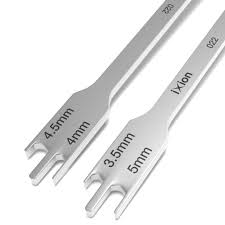
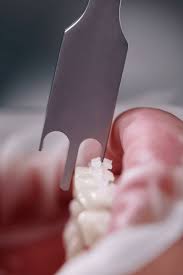
1. Bracket Positioning Gauge
“Accurate bracket placement is the foundation of successful orthodontics,” explains Dr. [Name]. “The positioning gauge helps me ensure each bracket is placed at the ideal height and angulation. Even a millimeter off can alter the treatment plan significantly.”
Why it’s a favorite:
- Ensures precision in tooth movement
- Reduces the need for repositioning later
- Improves treatment efficiency
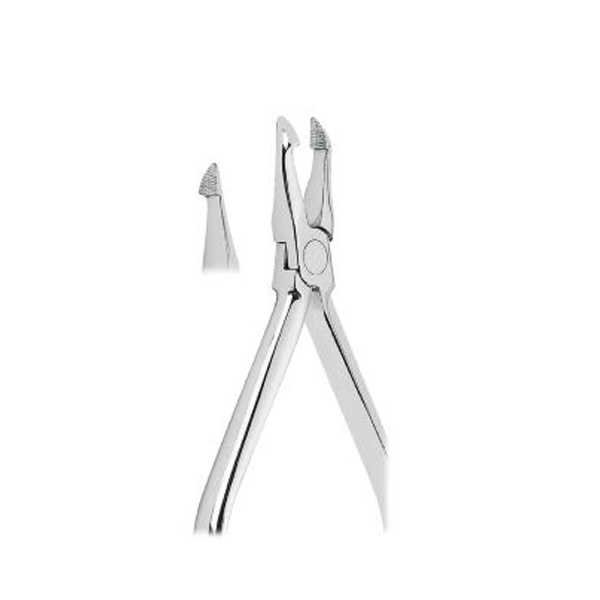
2. Weingart Pliers
“These are my ‘extension of the hand,’” Dr. [Name] laughs. “I rely on Weingart pliers daily to place and remove archwires with control and ease.”
Why it’s a favorite:
- Comfortable grip for both orthodontist and patient
- Versatile use in wire handling
- Enhances safety during wire placement
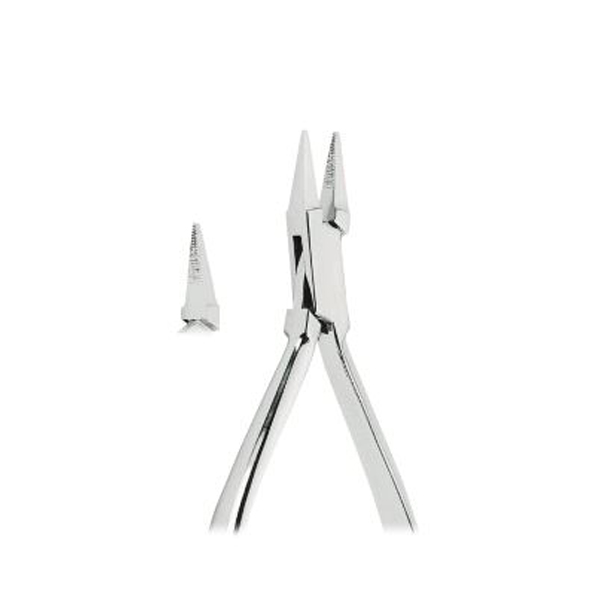
3. Distal End Cutter with Safety Hold
“When cutting wires, safety is everything. I don’t want sharp ends poking my patients,” Dr. [Name] emphasizes.
Why it’s a favorite:
- Holds cut wire ends securely
- Prevents patient injury
- Provides smooth finishing during adjustments
4. Elastomeric Separators
“Simple but effective. They create just the right amount of space before band placement,” notes Dr. [Name].
Why it’s a favorite:
- Quick to apply
- Comfortable for patients compared to metal separators
- Saves chairside time
5. Digital Scanners
“Technology has changed orthodontics. My scanner has replaced traditional impressions in most cases—it’s faster, cleaner, and more accurate.”
Why it’s a favorite:
- Enhances patient comfort (no messy impressions)
- Provides precise 3D imaging for treatment planning
- Streamlines workflows for aligners and appliances
Final Thoughts from the Orthodontist
“Every orthodontist develops their own toolkit of favorites over time. For me, the key is efficiency, precision, and patient comfort. The tools I use daily are the ones that help me deliver predictable results with the least stress for my patients.”
Conclusion
Orthodontists rely on a variety of instruments, but personal preferences often shape which tools are used most frequently. From traditional pliers to cutting-edge scanners, the common thread is clear: the best tools are those that combine accuracy with patient comfort.
Whether you’re an orthodontist building your toolkit or a patient curious about the process, understanding these tools offers valuable insight into the art and science of orthodontics.