
Q&A: What Instruments Do Orthodontic Students Need? – Orthodontic Student Kit
Starting out in orthodontics can feel overwhelming—especially when it comes to assembling the right toolkit. Orthodontic students often ask: Which instruments are essential? What should I buy first? And how do I avoid overspending on tools I may not need right away?
In this Q&A, we’ll cover the most common questions students have about orthodontic instruments and what typically goes into an orthodontic student kit.
Q1: What are the basic instruments every orthodontic student should have?
At the very least, students need tools that cover bracket placement, archwire adjustment, and ligation. A starter orthodontic student kit usually includes:
- Bracket placing tweezers – for accurate positioning of brackets.
- Weingart pliers – versatile plier for handling archwires.
- Ligature cutters – to snip excess ligature wire cleanly.
- Distal end cutters – for trimming archwire ends safely.
- Mathieu needle holder – for tying ligatures and elastics.
- Explorer and scaler – for checking bracket positioning and removing adhesive.
Q2: Do I need multiple pliers or just a few basics?
Many kits come with a variety of pliers,
but you don’t need every type right away. Essentials include:
- Howe pliers
- (110 pliers) for general wire handling
- Bird beak pliers for bending light wires
- Weingart utility pliers for placing and removing wires
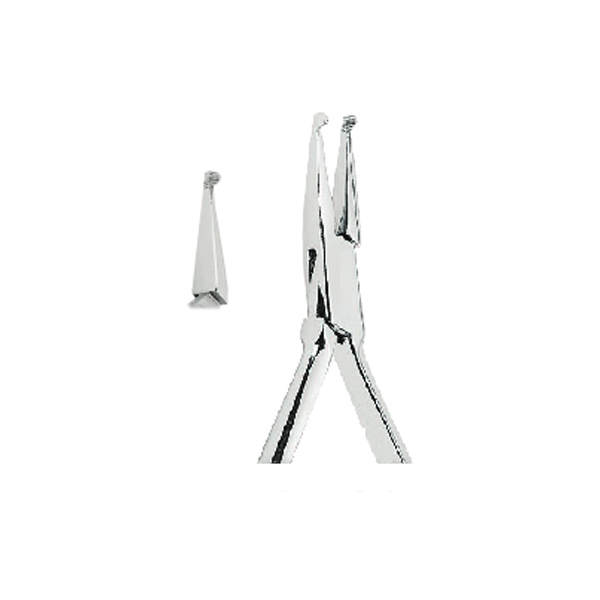
Advanced tools like loop-forming pliers or three-prong pliers can be purchased later as your training progresses.
Q3: Are there any disposable or consumable items in a student kit?
Yes. In addition to instruments, you’ll likely need:
- Elastomeric ligatures
- Elastic chains
- Separators
- Ligature wires
- Wax (for patient comfort during practice)
These aren’t always included in basic kits, but they’re useful for clinical exercises and simulation practice.
Q4: Should I invest in high-end instruments as a student?
Not necessarily. While premium brands last longer, students can start with mid-range stainless steel instruments that balance cost and durability. Focus on buying reliable, rust-resistant tools that can withstand sterilization cycles. Later in your career, you can upgrade to specialized or premium instruments.
Q5: What’s the difference between an orthodontic student kit and a professional kit?
- Student kits: Contain the core essentials for learning procedures and practicing wire work. They are more affordable and cover basic functions.
- Professional kits: Include a wider range of pliers, cutters, gauges, and specialty tools for treating patients in real-world clinical settings.
Q6: Where can orthodontic students purchase their kits?
Most dental schools recommend suppliers or provide official student packages. Reliable dental instrument companies, orthodontic supply stores, and even school bookshops often stock student kits. Buying through recommended vendors ensures you meet course requirements.
Conclusion
An orthodontic student kit doesn’t need to be overwhelming or expensive—it should simply cover the essentials: pliers, cutters, tweezers, and a few consumables. As you progress, you’ll naturally expand your toolkit to match your clinical needs.
Starting with the right instruments helps you build confidence and skill, ensuring that when you step into practice, you’re already comfortable with the tools of the trade.