
Training Dental Assistants on Orthodontic Tools – Orthodontic Assistant Training Tools
When it comes to training dental assistants on orthodontic tools, the right resources make all the difference. By integrating orthodontic assistant training tools into daily learning, dental practices ensure that assistants gain both confidence and accuracy in handling orthodontic procedures. With structured guidance, dental teams can improve efficiency while enhancing patient care.
Why Training on Orthodontic Tools Matters
Dental assistants play a vital role in orthodontic treatments. They handle instruments, prepare patients, and support orthodontists during procedures. Without proper training, mistakes can slow down treatments and affect patient comfort. Therefore, consistent training not only boosts skill but also builds professional credibility.
Essential Orthodontic Assistant Training Tools
To achieve excellence, training programs should combine hands-on practice with digital learning. The following tools are essential:
- Typodont models – Allow assistants to practice placing brackets, bands, and wires.
- Simulation software – Provides a safe, interactive space to learn step-by-step procedures.
- Orthodontic kits – Include mirrors, pliers, ligature directors, and band pushers for practical skill development.
- Video demonstrations – Offer visual guidance and repetition for mastering techniques.
- Checklists and guides – Ensure assistants follow protocols consistently.
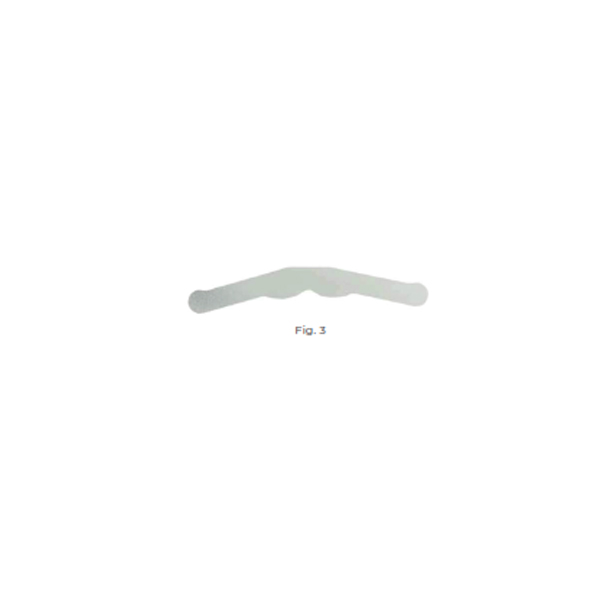
By using these tools, dental assistants not only learn quickly but also apply their skills in real clinical settings with ease.
Transitioning from Training to Practice
After training, supervised clinical experience is essential. With direct mentorship, assistants can bridge the gap between theory and practice. Moreover, using orthodontic training tools in real scenarios reinforces memory and sharpens technical ability. This approach guarantees smoother orthodontic procedures and greater patient satisfaction.
Building Long-Term Confidence
Continuous education ensures that dental assistants stay updated with new tools and orthodontic innovations. Encouraging regular workshops and refresher courses keeps their skills sharp. As a result, practices benefit from higher efficiency, while patients enjoy more comfortable and accurate treatments.