
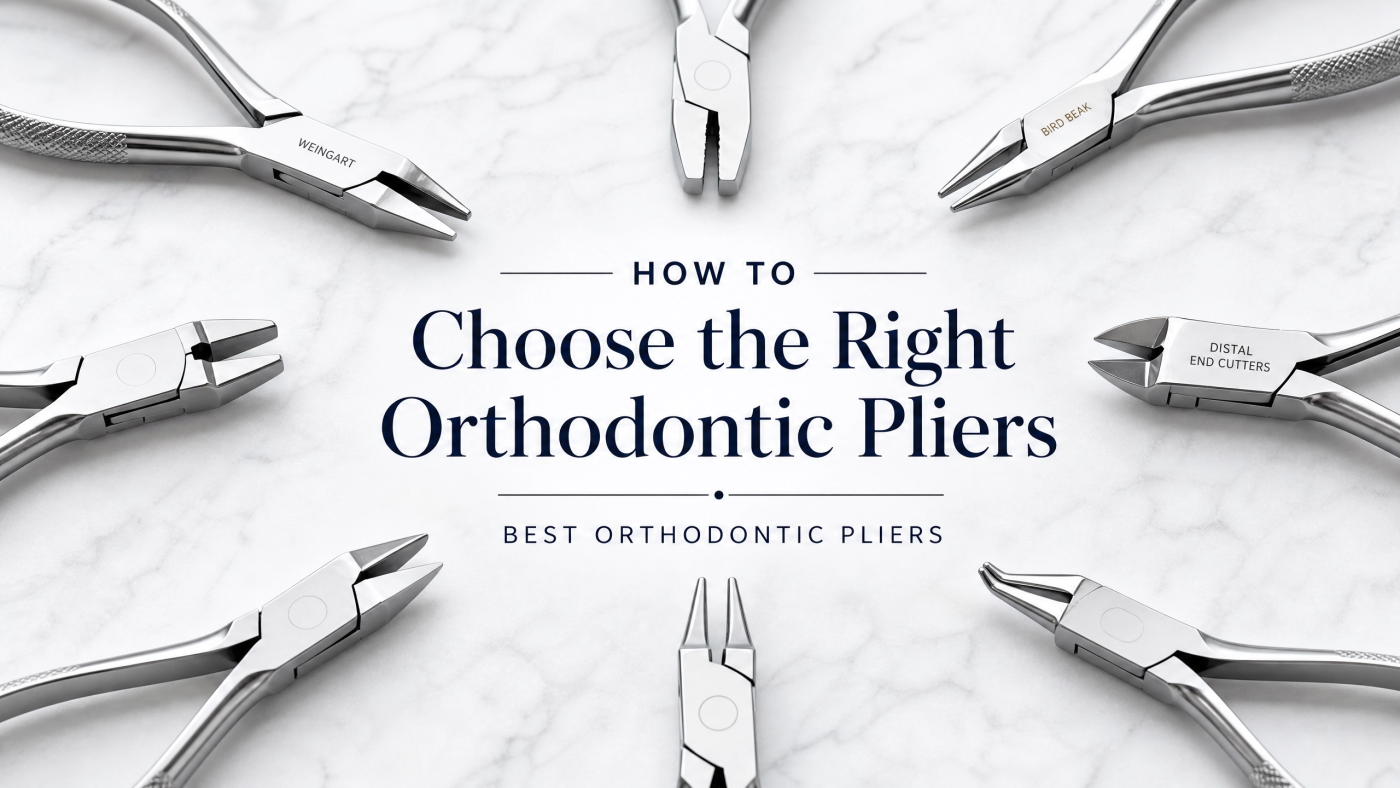
Choosing the best orthodontic pliers is one of the most important decisions an orthodontist, dentist, or dental professional can make. These precision instruments are essential for bending, cutting, gripping, placing, and adjusting orthodontic wires and appliances throughout treatment. The right pliers not only improve clinical efficiency but also enhance treatment accuracy and patient comfort.
Moreover, high-quality orthodontic pliers help reduce chair time, improve handling, and ensure predictable treatment outcomes. Whether you are opening a new orthodontic practice, replacing worn instruments, or expanding your instrument kit, understanding the different types of orthodontic pliers is crucial. This guide explains their uses, key features, buying considerations, and maintenance tips to help you invest in instruments that deliver long-term performance.
What Are Orthodontic Pliers?
Orthodontic pliers are specialized dental instruments designed for manipulating orthodontic wires, brackets, bands, ligatures, and other orthodontic appliances. Unlike general dental forceps, they feature precisely engineered jaws that perform specific orthodontic tasks with exceptional accuracy.
These instruments are commonly used for:
- Wire bending
- Wire cutting
- Bracket placement
- Bracket removal
- Loop formation
- Archwire adjustment
- Ligature placement
- Appliance activation
- Band contouring
- Crimping stops
As a result, orthodontic pliers have become indispensable tools in modern orthodontic practices.
Why Choosing the Right Orthodontic Pliers Matters
Selecting the appropriate orthodontic pliers directly affects treatment quality, efficiency, and instrument longevity.
Improved Clinical Precision
Properly designed jaws allow clinicians to manipulate wires accurately without damaging the material. Consequently, tooth movement becomes more predictable.
Enhanced Patient Comfort
Well-designed pliers require less force during adjustments. Therefore, patients experience less discomfort during appointments.
Greater Efficiency
Using the correct instrument for each procedure reduces unnecessary movements and shortens chair time. In addition, clinicians can complete procedures more confidently.
Long-Term Durability
Premium stainless steel orthodontic pliers maintain their alignment and cutting performance even after repeated sterilization cycles. As a result, replacement costs remain lower over time.
Better Treatment Outcomes
Ultimately, precise instruments contribute to improved appliance performance, accurate adjustments, and successful orthodontic treatment.
Types of Orthodontic Pliers
Every orthodontic procedure requires a specific instrument. Therefore, understanding the different types of orthodontic pliers helps clinicians choose the best tools for their daily practice.
1. Bird Beak Orthodontic Pliers
Bird Beak pliers are among the most versatile orthodontic instruments available.
Common Uses
- Bending archwires
- Creating loops
- Fabricating springs
- Wire adjustments
- Appliance construction
Advantages
- One conical beak and one flat beak
- Excellent wire control
- Accurate loop formation
- Suitable for stainless steel and nickel-titanium wires
Because of their versatility, Bird Beak pliers are considered essential in every orthodontic instrument kit.
2. Weingart Utility Pliers
Weingart pliers are specifically designed for gripping and guiding orthodontic wires.
Ideal Applications
- Archwire insertion
- Wire removal
- Appliance adjustment
- Ligature placement
Key Benefits
- Serrated tips for improved grip
- Slim profile for better access
- Strong holding capability
- Excellent control in posterior areas
Furthermore, their ergonomic design reduces hand fatigue during extended procedures.
3. Distal End Cutters
Distal End Cutters safely trim excess archwire after placement.
Features
- Precision cutting blades
- Safety hold mechanism
- Flush cutting capability
- Reduced risk of loose wire fragments
Consequently, these pliers improve both clinician safety and patient comfort.
4. Ligature Cutters
Ligature Cutters are designed specifically for cutting fine orthodontic wires.
They are commonly used for:
- Ligature wires
- Soft wires
- Fine orthodontic wires
Additionally, sharp cutting edges produce clean cuts while preventing wire distortion.
5. Bracket Removing Pliers
Bracket removal requires controlled force to avoid enamel damage.
These pliers feature specially engineered jaws that:
- Securely grip orthodontic brackets
- Reduce bracket fracture
- Protect enamel surfaces
- Improve patient comfort during debonding
As a result, clinicians can remove brackets safely and efficiently.
6. Band Removing Pliers
Band Removing Pliers simplify the removal of orthodontic bands after treatment.
Most models include:
- Protective plastic pads
- Comfortable leverage
- Controlled force application
- Stable grip
Therefore, they minimize trauma to surrounding tissues.
7. Loop Forming Pliers
Loop Forming Pliers are ideal for creating consistent wire loops.
They are commonly used to fabricate:
- Closing loops
- Helical loops
- Utility loops
- Activation loops
In addition, they reduce wire fatigue and improve appliance consistency.
8. Three-Prong Pliers
Three-Prong Pliers provide excellent control when adjusting orthodontic appliances.
They are suitable for:
- Appliance contouring
- Minor wire corrections
- Wire bending
- Appliance adjustments
Because they distribute force evenly, they produce highly accurate bends.
9. Torque Forming Pliers
Torque Forming Pliers introduce controlled torque into rectangular archwires.
Their primary advantages include:
- Precise torque application
- Better appliance control
- Reduced wire distortion
- Improved treatment precision
Accordingly, they are widely used during advanced orthodontic procedures.
10. Mathieu Ligature Pliers
Mathieu Ligature Pliers feature a spring-loaded handle that improves handling.
These instruments are commonly used for:
- Elastic ligatures
- Power chains
- Elastic separators
- Ligature wire placement
Furthermore, their design increases efficiency while reducing operator fatigue.
Key Factors to Consider When Choosing the Best Orthodontic Pliers
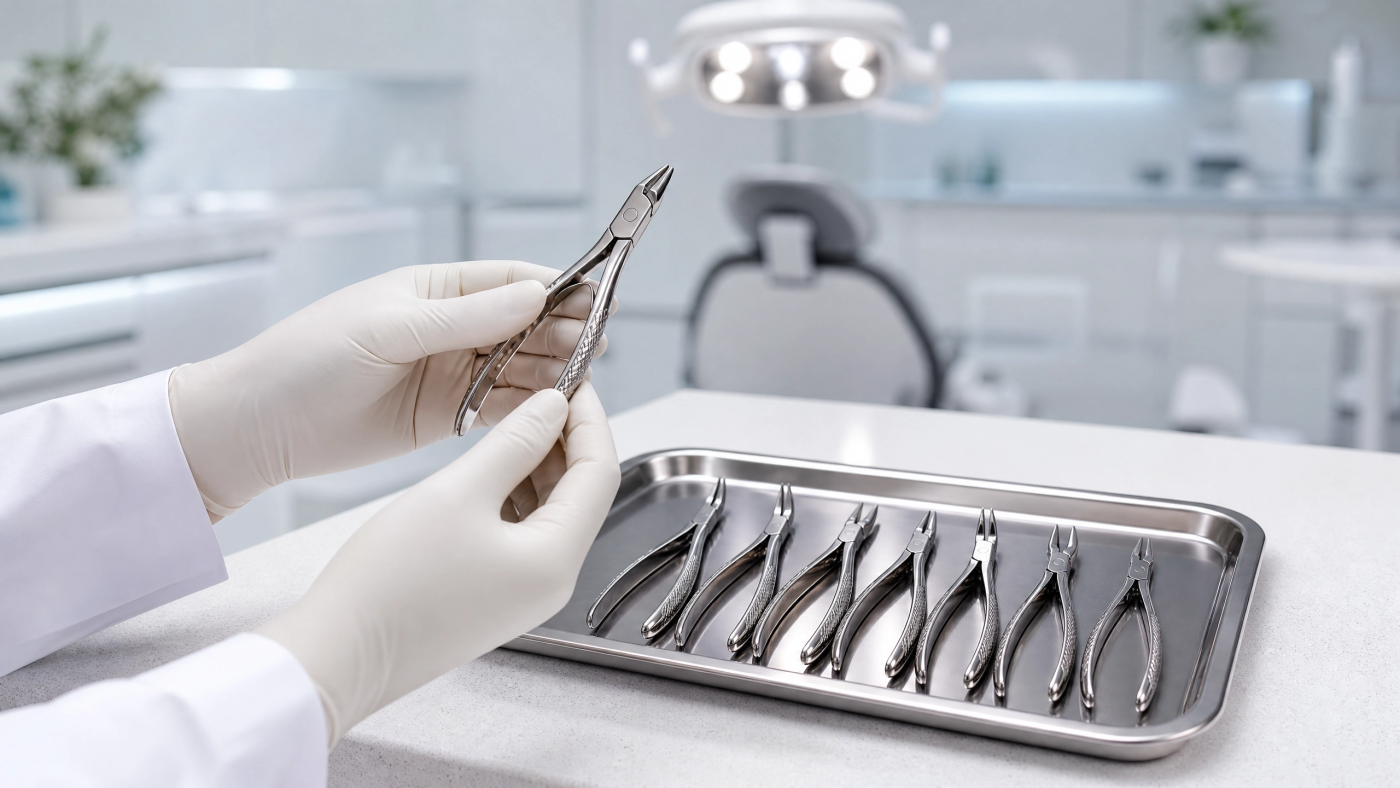
1. Material Quality
First and foremost, choose manufactured from premium surgical stainless steel.
Quality materials provide:
- Excellent corrosion resistance
- Longer service life
- Reliable sterilization compatibility
- Superior durability
Consequently, the instruments maintain their performance even after years of daily use.
2. Precision Manufacturing
Manufacturing quality directly affects clinical accuracy.
Look for pliers with:
- Perfect jaw alignment
- Smooth hinge movement
- Accurate tip closure
- Consistent cutting performance
Otherwise, poorly aligned instruments may compromise treatment precision.
3. Ergonomic Design
Comfort is equally important when selecting orthodontic pliers.
Choose instruments with:
- Balanced weight
- Comfortable finger rings
- Non-slip handles
- Smooth operating action
As a result, hand fatigue decreases during lengthy procedures.
4. Cutting Performance
High-quality cutting pliers should provide:
- Clean cuts
- Durable carbide inserts
- Long-lasting sharpness
- Minimal wire deformation
Therefore, clinicians can work efficiently without damaging orthodontic wires.
5. Intended Clinical Application
Each orthodontic plier is designed for a specific purpose.
Instead of relying on general-purpose instruments, invest in dedicated pliers for bending, cutting, gripping, and removing appliances. This approach improves both precision and workflow.
6. Sterilization Compatibility
Tolerate repeated sterilization without losing performance.
Ideally, they should withstand:
- Steam autoclaving
- Chemical disinfection
- High-temperature sterilization
Consequently, practices can maintain strict infection control standards.
7. Manufacturer Reputation
Finally, purchase instruments from trusted manufacturers known for:
- Consistent quality
- Precision engineering
- Warranty support
- Reliable customer service
Although premium instruments may cost more initially, they typically offer greater value over time.
Essential Orthodontic Pliers Every Clinic Should Own
A well-equipped orthodontic clinic should include:
- Bird Beak Pliers
- Weingart Utility Pliers
- Distal End Cutters
- Ligature Cutters
- Bracket Removing Pliers
- Band Removing Pliers
- Mathieu Ligature Pliers
- Three-Prong Pliers
- Loop Forming Pliers
- Torque Forming Pliers
Together, these instruments support virtually every routine orthodontic procedure.
Common Mistakes When Buying Orthodontic Pliers
Many clinicians unintentionally purchase instruments based solely on price. However, focusing only on cost can reduce long-term value.
Common mistakes include:
- Choosing low-grade stainless steel
- Ignoring jaw alignment
- Buying poor-quality cutting pliers
- Purchasing duplicate instruments unnecessarily
- Overlooking ergonomic comfort
- Ignoring sterilization compatibility
- Buying from unreliable suppliers
Instead, prioritize quality, durability, and clinical performance.
How to Maintain Orthodontic Pliers
Proper maintenance significantly extends instrument lifespan.
Clean After Every Procedure
Remove blood, debris, and contaminants immediately after use.
Use Ultrasonic Cleaning
Ultrasonic cleaners effectively remove residue from difficult-to-reach areas.
Lubricate Hinges
Regular lubrication keeps joints operating smoothly and prevents stiffness.
Sterilize Correctly
Always follow the manufacturer’s recommended sterilization procedures.
Inspect Regularly
Check instruments for:
- Loose hinges
- Dull cutting edges
- Jaw misalignment
- Surface corrosion
- Tip damage
Store Properly
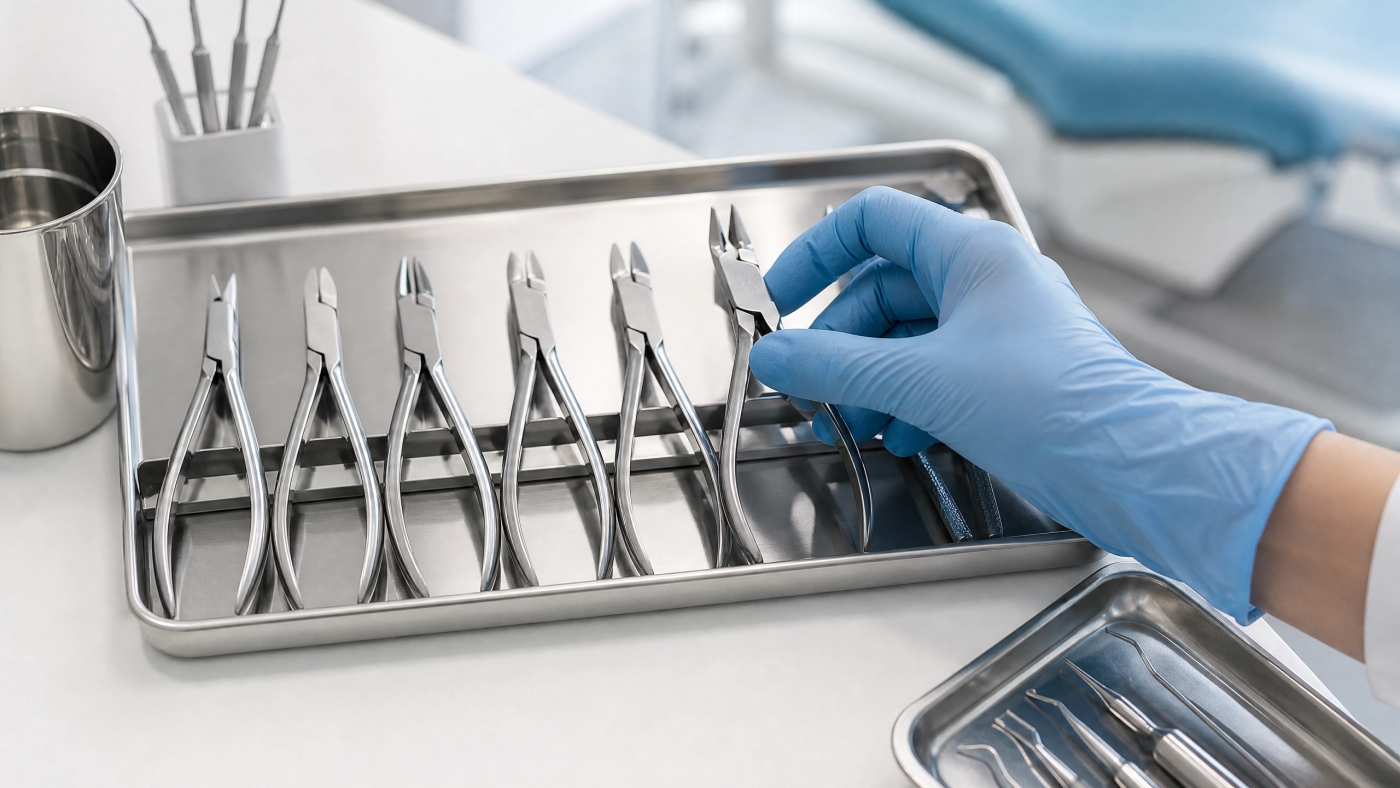
Finally, store orthodontic pliers in sterilization cassettes or protective trays to prevent accidental damage.
Signs It’s Time to Replace Orthodontic Pliers
Even premium instruments eventually wear out.
Replace orthodontic pliers if you notice:
- Dull cutting edges
- Misaligned jaws
- Excessive hinge movement
- Rust formation
- Damaged tips
- Reduced gripping ability
- Cracked carbide inserts
- Wire slipping during use
Prompt replacement helps maintain treatment quality and patient safe.
Conclusion
Choosing the best orthodontic pliers is about much more than purchasing another dental instrument. Instead, it is an investment in clinical precision, treatment efficiency, and patient satisfaction. By selecting high-quality stainless steel instruments with excellent ergonomics, precise jaw alignment, and reliable cutting performance, clinicians can perform procedures with greater confidence and consistency.
Moreover, maintaining through proper cleaning, lubrication, inspection, and sterilization ensures they continue to deliver dependable performance for years. Whether you are building a new orthodontic practice or upgrading your existing instrument collection, investing in the right will improve workflow, support better treatment outcomes, and provide lasting value for your practice.
Frequently Asked Questions
What are the best orthodontic pliers for beginners?
Bird Beak Pliers, Weingart Utility Pliers, Distal End Cutters, and Ligature Cutters provide an excellent foundation because they cover most routine orthodontic procedures.
Which orthodontic pliers are best for bending wires?
Bird Beak Pliers, Three-Prong Pliers, and Loop Forming Pliers are specifically designed for precise wire bending and loop fabrication.
How long do orthodontic pliers last?
With proper cleaning, lubrication, and sterilization, premium stainless steel can last for many years. Nevertheless, lifespan depends on usage frequency and maintenance.
Are carbide cutters worth the investment?
Yes. Carbide inserts remain sharper for longer periods and provide superior cutting performance, especially when used frequently.
Can orthodontic pliers be autoclaved?
Yes. Most high-quality manufactured from surgical-grade stainless steel are designed to withstand repeated autoclave sterilization without affecting their precision.