
Bird beak pliers in orthodontics rank among the most-used instruments on an orthodontist’s tray. Clinicians reach for them constantly. These specialized pliers bend, contour, and loop archwires with real precision. You’ll use them when placing braces, adjusting an archwire, or building a removable appliance. Understanding how this instrument works and how to pick a reliable pair makes a real difference in daily practice.
What Are Bird Beak Pliers?
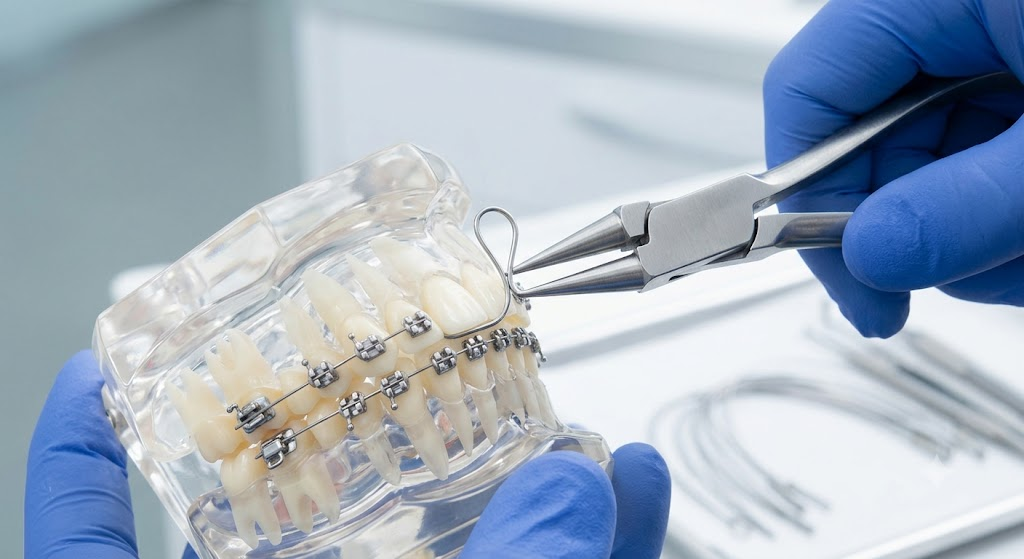
Bird beak orthodontic pliers take their name from their jaw shape. One beak is round and tapered. The other is flat or cone-shaped. This asymmetric design serves a clear purpose. The round beak forms smooth, controlled loops. The flat beak holds the wire steady during the bend.
Manufacturers typically build these pliers from surgical-grade stainless steel. This material offers strength, corrosion resistance, and long-term durability through repeated sterilization. Some premium versions add tungsten carbide inserts to the tips. These inserts extend the instrument’s working life under heavy daily use.
Function: How Bird Beak Pliers Work
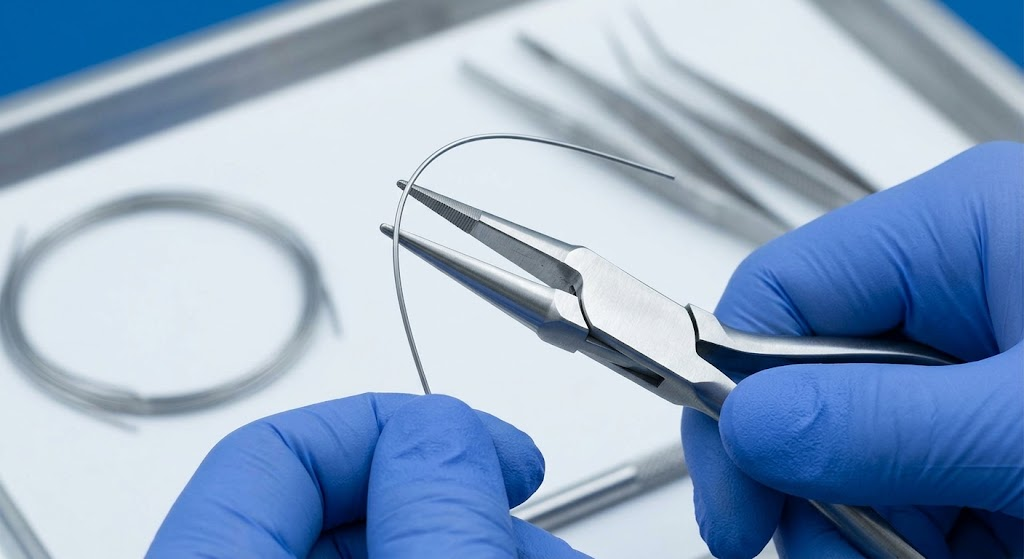
This instrument combines two different jaw shapes in one tool. When the clinician squeezes the handles, the round beak acts as a forming mandrel. Meanwhile, the flat or cone-shaped beak applies opposing pressure to hold the wire steady. Together, they allow controlled bends without scoring the wire’s surface. This detail matters. Surface damage creates a stress point, and that stress point can lead to wire fracture later in treatment.
Today’s archwires come in several materials: stainless steel, nickel-titanium (NiTi), and beta-titanium. Each material behaves differently under pressure. The instrument needs to accommodate this range of stiffness and elasticity. NiTi wires present a particular challenge because they’re superelastic and resist permanent deformation. Bending them accurately requires a firm, stable grip. Otherwise, the wire simply springs back before you achieve the desired shape.
Getting a clean, lasting bend also depends on the wire itself. Peer-reviewed testing of orthodontic wire behavior shows that different alloys respond differently under bending versus tension forces. This is part of why instrument grip and control matter so much when shaping stiffer or more elastic wires.
Common Clinical Uses in Orthodontics
Bird beak pliers in Orthodontics appear across nearly every stage of orthodontic treatment.
Archwire Adjustment
Clinicians use this instrument to place fine bends in the archwire during routine visits. This fine-tunes tooth movement without replacing the entire wire.
Loop and Spring Formation
The round beak works well for forming loops, springs, and retention bends. Both fixed appliances and certain removable devices commonly need these features.
Removable Appliance Fabrication
In the lab or chairside, this plier shapes the wire components of retainers and other removable appliances. Precise, repeatable bends directly affect how well these appliances fit.
Distal End and Finishing Bends
Near the end of treatment, orthodontists often place finishing bends at the archwire’s distal end. This secures the wire and helps prevent irritation to the patient’s soft tissue. Instrument design has evolved to address exactly this challenge. Published research on distal-end wire bending techniques highlights how specialized plier designs place effective bends in superelastic wires. This avoids the annealing or overtwisting that traditionally risked fracturing bondable attachments.
Buying Guide: What to Look For
Keep these factors in mind when purchasing bird beak orthodontic pliers.
Beak Length and Tip Shape
Longer, tapered beaks reach tight or posterior areas more easily. Shorter beaks often suit anterior work better. Base your choice on the cases your practice handles most.
Material and Insert Type
Surgical stainless steel remains the standard choice. However, tungsten carbide-inserted tips offer extended durability for high-volume practices. They resist wear from repeated wire contact far better than plain steel.
Wire Capacity
Check the manufacturer’s stated maximum wire gauge. Most standard bird beak pliers handle wires up to around .028 inches, though this varies by model.
Sterilization Compatibility
Confirm the instrument is fully autoclavable. Orthodontic pliers go through frequent sterilization cycles between patients.
Supplier Reliability
Buy from a manufacturer with proper quality certifications, such as FDA, CE, or ISO compliance. Don’t choose on price alone. Inconsistent jaw alignment can compromise bend accuracy over time.
Wire bending remains one of the most technically demanding parts of orthodontic treatment. A literature review on archwire shaping techniques notes that manual bending has traditionally required significant time, precision, and specialized training. The wire’s inherent stiffness and superelasticity make this process genuinely difficult to master.
Final Thoughts
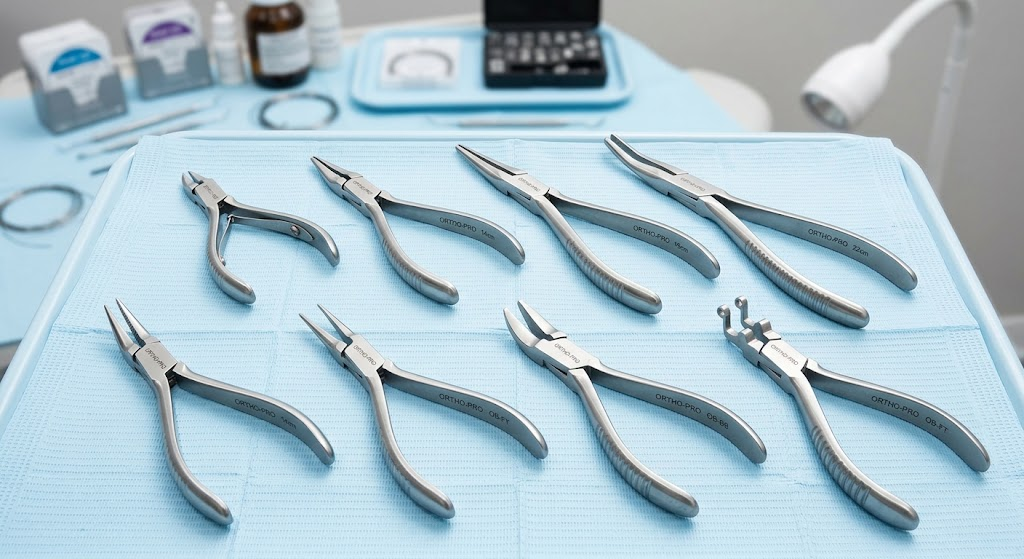
Bird beak pliers remain a cornerstone instrument in orthodontic practice. They deliver controlled, repeatable wire bends across nearly every stage of treatment. Choose the right pair for your case mix, wire materials, and sterilization routine. This choice helps ensure consistent results chairside, procedure after procedure.
Choosing the right pair for your case mix, wire materials, and sterilization routine matters. Explore our bird beak plier option to find the right fit of your practice.
FAQ
What are bird beak pliers used for in orthodontics?
Bird beak pliers bend, contour, and shape orthodontic archwires. Clinicians use them to form loops, springs, and precise bends during braces placement, routine adjustments, and appliance fabrication.
How are bird beak pliers different from Weingart pliers?
Bird beak pliers form and bend wires, thanks to their round-and-flat beak combination. Weingart pliers, by contrast, mainly grip, guide, and insert or remove archwires. The two instruments serve different steps in the same workflow.
What wire sizes can bird beak pliers handle?
Most standard bird beak pliers bend wires up to approximately .028 inches. Heavier-duty versions with reinforced beaks may handle larger gauges. Always check the specific product’s stated capacity before use.
Can bird beak pliers be used on NiTi wires?
Yes, clinicians commonly use bird beak pliers on stainless steel, nickel-titanium, and beta-titanium wires. NiTi requires a firmer, more controlled grip, though, since it’s superelastic and resists a lasting bend more than stainless steel does.
How long do bird beak pliers typically last?
With proper care and sterilization, surgical stainless steel bird beak pliers can last several years. Versions with tungsten carbide inserts tend to hold their precision longer under frequent, high-volume use.