Endodontic Instrument Use for Beginners – A Guide to Beginner Endodontic Tools
When you’re just starting out in endodontics, the range of instruments can feel overwhelming. From explorers and files to obturation systems, every tool plays a critical role in the success of root canal treatment. Understanding how and when to use each instrument helps build confidence, precision, and better patient outcomes.
In this beginner’s guide, we’ll walk through the essential endodontic instruments, their purposes, and some practical tips for beginners learning to use them.
1. Endodontic Diagnostic Tools
Before any treatment begins, accurate diagnosis is key. These instruments help you locate canals, determine working length, and assess tooth vitality.
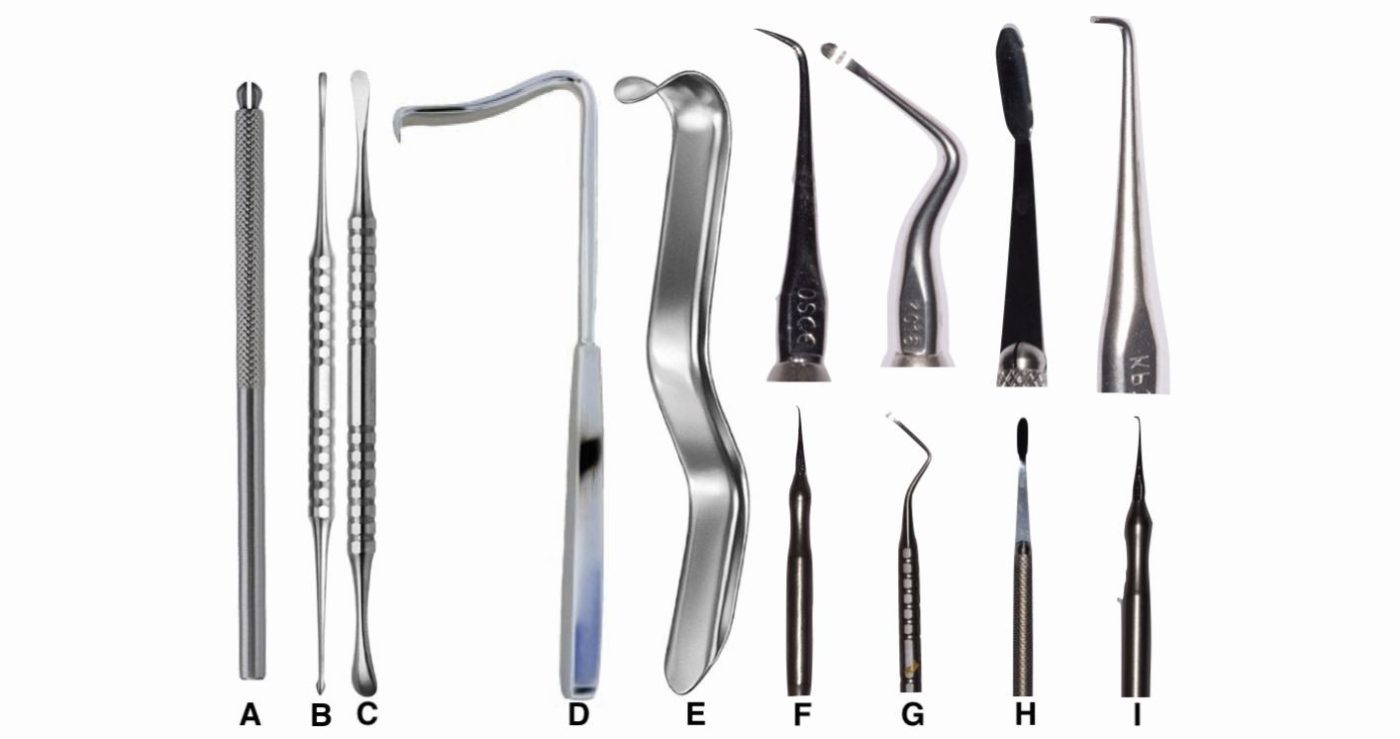
- Endodontic Explorer (DG16):
A double-ended, fine-tipped instrument used to locate canal orifices on the pulp chamber floor. It’s one of the first tools every endodontic beginner should master. - Endodontic Spoon Excavator:
Used to remove pulp tissue and debris from the pulp chamber before instrumentation. - Endodontic Ruler and Rubber Stopper:
These help measure the length of files accurately to avoid over- or under-instrumentation.
2. Endodontic Access and Canal Preparation Tools
Once diagnosis is complete, the next step is to gain access and clean the canals.
- Endodontic Burs (Round & Endo Access Burs):
Used with a handpiece to open the pulp chamber and create straight-line access to the canals. - K-Files and H-Files:
These are fundamental in shaping and cleaning the canal system.- K-Files: Tightly twisted instruments for initial canal negotiation and scouting.
- H-Files: More aggressive and efficient in cutting dentin during canal shaping.
- Reamers:
Used to enlarge canals in a rotational motion. They remove dentin less aggressively than H-Files, making them ideal for initial preparation. - Nickel-Titanium (NiTi) Rotary Files:
Advanced beginners may move on to NiTi rotary systems. They’re flexible, efficient, and reduce procedural errors when used with an endodontic motor.
3. Irrigation Instruments
Cleaning the canal involves more than mechanical shaping—it requires effective irrigation to remove debris and bacteria.
- Endodontic Syringe and Side-Vent Needles:
Used to deliver irrigants like sodium hypochlorite safely into the canal without extruding beyond the apex. - Ultrasonic or Sonic Activation Devices (optional for beginners):
These enhance the cleaning ability of irrigants and are useful as you gain experience.
4. Drying and Obturation Tools
After cleaning and shaping, the canals must be dried and sealed to prevent reinfection.
- Paper Points:
Absorb moisture and dry the canal before obturation. - Gutta-Percha Points:
The main filling material used to seal the cleaned canal. - Endodontic Spreaders and Pluggers:
Used during lateral and vertical condensation techniques to compact gutta-percha. - Obturation Devices:
Beginners often start with hand condensation but can progress to warm vertical compaction or thermoplastic obturation systems for better sealing.
5. Measuring and Working Length Devices
- Apex Locator:
A digital device that determines the precise working length electronically, reducing reliance on radiographs and improving accuracy.
Practical Tips for Beginners
- Always start with manual instrumentation before transitioning to rotary systems.
- Use rubber dam isolation for safety and better visibility.
- Maintain proper irrigation and lubrication to prevent file separation.
- Practice canal scouting on extracted teeth to understand canal anatomy.
- Keep instruments organized and replace worn-out files regularly.
Final Thoughts
Mastering endodontic instruments is a gradual process that blends theoretical understanding with hands-on experience. By familiarizing yourself with these beginner tools and their uses, you’ll build a solid foundation for efficient, predictable, and successful root canal treatments.
Whether you’re a dental student or a general dentist expanding your skills, investing time in learning proper endodontic instrument use will pay dividends in clinical confidence and patient satisfaction.