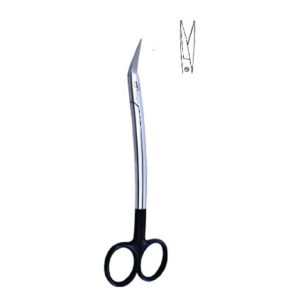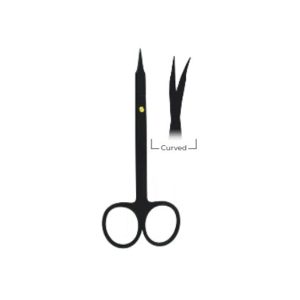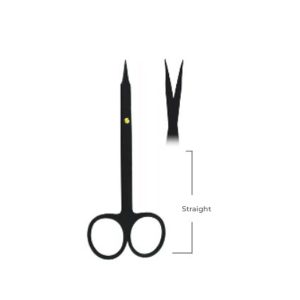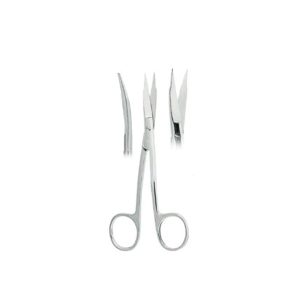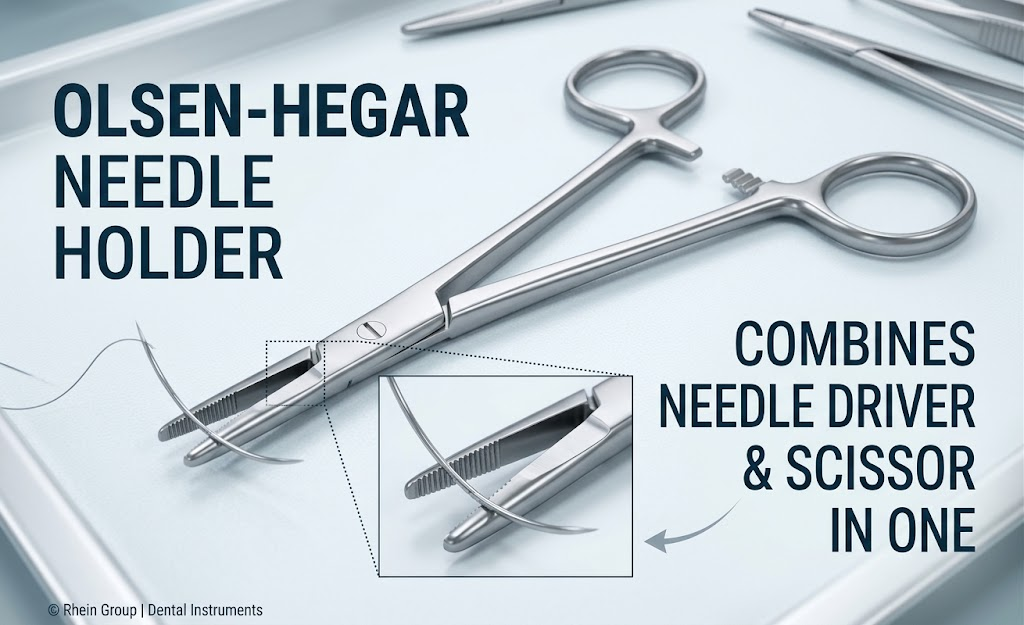
The Olsen-Hegar needle holder is a combination surgical instrument that merges a needle driver and suture scissors into a single tool. Surgeons rely on this instrument because it reduces the number of hand exchanges during a procedure, which in turn shortens operating time. Whether you’re a surgical resident learning instrument identification or a procurement officer sourcing OR supplies, understanding this instrument’s design, purpose, and buying considerations will help you make an informed choice.
Olsen-Hegar Needle Holder Description: What Makes It Unique
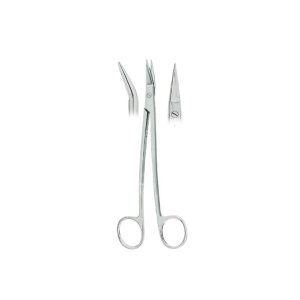
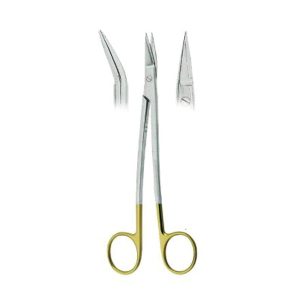
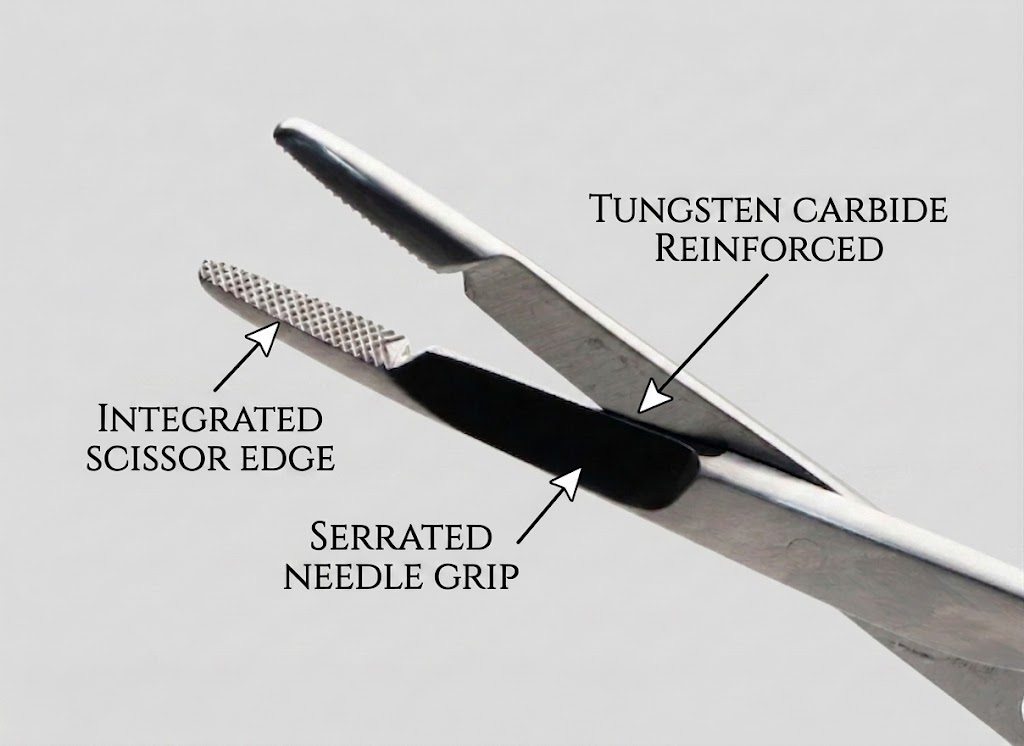
At first glance, the Olsen-Hegar forceps resemble a standard needle holder. However, a closer look at the jaw area reveals a built-in cutting edge positioned just behind the tungsten carbide inserts. This scissor-like notch is what distinguishes the Olsen-Hegar design from a conventional Mayo-Hegar needle holder, which lacks any cutting capability.
Most versions of this combination needle holder feature:
- Serrated or tungsten carbide-coated jaws for a secure needle grip
- An integrated cutting edge for trimming sutures without switching instruments
- A ratchet locking mechanism to hold the needle firmly during suturing
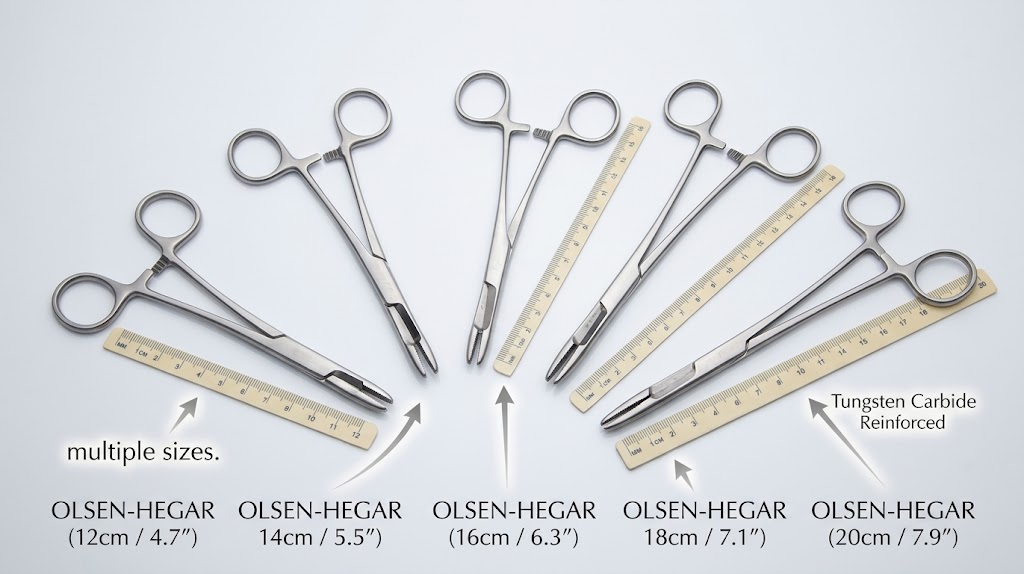
- Available lengths ranging from 5.5 inches for delicate work to 7-8 inches for general procedures
Because of this dual-purpose build, the instrument is sometimes referred to simply as a needle driver with scissors, though “Olsen-Hegar” remains the standard clinical term.
Olsen-Hegar Needle Holder Function: How the Instrument Works
Functionally, this suturing instrument performs two roles that would otherwise require two separate tools. First, the jaws grip and pass the suture needle through tissue, much like any standard needle driver. Second, once the stitch is placed, the surgeon can rotate the instrument slightly and use the built-in scissor blades to cut the suture thread eliminating the need to hand off to a scrub nurse for scissors.
This dual function matters most in time-sensitive procedures. For instance, during rapid suturing in trauma cases, every hand exchange adds seconds that accumulate into meaningful delays. Consequently, many surgical teams prefer this instrument specifically because it streamlines workflow without compromising suturing precision.
It’s worth noting, though, that the built-in scissor edge is generally suited for finer sutures rather than heavy-gauge material. Therefore, surgeons often keep a separate pair of suture scissors on hand for thicker threads, using the Olsen-Hegar mainly for its speed advantage on standard closures.
Common Uses of the Olsen-Hegar Needle Holder in Surgery
This instrument shows up across a wide range of clinical settings. Below are the most common applications.
General and Soft Tissue Surgery
Surgeons frequently use this needle driver for skin closures, subcutaneous suturing, and minor soft tissue repairs, where the ability to cut and suture in one motion speeds up routine closures.
Gynecologic and Obstetric Procedures
During episiotomy repairs and other gynecologic suturing tasks, the combination needle holder-scissor design is especially popular, as it minimizes instrument handling in confined surgical fields.
Veterinary Surgery
Veterinary surgeons also use the Olsen-Hegar forceps for spay/neuter procedures and wound closures in animals, valuing the same time-saving benefit seen in human surgery.
Outpatient and Minor Procedure Settings
In clinics and outpatient settings, where staffing may be limited, this dual-function suturing instrument allows a single provider to manage suturing and thread-cutting without an assisting nurse.
Across all these settings, the underlying advantage remains consistent: fewer instruments, fewer exchanges, and a faster path from needle insertion to knot completion.
How to Choose and Buy an Olsen-Hegar Needle Holder
If you’re ready to buy an Olsen-Hegar needle holder, a few factors will determine whether you get a durable, OR-ready instrument or one that dulls and loosens quickly.
Jaw Material
Look for tungsten carbide inserts rather than standard stainless steel jaws. Tungsten carbide holds a grip on the needle longer, resists wear from repeated sterilization cycles, and extends the instrument’s usable lifespan significantly compared to steel-only jaws.
Size and Length
Choose the length based on the procedure type. Shorter instruments (around 5.5 inches) suit fine, delicate suturing, while longer variants (7 inches and above) work better for general surgery where more reach is needed.
Certification and Sterilization Compatibility
Confirm the instrument is autoclave-safe and meets relevant medical device standards (such as ISO 13485 manufacturing compliance), since this affects both safety and longevity.
Supplier Reliability
Because this is a precision surgical instrument, purchasing from a reputable surgical instrument manufacturer or authorized medical supplier matters more than chasing the lowest price. A poorly manufactured needle holder can lose its ratchet tension or scissor sharpness within a handful of uses.
Final Thoughts
The Olsen-Hegar needle holder earns its place in the OR by solving a simple but persistent problem: too many instrument exchanges during suturing. Its built-in cutting function, combined with a secure tungsten carbide grip, makes it a practical choice across general surgery, gynecology, veterinary medicine, and outpatient care alike. Whether you’re studying its design for the first time or comparing suppliers before you buy, understanding both its function and its limitations will help you get the most value from this instrument.