
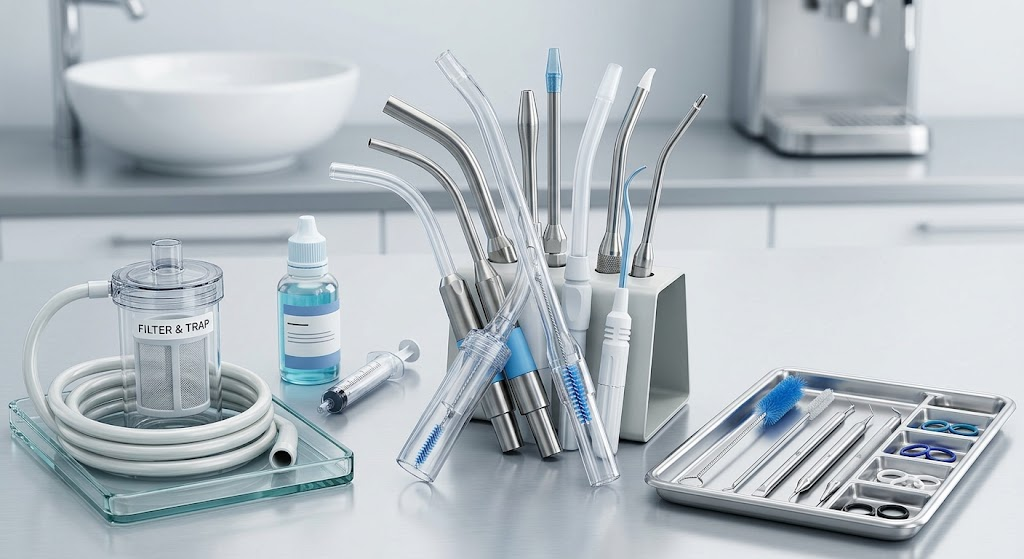
Introduction Suction tips are essential instruments in dental, surgical, and medical procedures, providing clear visibility and maintaining a clean working field by efficiently removing fluids, debris, and aerosols. Despite their simple appearance, suction tips require regular maintenance to ensure consistent vacuum performance and prevent costly interruptions during procedures (Suction Tip Maintenance). Poorly maintained suction systems […]
Tag Archives: #orthodontic
Dental Instruments Blog
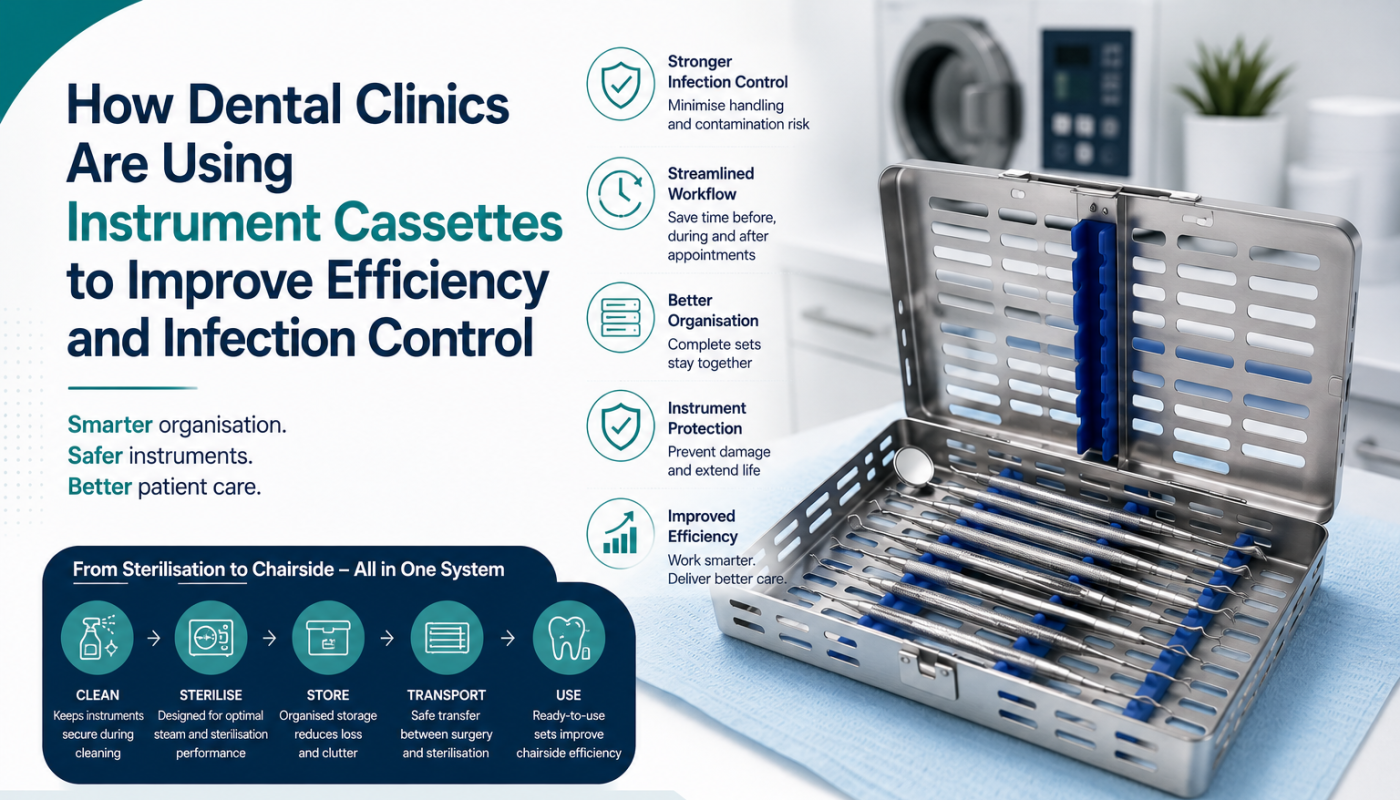
Instrument Cassette Systems and Color-Coded Tray Organization: Streamlining Sterilization Workflows in High-Volume Practices
05
Jun
Jun
Introduction Efficient instrument reprocessing is one of the most critical aspects of modern dental and surgical practice management. In high-volume clinics, where dozens of procedures are performed daily, maintaining instrument organization while ensuring compliance with infection control protocols can be challenging. Delays in instrument preparation, sterilization errors, and misplaced tools can negatively impact productivity, patient […]
Surgical Instruments Blog
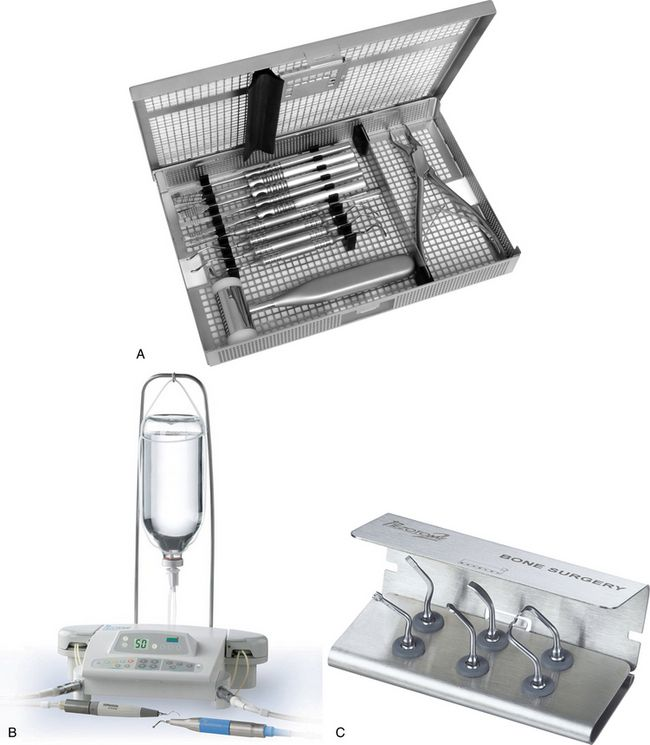
Bone Spreaders and Ridge Expanders: Sequential Technique for Narrow Ridge Expansion Without Membrane Perforation
03
Jun
Jun
Introduction Insufficient alveolar ridge width is a common challenge in dental implantology. When the ridge is too narrow to accommodate an implant, clinicians often turn to ridge expansion techniques to increase bone width while preserving existing bone volume. Bone spreaders and ridge expanders are valuable instruments that allow controlled expansion of narrow ridges without extensive […]
Surgical Instruments Blog
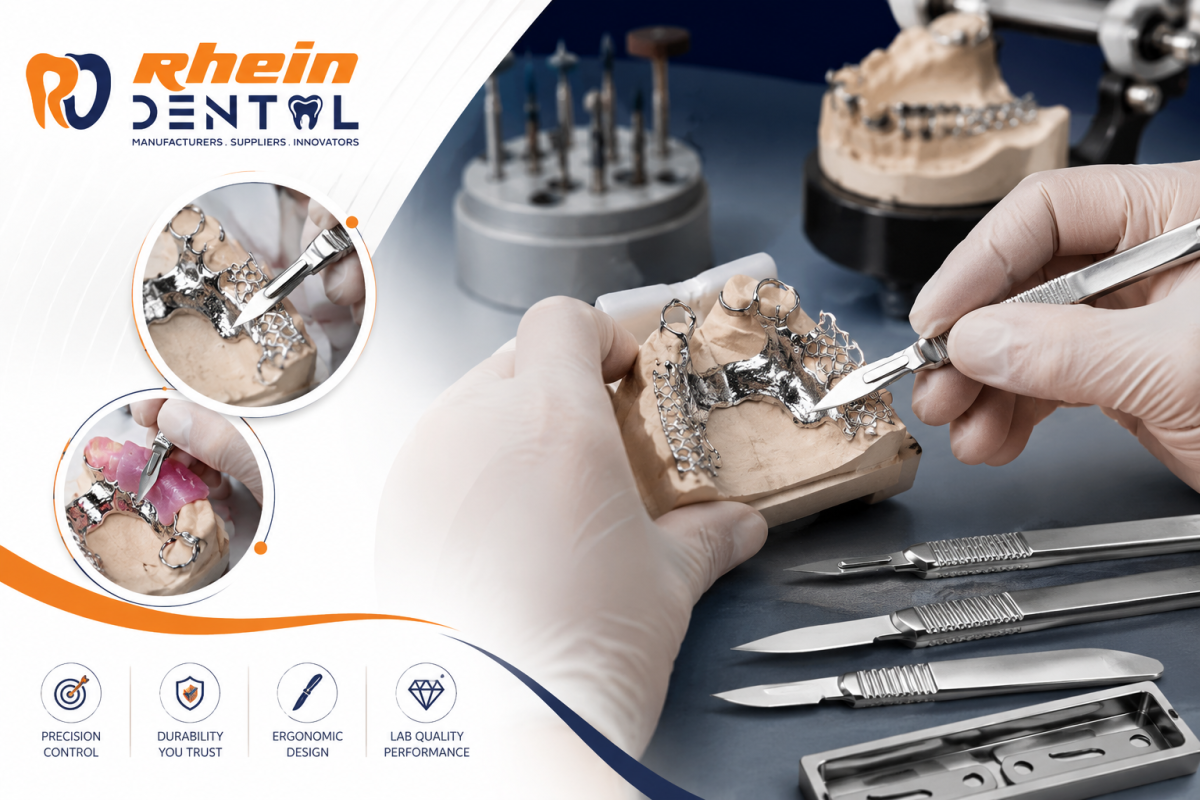
Trimming Knives and Scalpel Handles in the Dental Lab: Precision Cutting Techniques for Removable Partial Denture Framework Adjustment
11
May
May
Precision is one of the most critical elements in dental laboratory procedures, especially during the fabrication and adjustment of removable partial denture (RPD) frameworks. Even the smallest inaccuracies can affect fit, comfort, retention, and long-term prosthetic success. Among the essential hand instruments used for detailed laboratory adjustments are trimming knives and scalpel handles, which provide […]
Dental Instruments Blog
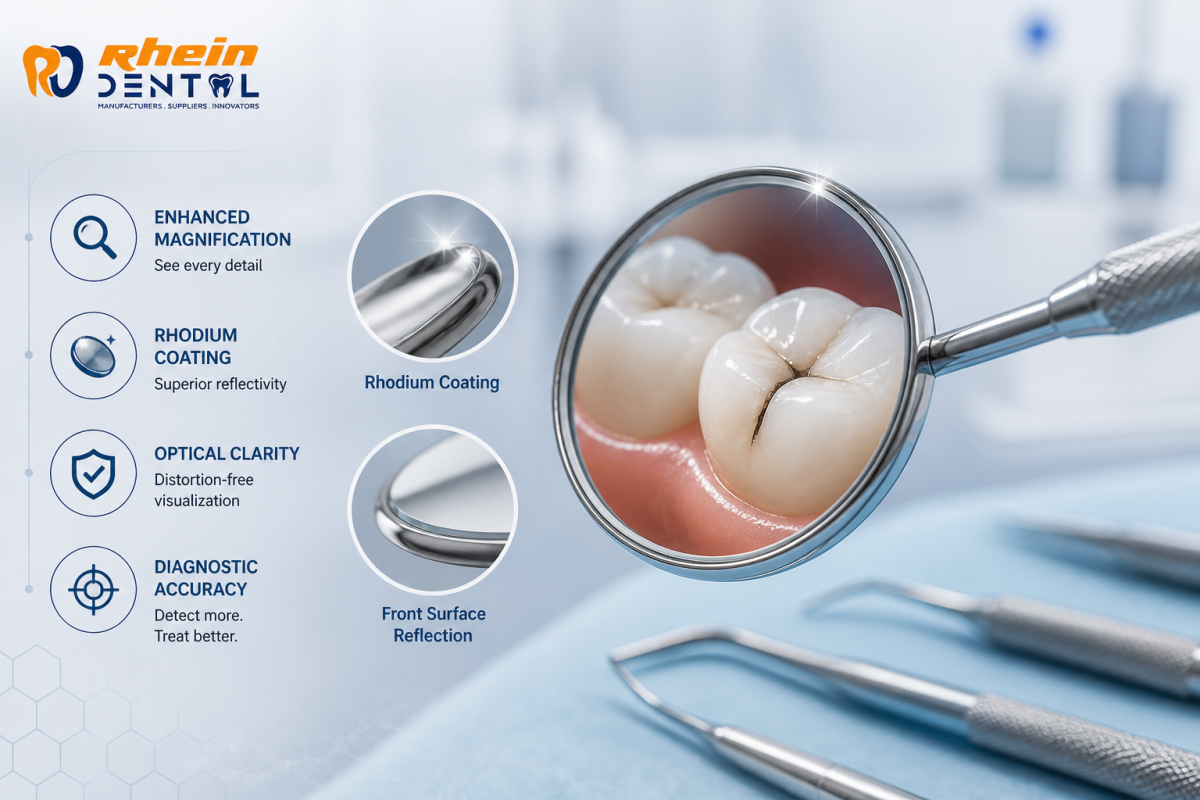
Dental Mirror Magnification and Rhodium Coating: How Optical Clarity Influences Diagnostic Accuracy
06
May
May
In modern dentistry, precision begins with what the clinician can clearly see. Among all diagnostic tools, the humble dental mirror plays a surprisingly powerful role. Its design—particularly magnification capability and rhodium coating directly affects optical clarity, and therefore, diagnostic accuracy. When visibility improves, decision-making becomes more reliable, treatment outcomes improve, and patient care reaches a […]
Dental Instruments Blog
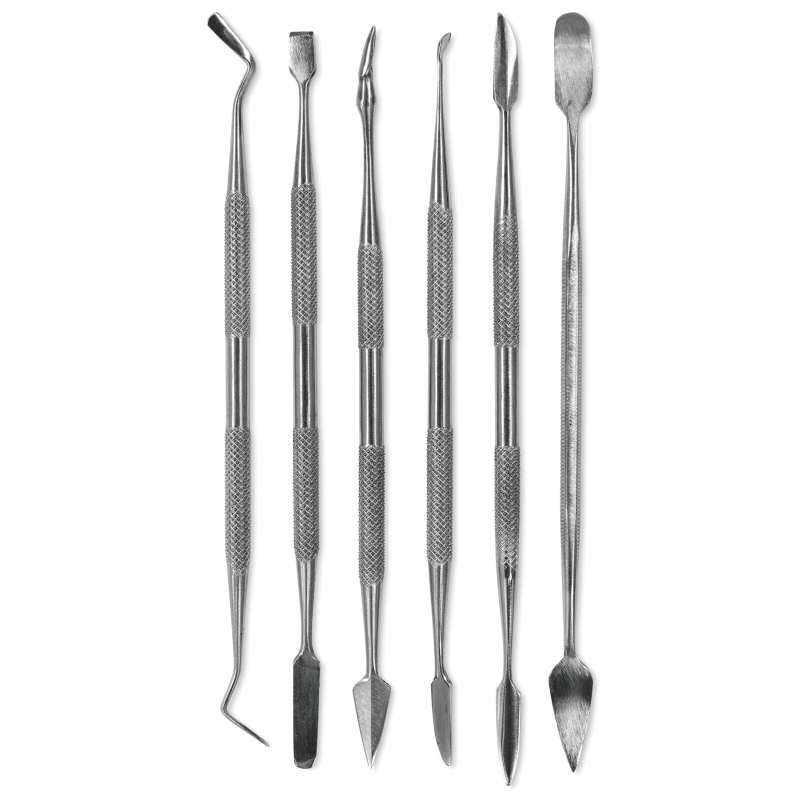
Wax Carving Tools: Understanding Different Blade Shapes for Anatomical Wax-Up.
24
Apr
Apr
Creating a precise and lifelike anatomical wax-up is both an art and a science. Whether you’re working in prosthodontics, restorative dentistry, or lab-based crown and bridge work, the wax carving tools you choose and more importantly, their blade shapes play a crucial role in achieving accuracy, symmetry, and natural tooth morphology (Wax Carving Tool Blade […]
Orthodontic Instruments Blog
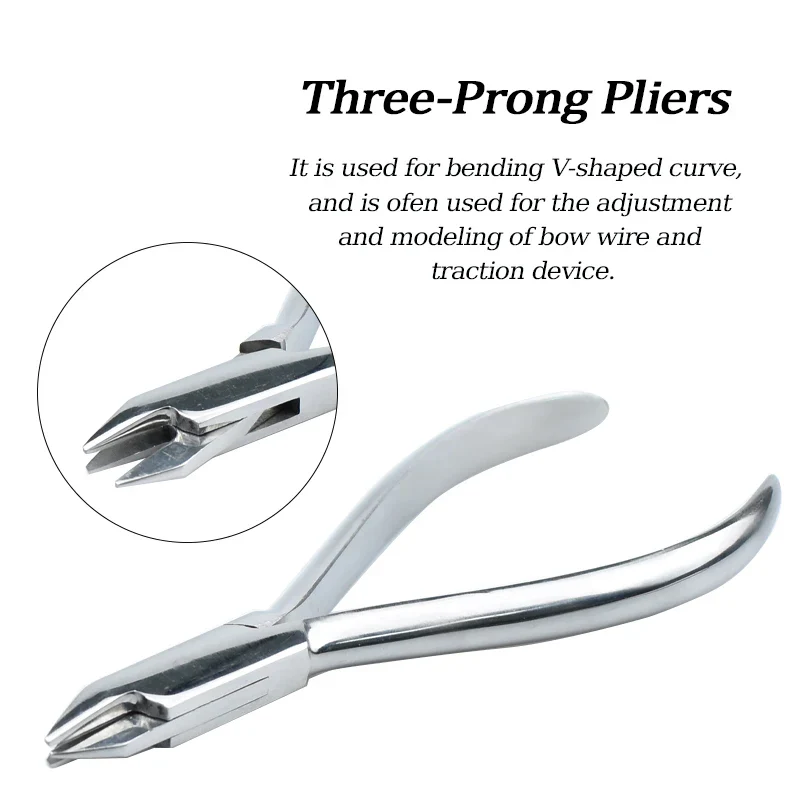
Wire Bending Pliers: Bird Beak vs. Three-Prong Design for Different Loop Formations.
17
Apr
Apr
Precision in orthodontics and dental lab work often comes down to the smallest details especially when forming loops in wires. Whether you’re adjusting appliances, crafting retainers, or fabricating custom components, the type of pliers you use directly affects the accuracy, consistency, and strength of your loops (Bird Beak vs Three-Prong pliers). Among the most commonly […]

11
Apr
Apr
In modern dentistry, clear visibility is essential for accurate diagnosis and efficient treatment. Dental mirrors are among the most frequently used instruments, and their performance directly affects clinical precision. One of the most significant advancements in mirror technology is rhodium coating a premium reflective surface that offers superior clarity, durability, and resistance to fogging and […]
Orthodontic Instruments Blog
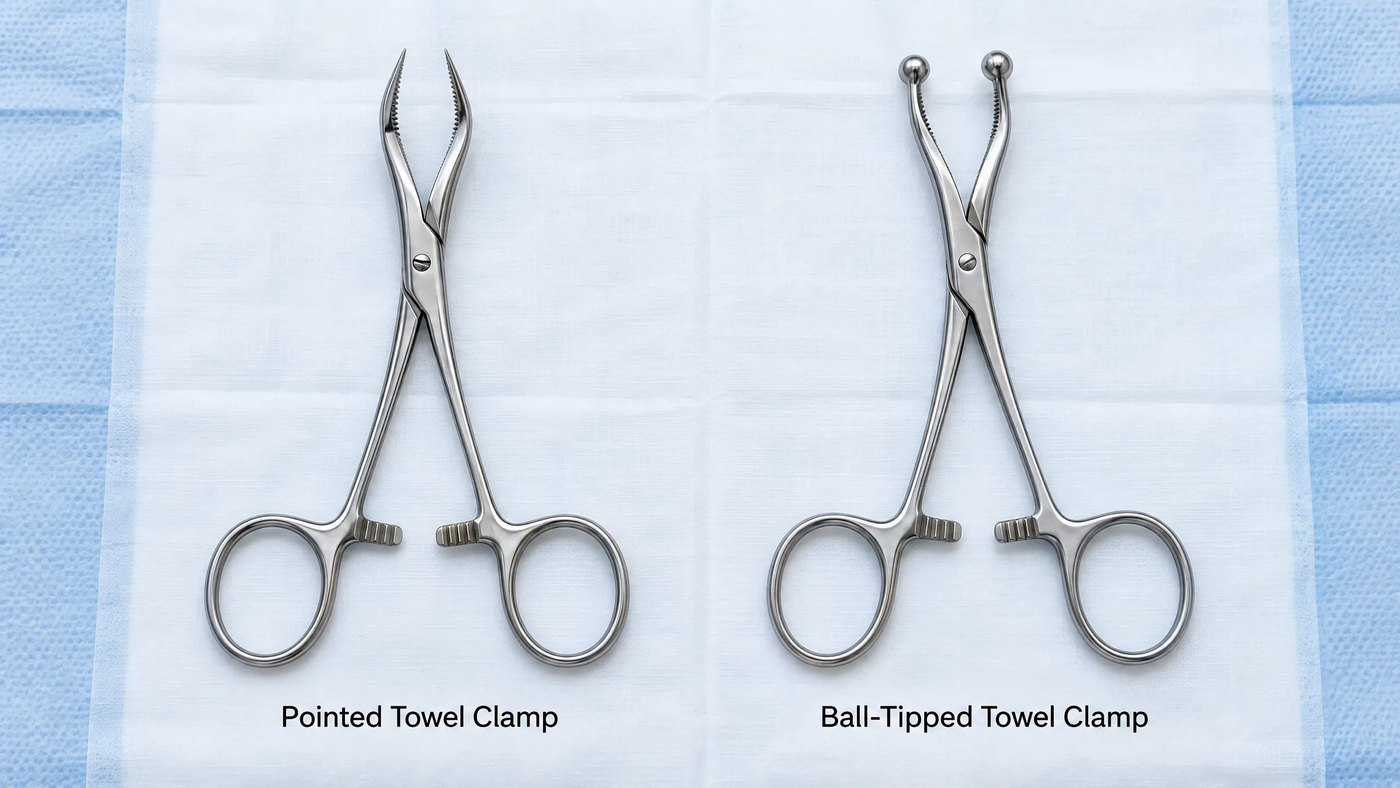
Towel Clamps in Sterile Field Management: Pointed vs. Ball-Tipped Designs
28
Mar
Mar
A sterile field protects every surgical or clinical procedure. Even a minor lapse can raise the risk of infection, compromise patient safety, and affect outcomes. Towel clamps play a critical but often overlooked role here. They hold drapes in place, so they keep the working area controlled. In this article, we compare pointed and ball-tipped […]
Orthodontic Instruments Blog
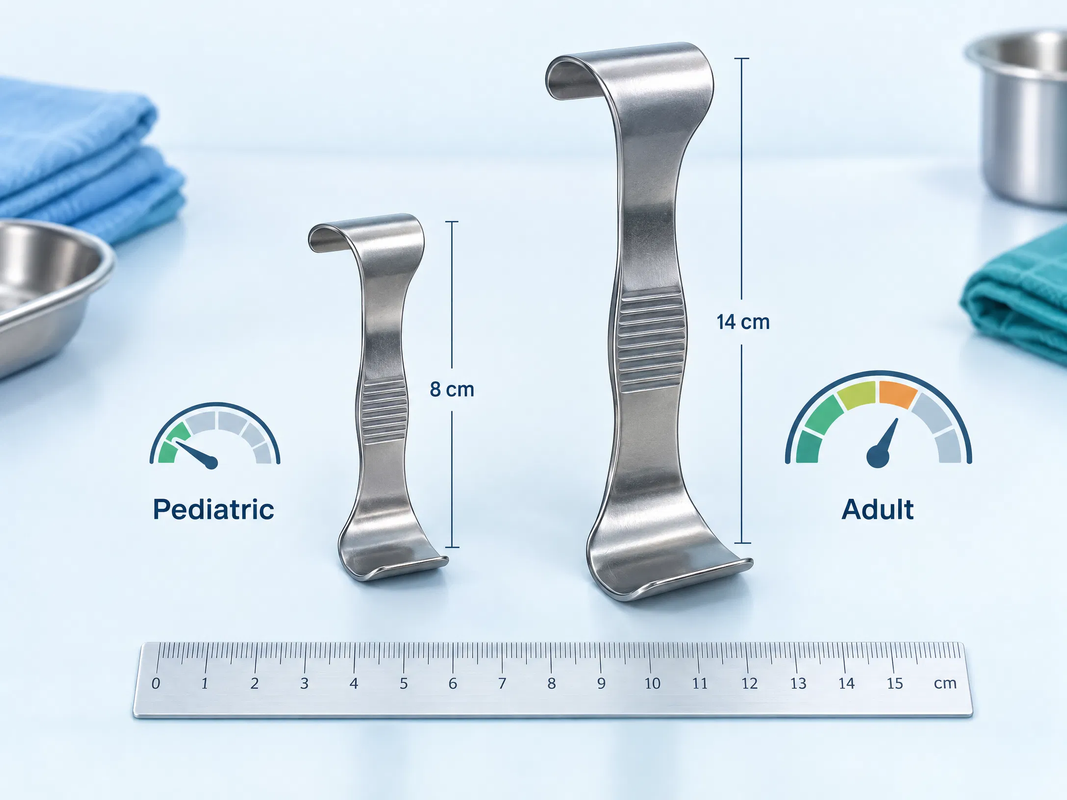
Pediatric vs. Adult Retractors: Size Specifications and Force Considerations for Safe Use
16
Mar
Mar
Surgical retractors are essential instruments used to hold tissues aside and provide clear visibility during medical and dental procedures. However, selecting the correct type of retractor is crucial because pediatric and adult patients require different instrument designs. Children have smaller and more delicate anatomical structures, whereas adults typically require stronger instruments capable of managing thicker […]
- 1
- 2