
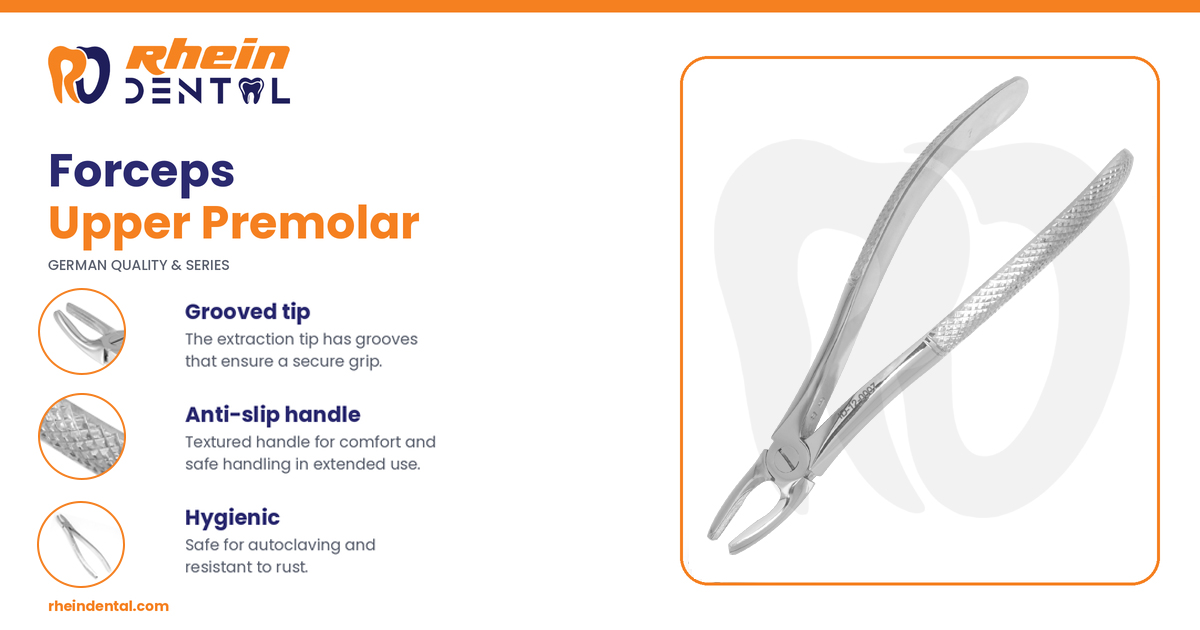
The forceps upper premolar extractions depend on is one of the most commonly stocked instruments in any dental or oral surgery tray. Upper premolars look simple, but their roots are slender, their buccal plates are thin, and a poorly matched instrument can fracture a root in seconds. This guide explains what upper premolar forceps are, […]
Tag Archives: #DentalCare
24
Aug
Aug
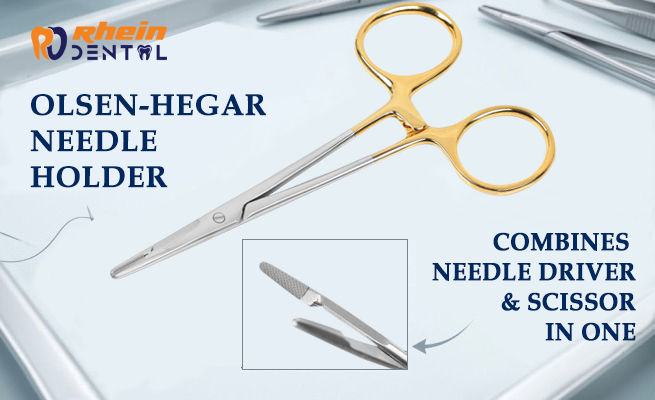
The Olsen-Hegar needle holder is a combination surgical instrument that merges a needle driver and suture scissors into a single tool. Surgeons rely on this instrument because it reduces the number of hand exchanges during a procedure, which in turn shortens operating time. Whether you’re a surgical resident learning instrument identification or a procurement officer […]
Dental Instruments Blog
ISO 13485 and CE Marking in Dental Instrument Manufacturing: What These Certifications Mean for Clinical Safety

05
Jun
Jun
Introduction In modern dentistry, patient safety and clinical precision depend heavily on the quality and reliability of the instruments used during treatment. Whether performing routine examinations, surgical procedures, or complex implant placements, dental professionals rely on instruments that meet strict international quality standards. Two of the most important certifications that demonstrate a manufacturer’s commitment to […]
Surgical Instruments Blog
Bone Spreaders and Ridge Expanders: Sequential Technique for Narrow Ridge Expansion Without Membrane Perforation
03
Jun
Jun
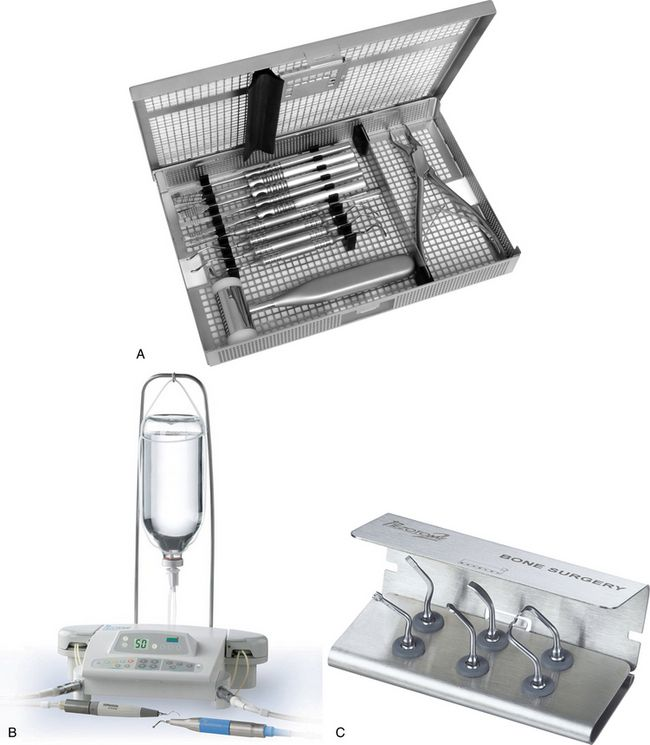
Introduction Insufficient alveolar ridge width is a common challenge in dental implantology. When the ridge is too narrow to accommodate an implant, clinicians often turn to ridge expansion techniques to increase bone width while preserving existing bone volume. Bone spreaders and ridge expanders are valuable instruments that allow controlled expansion of narrow ridges without extensive […]
Surgical Instruments Blog
Trimming Knives and Scalpel Handles in the Dental Lab: Precision Cutting Techniques for Removable Partial Denture Framework Adjustment
11
May
May
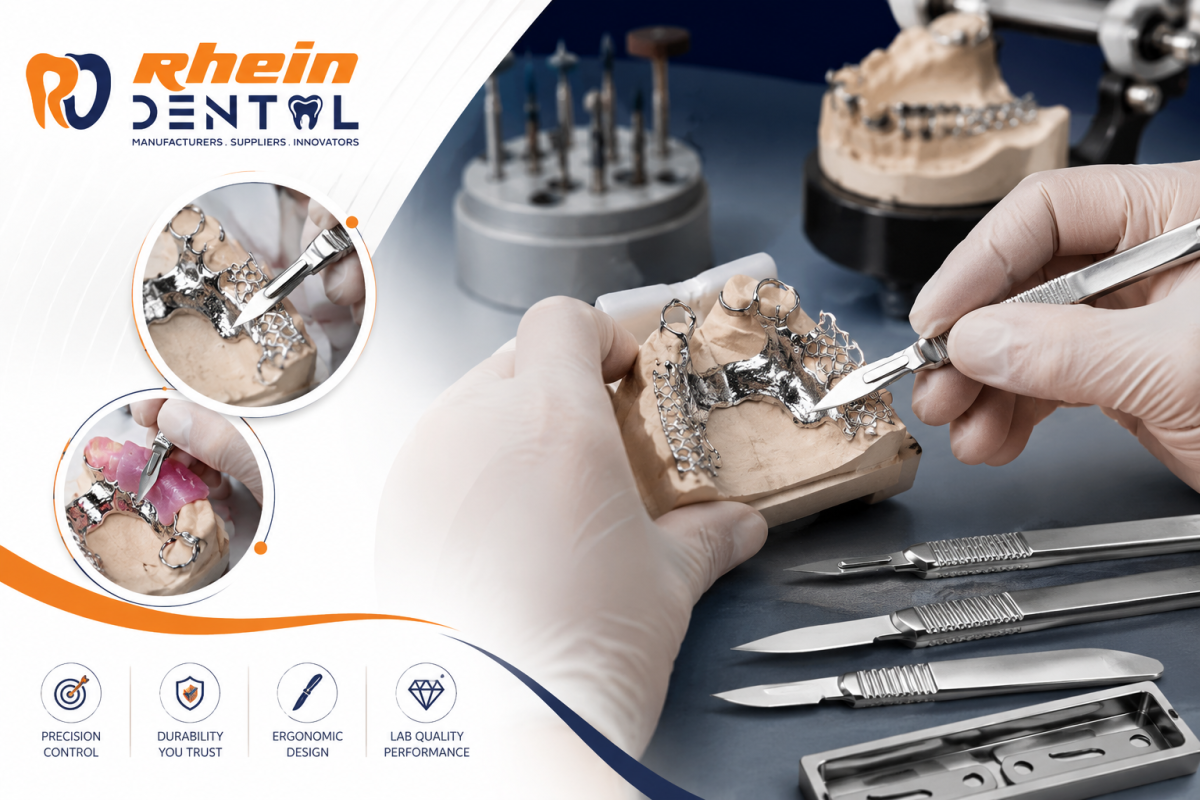
Precision is one of the most critical elements in dental laboratory procedures, especially during the fabrication and adjustment of removable partial denture (RPD) frameworks. Even the smallest inaccuracies can affect fit, comfort, retention, and long-term prosthetic success. Among the essential hand instruments used for detailed laboratory adjustments are trimming knives and scalpel handles, which provide […]
Surgical Instruments Blog
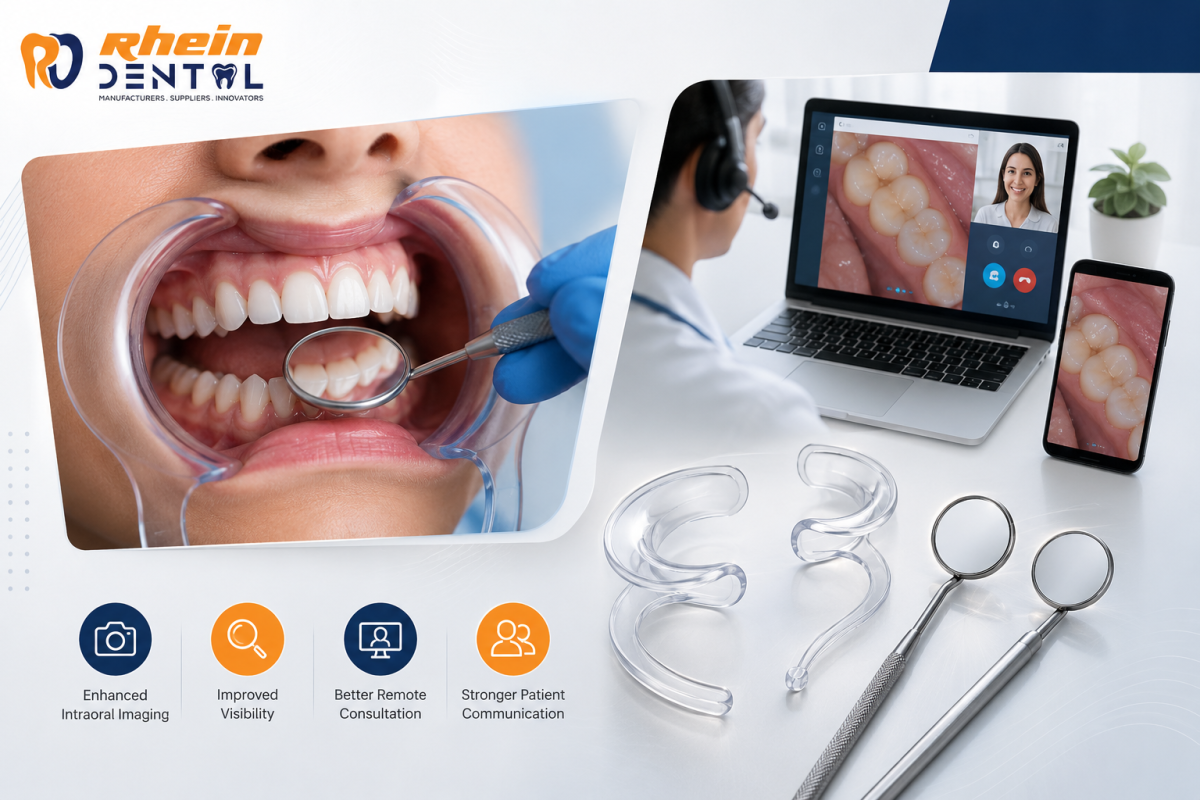
The Clinical Role of Cheek Retractors and Mouth Mirrors in Intraoral Photography and Tele dentistry
07
May
May
Modern dentistry increasingly depends on accurate visual documentation. From treatment planning to patient education, high-quality intraoral images have become essential in everyday clinical practice. As teledentistry continues to grow, dental professionals also require reliable tools that improve image clarity, visibility, and diagnostic communication. Among the most important instruments used during intraoral photography are cheek retractors […]
Surgical Instruments Blog
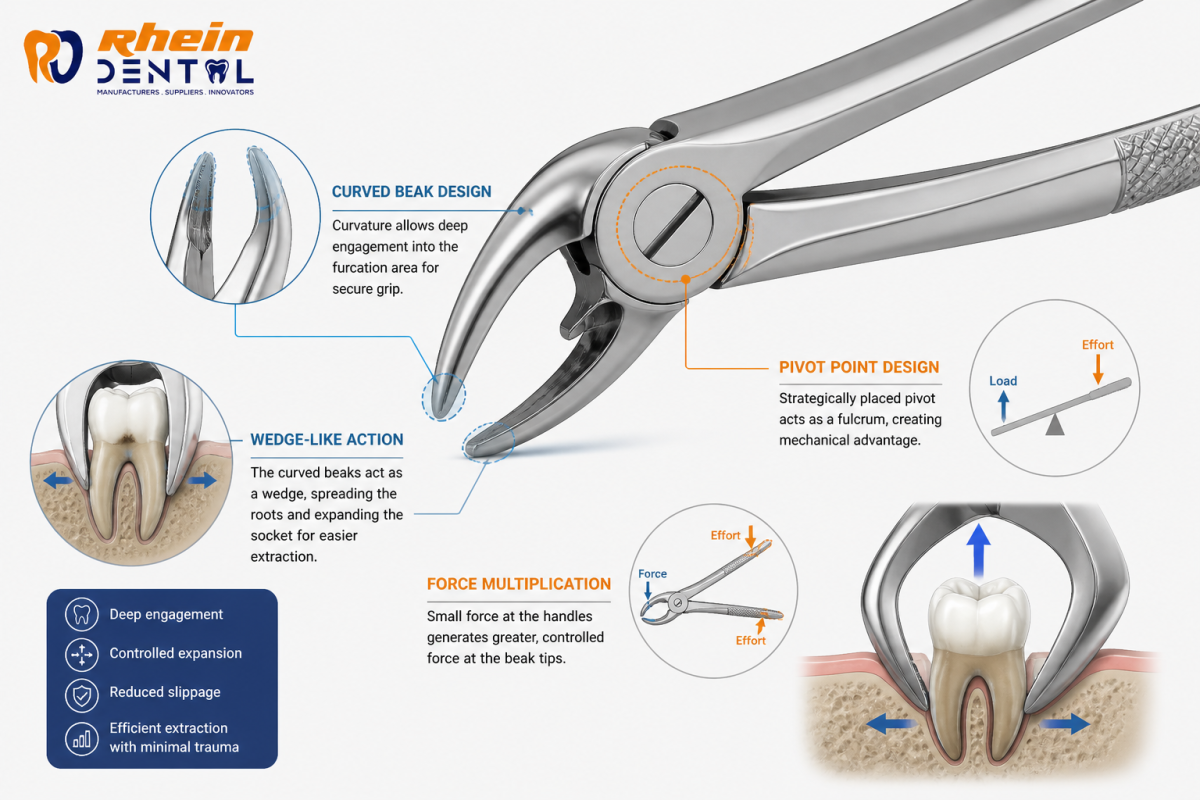
Cowhorn Forceps Mechanics: How Beak Curvature and Pivot Point Design Generate Controlled Extraction Force
05
May
May
Dental extraction is not just about force. Instead, it depends on controlled biomechanics, precision, and proper instrument design. Among extraction instruments, Cowhorn forceps stand out because they combine mechanical efficiency with anatomical adaptability. Moreover, their design helps clinicians manage difficult molar extractions with greater control and reduced trauma (Cowhorn Forceps Mechanics). What Are Cowhorn Forceps? […]
Surgical Instruments Blog
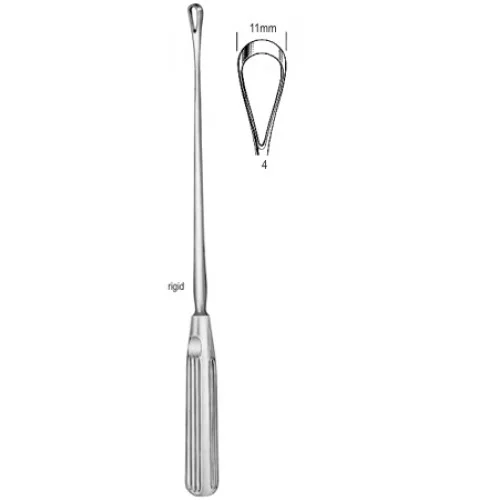
Curettes for Degranulation: Sharp vs. Blunt Edges in Lesion Removal and Socket Cleaning
22
Apr
Apr
Successful healing after extractions, implant placement, or periodontal surgery starts with one critical step: thorough degranulation. Removing infected, inflamed, or necrotic tissue from a socket or lesion site ensures a clean biological environment for regeneration. The choice of instrument particularly sharp vs. blunt curettes plays a major role in how effectively and safely this is […]
Orthodontic Instruments Blog
Tweed Loop Pliers: Specialized Design for Consistent Closing Loop Formation.

21
Apr
Apr
Orthodontic precision often comes down to the smallest details and loop formation is one of them. When shaping closing loops for space management or adjusting archwires for controlled tooth movement, consistency becomes critical. Tweed Loop Pliers address this need by delivering predictable, repeatable results without compromising wire integrity. What Are Tweed Loop Pliers? Tweed Loop […]
Dental Instruments Blog
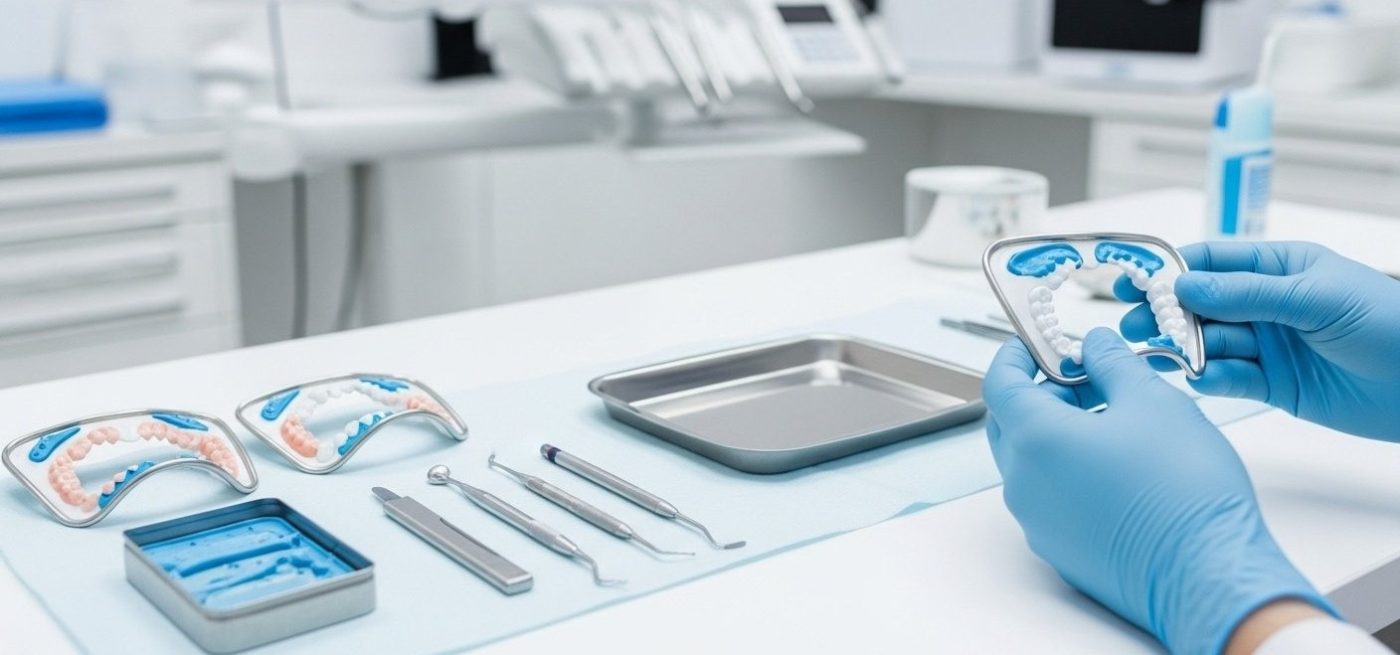
Impression Tray Adhesive Application: How Tray Design Affects Material Bonding.
16
Apr
Apr
In restorative and prosthodontic dentistry, impression accuracy is everything. However, even the best impression materials can fail if they do not properly adhere to the tray. That is where impression tray adhesives come into play. More importantly, tray design itself plays a critical role in how effectively these adhesives perform. Understanding this relationship can significantly […]