
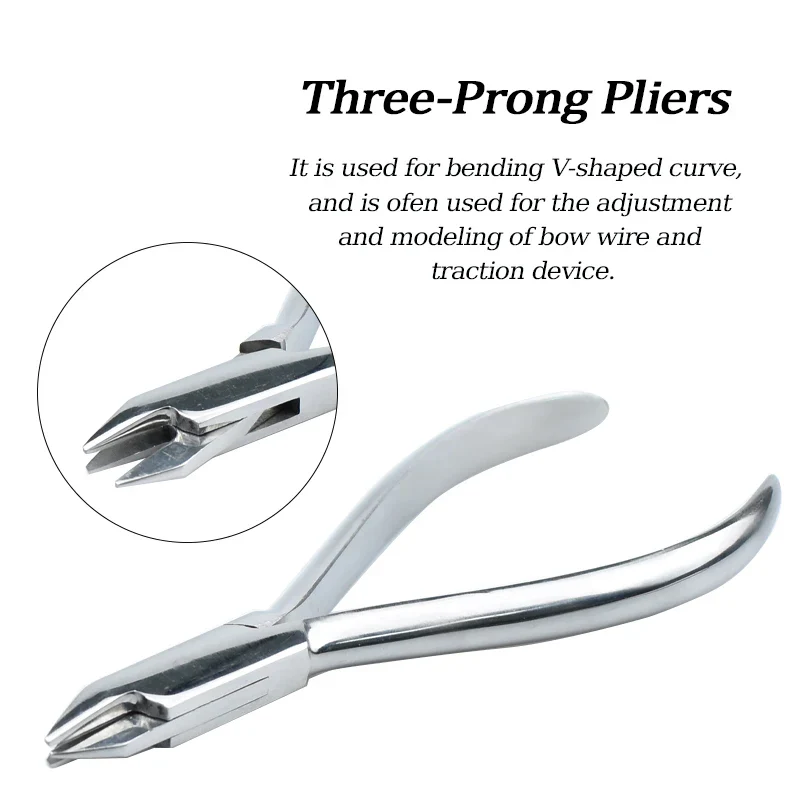
Precision in orthodontics and dental lab work often comes down to the smallest details especially when forming loops in wires. Whether you’re adjusting appliances, crafting retainers, or fabricating custom components, the type of pliers you use directly affects the accuracy, consistency, and strength of your loops (Bird Beak vs Three-Prong pliers). Among the most commonly […]
Tag Archives: #DentalTools
Dental Instruments Blog
Impression Tray Adhesive Application: How Tray Design Affects Material Bonding.
16
Apr
Apr
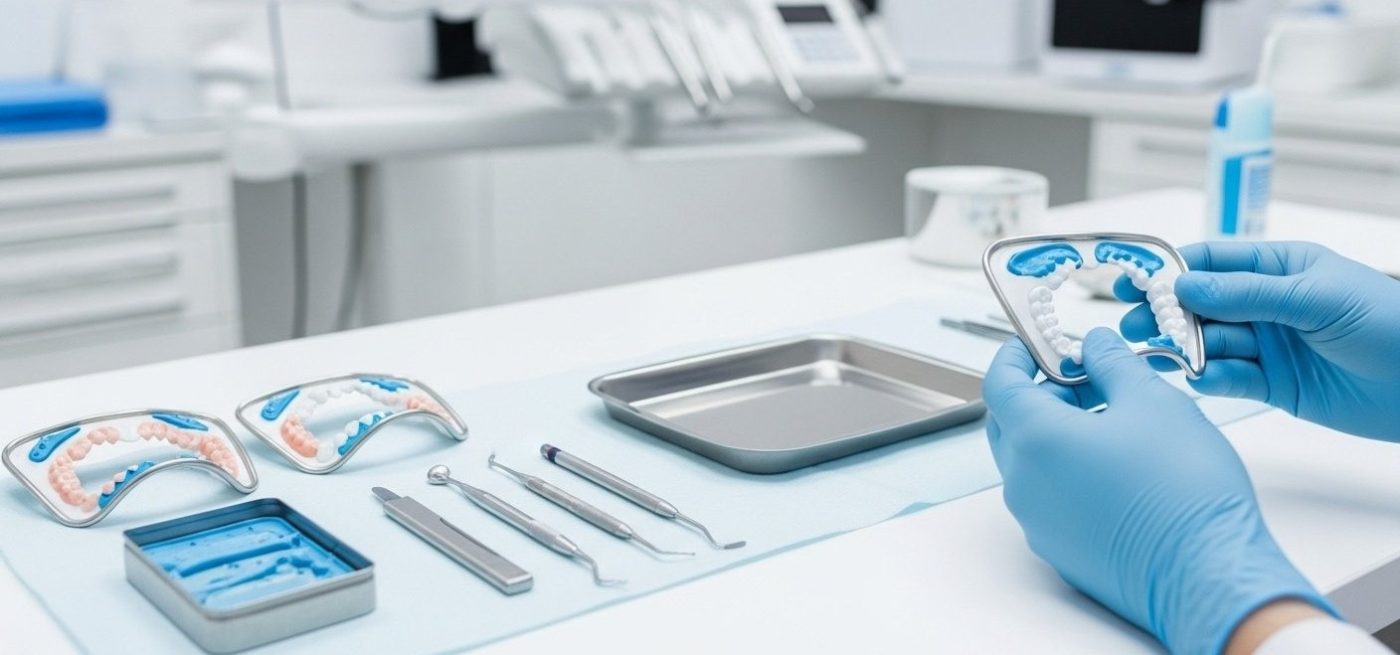
In restorative and prosthodontic dentistry, impression accuracy is everything. However, even the best impression materials can fail if they do not properly adhere to the tray. That is where impression tray adhesives come into play. More importantly, tray design itself plays a critical role in how effectively these adhesives perform. Understanding this relationship can significantly […]
Dental Instruments Blog
Perforated vs. Solid Impression Trays: Material Retention and Accuracy Considerations.
15
Apr
Apr
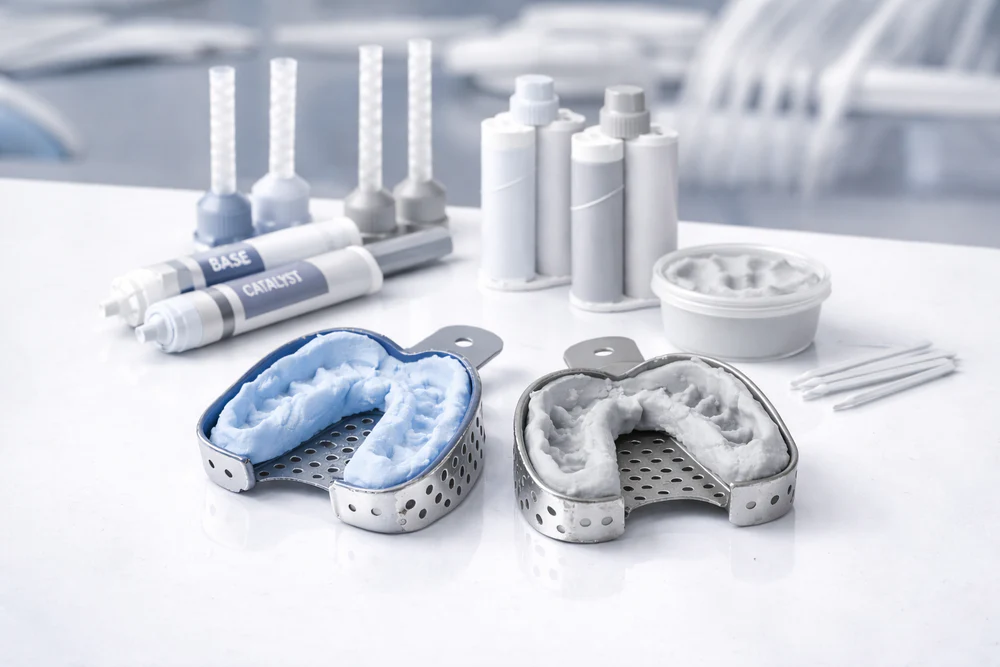
In restorative and prosthodontic dentistry, the accuracy of impressions plays a critical role in ensuring the success of final restorations. One often overlooked yet essential factor influencing impression quality is the type of tray used. Choosing between perforated and solid impression trays can significantly impact material retention, dimensional stability, and overall accuracy. This article explores […]
Dental Instruments Blog
Mirror Handle Texturing: How Knurled Grips Prevent Slippage During Wet Procedures.
14
Apr
Apr
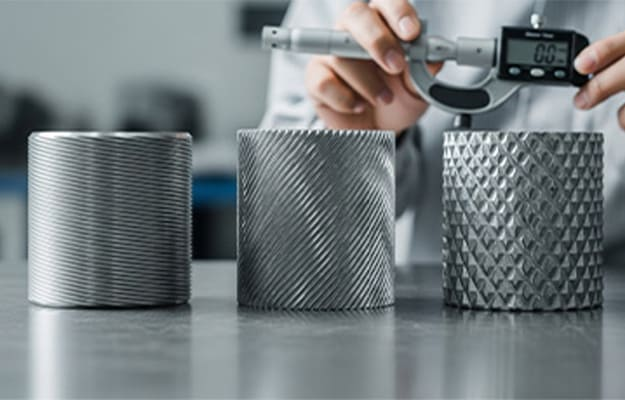
Introduction In dental and surgical settings, precision is everything. Even the smallest loss of control can impact performance, efficiency, and patient safety. One often overlooked but critical design feature in instruments is handle texturing especially knurled grips on mirror handles. During wet procedures where fluids like saliva, blood, or irrigation solutions are present, these textured […]
Dental Instruments Blog
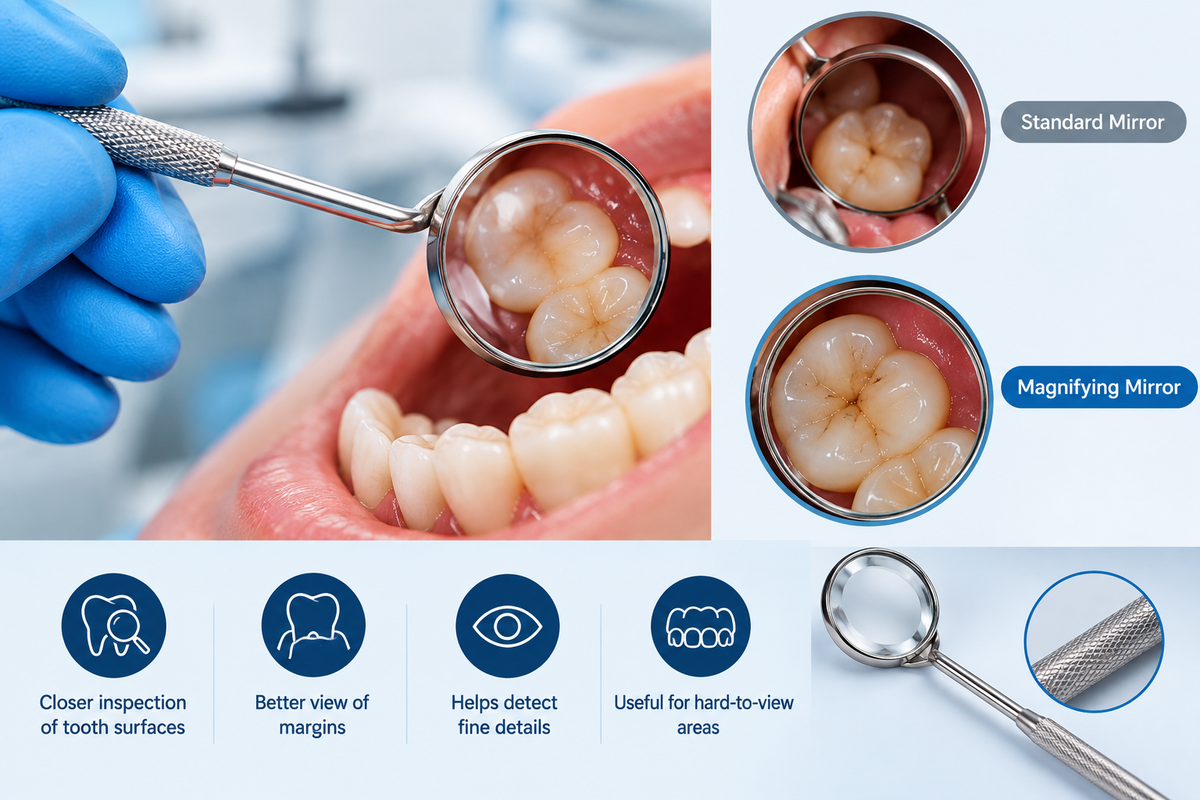
Magnifying Dental Mirrors: When to Use Enhanced Visualization Tools for Detailed Inspection
14
Apr
Apr
In modern dentistry, precision is no longer optional it’s expected. As procedures become more refined and patient expectations continue to rise, clinicians are increasingly turning to enhanced visualization tools to improve diagnostic accuracy. Among these, magnifying dental mirrors stand out as a simple yet powerful upgrade to traditional instruments. But when exactly should you use […]

11
Apr
Apr
In modern dentistry, clear visibility is essential for accurate diagnosis and efficient treatment. Dental mirrors are among the most frequently used instruments, and their performance directly affects clinical precision. One of the most significant advancements in mirror technology is rhodium coating a premium reflective surface that offers superior clarity, durability, and resistance to fogging and […]
Dental Instruments Blog
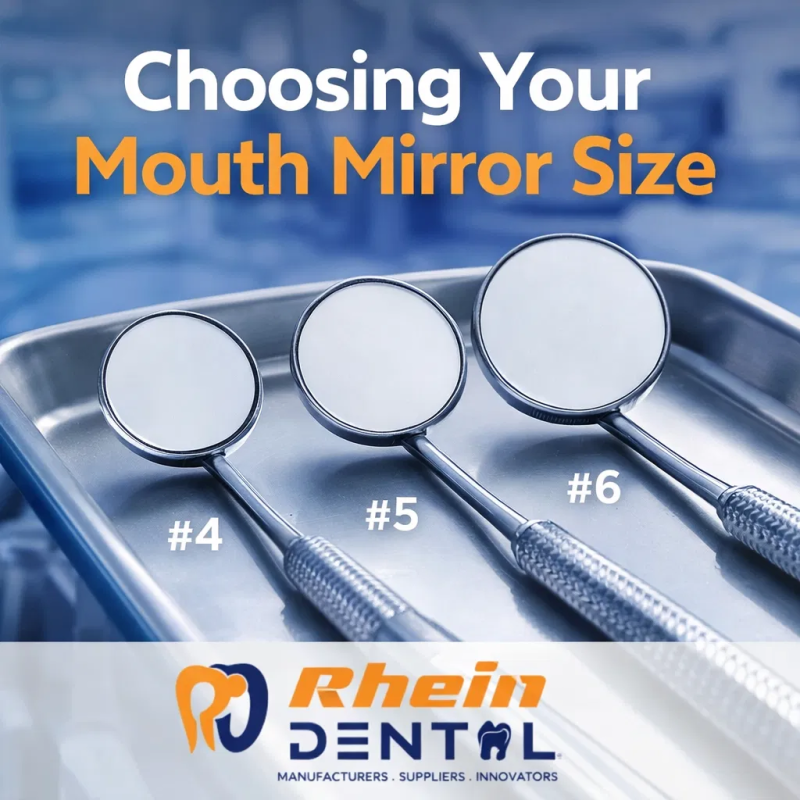
Mouth Mirror Sizes: Choosing Between #4, #5, and #6 for Different Oral Examinations.
10
Apr
Apr
A mouth mirror is one of the most frequently used tools in dentistry. It helps with indirect vision, illumination, tissue retraction, and improved access during oral examinations and procedures. However, choosing the right mirror size can make a significant difference in both patient comfort and clinical efficiency. Among the most commonly used sizes are #4, […]
Orthodontic Instruments Blog
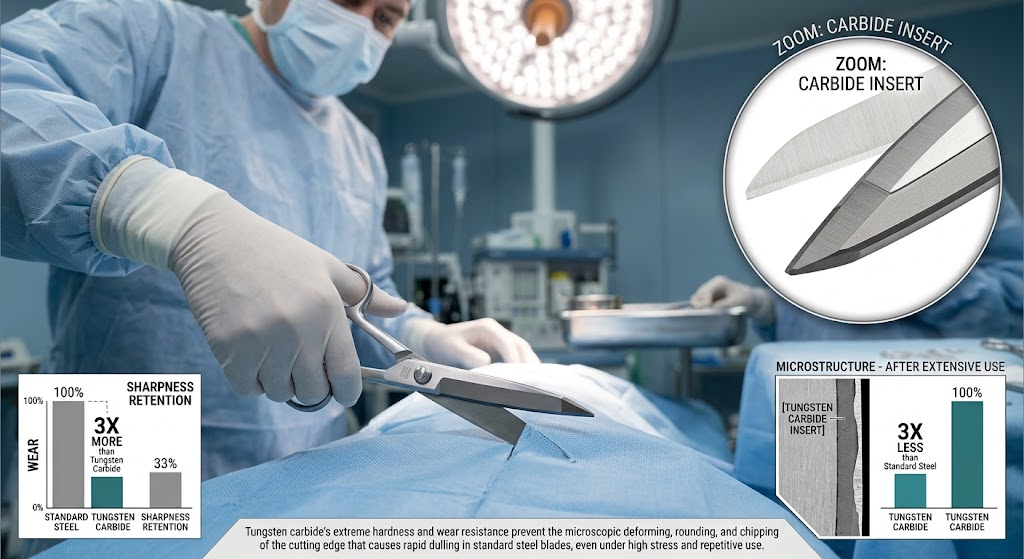
Tungsten Carbide Scissor Blades: How They Maintain Sharpness 3X Longer Than Standard Steel
01
Apr
Apr
In precision-driven industries like dentistry, surgery, and laboratory work, the performance of cutting instruments directly impacts outcomes. One innovation that has significantly elevated cutting efficiency and durability is the use of tungsten carbide scissor blades. Known for their exceptional hardness and wear resistance, these blades maintain sharpness up to three times longer than standard stainless […]
Surgical Instruments Blog
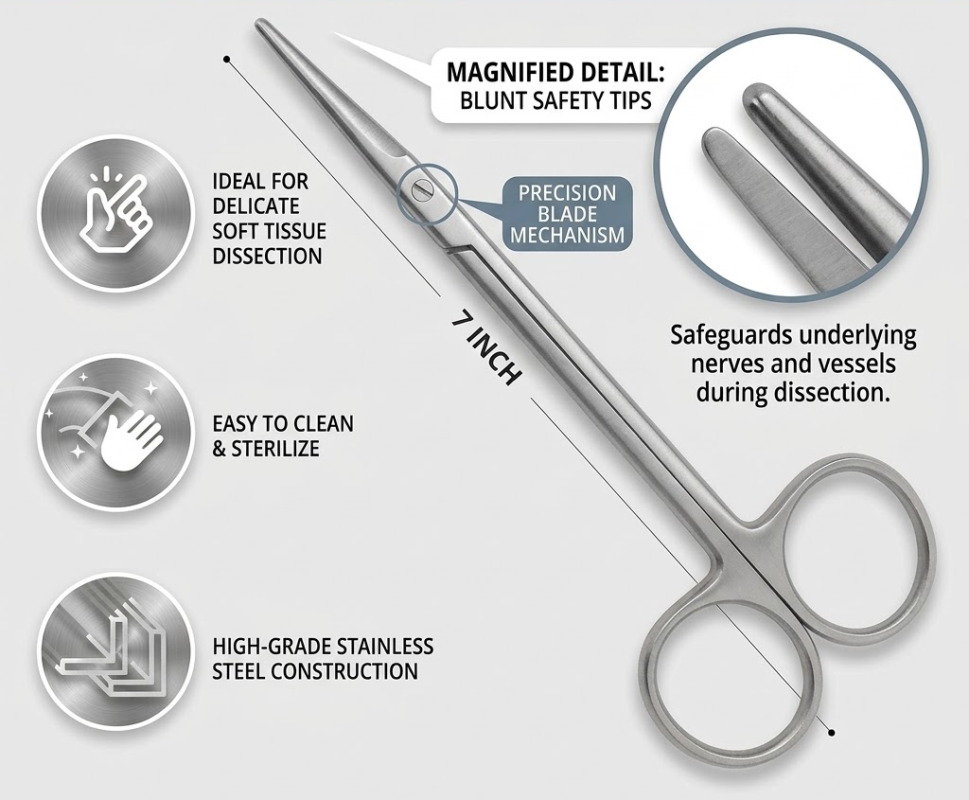
Metzenbaum Scissors in Soft Tissue Dissection: Blunt Tip Design That Prevents Accidental Puncture
30
Mar
Mar
In delicate surgical environments especially in oral and maxillofacial procedures precision isn’t just about sharpness; it’s about control and safety. Among the most trusted instruments for soft tissue work are Metzenbaum scissors, widely recognized for their refined design and atraumatic performance. A defining feature that sets them apart is their blunt tip, engineered specifically to […]
Orthodontic Instruments Blog
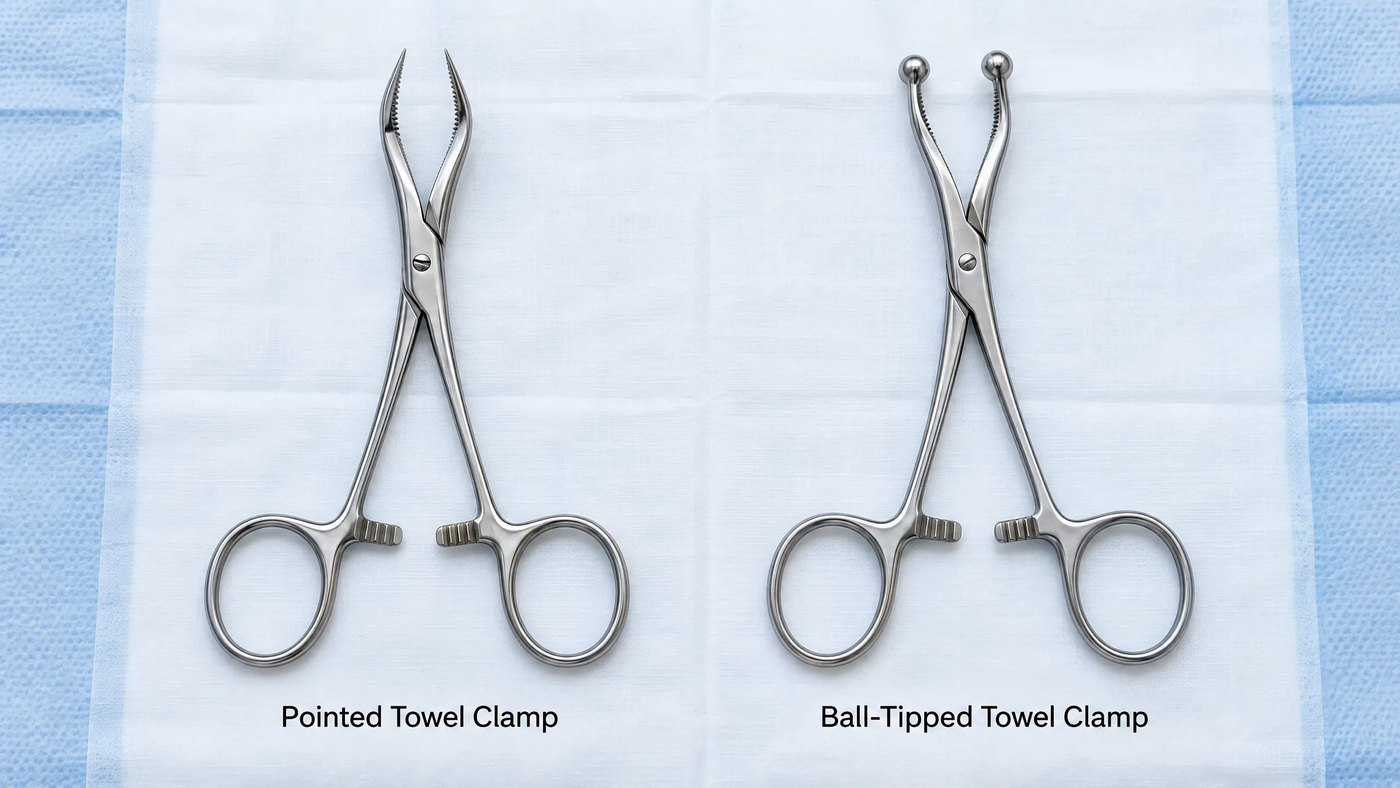
Towel Clamps in Sterile Field Management: Pointed vs. Ball-Tipped Designs
28
Mar
Mar
A sterile field protects every surgical or clinical procedure. Even a minor lapse can raise the risk of infection, compromise patient safety, and affect outcomes. Towel clamps play a critical but often overlooked role here. They hold drapes in place, so they keep the working area controlled. In this article, we compare pointed and ball-tipped […]