
Orthodontic emergencies can occur unexpectedly, whether a patient has a broken bracket, a protruding archwire, a loose band, or a damaged retainer. While most orthodontic emergencies are not life-threatening, they can cause significant discomfort, soft tissue injuries, and interruptions in treatment if not addressed promptly.
Having the right emergency orthodontic tools readily available allows orthodontists to provide immediate, safe, and effective care while minimizing patient discomfort. Modern orthodontic practices rely on specialized instruments designed specifically for emergency repairs without compromising ongoing treatment.
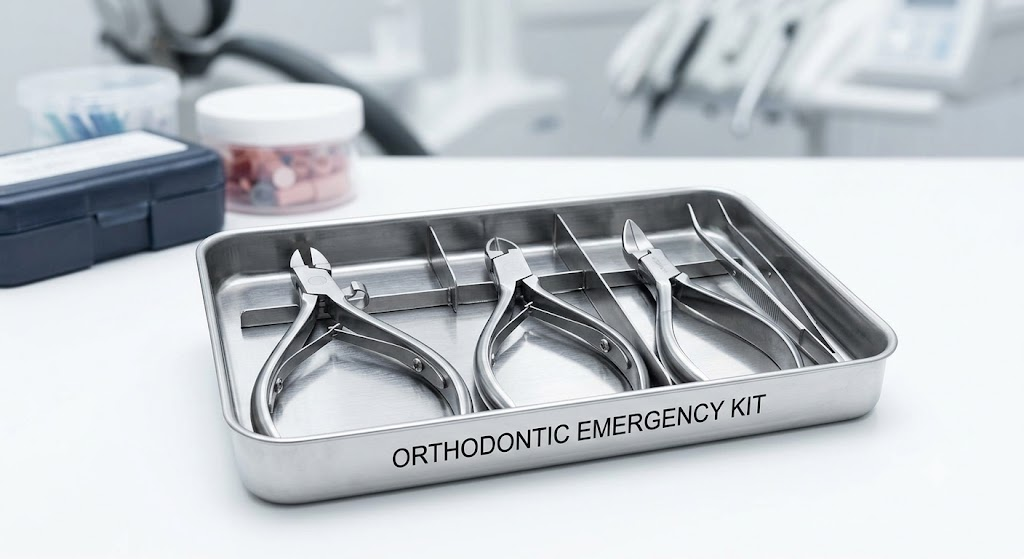
In this comprehensive guide, we’ll explore the must-have tools for orthodontic emergencies, explain their functions, discuss best practices for emergency management, and provide practical tips for selecting high-quality orthodontic instruments.
Why Emergency Orthodontic Tools Are Essential
Orthodontic treatment typically lasts between 12 and 36 months, making emergency visits inevitable for many patients. Quick intervention helps:
- Reduce patient discomfort
- Prevent oral tissue injuries
- Avoid treatment delays
- Protect orthodontic appliances
- Improve patient satisfaction
- Reduce emergency appointment time
- Maintain treatment efficiency
A well-equipped orthodontic emergency kit enables clinicians to confidently manage a wide range of orthodontic complications.
Common Orthodontic Emergencies
Before selecting instruments, it’s important to understand the most common orthodontic emergencies.
Broken Brackets
Brackets may detach due to:
- Hard foods
- Trauma
- Excessive chewing forces
- Adhesive failure
Detached brackets often slide along the archwire, causing irritation.
Protruding Archwires
As teeth move during treatment, excess wire may extend beyond the molar tubes, irritating the cheeks and gums.
Loose Bands
Orthodontic bands may loosen over time, reducing appliance effectiveness and causing discomfort.
Ligature Problems
Elastic or stainless steel ligatures may become loose, broken, or displaced, requiring immediate adjustment.
Soft Tissue Irritation
Patients frequently experience irritation from:
- Wire ends
- Brackets
- Hooks
- Springs
Broken Retainers
Removable or fixed retainers may fracture or loosen, risking relapse if not repaired promptly.
Essential Emergency Orthodontic Tools Every Clinic Needs
1. Distal End Cutter
A distal end cutter is one of the most important emergency orthodontic instruments.
Primary Uses
- Cutting protruding archwires
- Trimming excess wire
- Preventing cheek irritation
- Holding cut wire securely
Benefits
- Patient comfort
- Safe wire removal
- Reduced soft tissue trauma
- Precise cutting
Many modern distal end cutters include a safety hold feature, preventing wire fragments from entering the oral cavity.
2. Weingart Utility Pliers
Weingart pliers are versatile instruments used during both routine treatment and emergency care.
Common Applications
- Repositioning loose wires
- Guiding archwires into brackets
- Removing ligatures
- Holding orthodontic components
Their narrow beaks allow access to difficult posterior regions.
3. Bird Beak Pliers
Bird beak pliers are indispensable for adjusting orthodontic wires.
Uses
- Wire bending
- Creating loops
- Minor wire adjustments
- Emergency appliance modifications
Their dual-tip design provides excellent control during emergency repairs.
4. Mathieu Ligature Pliers
Mathieu pliers simplify ligature placement and removal.
Ideal For
- Elastic ligatures
- Stainless steel ligatures
- Ligature tightening
- Emergency bracket stabilization
Self-locking handles improve efficiency during treatment.
5. Ligature Cutter
Broken ligatures often require immediate removal.
A dedicated ligature cutter enables:
- Clean cutting
- Minimal patient discomfort
- Fast emergency repairs
- Reduced chairside time
6. Bracket Removing Pliers
Sometimes damaged brackets require immediate replacement.
Bracket removing pliers help clinicians:
- Remove failed brackets safely
- Protect enamel
- Reduce adhesive damage
- Prepare teeth for rebonding
7. Adhesive Removing Pliers
After bracket removal, residual adhesive must be eliminated carefully.
These pliers help:
- Remove bonding material
- Smooth enamel surfaces
- Prepare for rebonding
- Reduce patient discomfort
8. Band Removing Pliers
Loose orthodontic bands require specialized removal.
Band removing pliers provide:
- Controlled removal
- Reduced tooth stress
- Minimal patient discomfort
- Efficient replacement procedures
9. Utility Tweezers
Fine orthodontic tweezers assist with handling:
- Brackets
- Ligatures
- Elastics
- Small components
They improve precision during emergency procedures.
10. Orthodontic Mirror and Explorer
Good visibility is critical.
These diagnostic instruments help identify:
- Loose brackets
- Wire displacement
- Fractured appliances
- Soft tissue injuries
11. Cotton Pliers
Cotton pliers are useful for:
- Placing cotton rolls
- Handling gauze
- Delivering wax
- Managing small materials
12. Orthodontic Wax
Although not technically an instrument, orthodontic wax is essential.
It provides immediate relief from:
- Wire irritation
- Sharp brackets
- Hooks
- Appliance friction
Patients should always receive orthodontic wax after emergency adjustments when appropriate.
Additional Emergency Orthodontic Supplies
A complete orthodontic emergency tray should also include:
- Elastic modules
- Stainless steel ligature wire
- Orthodontic adhesive
- Bonding primer
- Etching gel
- Light-curing unit
- Cotton rolls
- Gauze
- Saliva ejectors
- Cheek retractors
- Air-water syringe tips
- Articulating paper
Features to Look for in Emergency Orthodontic Tools
High-Quality Stainless Steel
Premium surgical stainless steel offers:
- Corrosion resistance
- Long service life
- Reliable cutting performance
- Autoclave compatibility
Precision Manufacturing
Well-manufactured instruments provide:
- Better grip
- Accurate cutting
- Smooth movement
- Reduced operator fatigue
Ergonomic Design
Comfortable handles improve:
- Hand control
- Precision
- Reduced wrist fatigue
- Faster procedures
Non-Slip Grip
Textured handles help maintain control, especially during lengthy procedures.
Autoclavable Construction
Emergency orthodontic tools must withstand repeated sterilization without:
- Rusting
- Losing sharpness
- Joint loosening
- Surface degradation
Organizing an Orthodontic Emergency Kit
Every orthodontic clinic should maintain a dedicated emergency tray.
A recommended setup includes:
| Instrument | Purpose |
|---|---|
| Distal End Cutter | Cut protruding wires |
| Weingart Pliers | Reposition wires |
| Bird Beak Pliers | Bend wires |
| Mathieu Pliers | Handle ligatures |
| Ligature Cutter | Remove ligatures |
| Bracket Removing Pliers | Remove damaged brackets |
| Band Removing Pliers | Remove loose bands |
| Cotton Pliers | Handle materials |
| Tweezers | Position small components |
| Orthodontic Mirror | Visual examination |
| Explorer | Appliance inspection |
| Orthodontic Wax | Temporary patient relief |
Best Practices for Managing Orthodontic Emergencies
Assess Before Treating
Evaluate:
- Appliance damage
- Soft tissue injuries
- Patient discomfort
- Treatment stage
Minimize Treatment Interruptions
Emergency repairs should stabilize appliances while preserving overall treatment progress.
Follow Strict Infection Control
Always sterilize all orthodontic instruments according to established infection prevention protocols.
Educate Patients
Provide guidance on:
- Avoiding hard foods
- Wearing retainers properly
- Using orthodontic wax
- Contacting the clinic promptly
Choosing Reliable Orthodontic Instrument Manufacturers
When purchasing emergency orthodontic tools, consider manufacturers offering:
- Medical-grade stainless steel
- CE and ISO-compliant manufacturing
- Precision machining
- Quality inspection
- Ergonomic instrument designs
- Long-term durability
- Consistent cutting performance
Reliable manufacturers help ensure instruments remain dependable throughout years of daily clinical use.
Final Thoughts
Orthodontic emergencies are an inevitable part of clinical practice, but they don’t have to disrupt treatment or compromise patient comfort. By equipping your clinic with the right emergency orthodontic tools—including distal end cutters, Weingart pliers, Bird Beak pliers, ligature cutters, bracket removing pliers, and diagnostic instruments—you can respond quickly and effectively to common appliance issues.
Investing in high-quality, ergonomic, and autoclavable instruments enhances clinical efficiency, supports patient safety, and contributes to a smoother treatment experience. A well-prepared emergency kit not only reduces chairside time but also reinforces patient confidence in your practice, making it an essential component of every modern orthodontic clinic.
Frequently Asked Questions
Emergency orthodontic tools are specialized instruments used to repair broken brackets, loose bands, protruding wires, damaged retainers, and other orthodontic appliance issues during emergency appointments.
The distal end cutter is often considered the most essential because it safely trims protruding archwires that commonly cause patient discomfort.
They should be thoroughly cleaned, inspected, lubricated when necessary, and sterilized in an autoclave following the manufacturer’s instructions and local infection control guidelines.
Yes. Many instruments, such as Weingart pliers, Bird Beak pliers, Mathieu pliers, and utility tweezers, are used in both routine orthodontic procedures and emergency repairs.
Replacement depends on usage frequency, maintenance, sterilization cycles, and visible wear. Regular inspections help identify instruments that need servicing or replacement.