
Every orthodontic appointment involves precision, efficiency, and patient comfort. Among the most common procedures is changing archwires—a routine adjustment that directly influences treatment progress. While the process may appear simple, the quality of tools for changing archwires determines how quickly and safely clinicians can perform each adjustment (Efficient Wire Changing Tools).
Modern orthodontic clinics require high-performance orthodontic wire changing instruments that provide excellent grip, accurate control, and long-lasting durability. Investing in premium instruments reduces chairside time, minimizes patient discomfort, and improves workflow across busy practices.
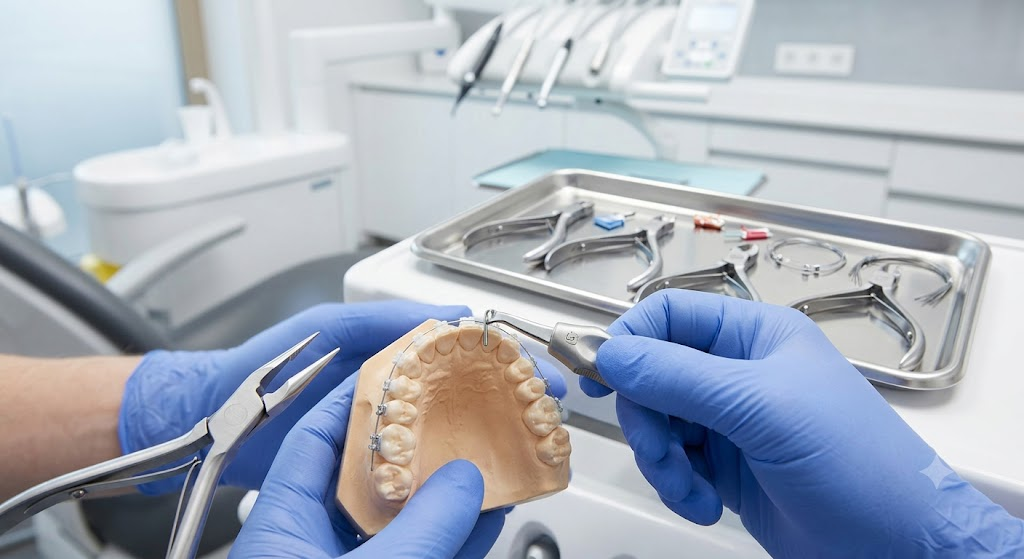
In this guide, we’ll explore the most effective wire changing tools for clinics, their applications, selection criteria, maintenance practices, and why quality instruments are essential for successful orthodontic treatment (Efficient Wire Changing Tools).
Why Efficient Wire Changing Matters
Archwires guide tooth movement throughout orthodontic treatment. During each adjustment appointment, clinicians remove the old wire and place a new one with different mechanical properties.
Efficient wire changing helps:
- Reduce appointment time
- Improve patient comfort
- Maintain treatment accuracy
- Lower clinician fatigue
- Increase clinical productivity
- Minimize accidental wire deformation
- Prevent bracket damage
The better the instrument quality, the smoother the procedure becomes.
What Are Wire Changing Tools?
Wire changing tools are specialized orthodontic instruments designed to safely remove, adjust, insert, bend, and secure orthodontic archwires.
These instruments provide precise control while working in confined intraoral spaces.
Common procedures include:
- Removing ligatures
- Releasing self-ligating clips
- Extracting archwires
- Inserting new wires
- Bending wire ends
- Cutting excess wire
- Holding elastic modules
- Securing ligatures
Essential Tools for Changing Archwires
1. Mathieu Pliers
Mathieu pliers are among the most frequently used instruments during wire changes.
Applications
- Holding ligatures
- Placing elastic modules
- Assisting wire insertion
- Managing small orthodontic accessories
Advantages
- Spring-loaded mechanism
- Comfortable grip
- Excellent precision
- One-handed operation
2. Bird Beak Pliers
Bird beak pliers are indispensable when adjusting orthodontic wires.
Uses
- Creating loops
- Wire bending
- Wire adjustment
- Custom appliance fabrication
Their tapered beaks provide excellent control over various wire diameters.
3. Distal End Cutter
A distal end cutter removes excess wire extending beyond the molar tube.
Benefits
- Cuts wire cleanly
- Holds cut wire safely
- Prevents accidental swallowing
- Improves patient safety
Premium distal end cutters maintain sharpness through thousands of cutting cycles.
4. Weingart Utility Pliers
These versatile pliers assist with:
- Wire insertion
- Wire removal
- Wire repositioning
- Appliance adjustments
Their serrated tips provide excellent grip without damaging the archwire.
5. Howe Pliers
Howe pliers are designed for handling larger wires and orthodontic appliances.
Typical applications include:
- Positioning wires
- Holding brackets
- Handling bands
- Appliance placement
6. Ligature Cutters
Removing old ligatures is one of the first steps in changing archwires.
Quality ligature cutters provide:
- Precise cuts
- Minimal force
- Clean edges
- Improved efficiency
7. Ligature Directors
Ligature directors help guide wires and ligatures into position while minimizing trauma to soft tissues.
8. Bracket Positioning Tweezers
Although primarily used during bracket placement, these tweezers are also useful during wire changes when repositioning loose attachments.
9. Utility Pliers
General utility pliers remain essential for:
- Wire manipulation
- Appliance adjustments
- Temporary wire holding
- Minor bends
10. Self-Ligating Bracket Opening Instruments
Clinics using self-ligating systems require dedicated opening and closing instruments for bracket clips.
These instruments:
- Prevent bracket damage
- Speed appointments
- Reduce operator fatigue
Step-by-Step Archwire Changing Procedure
Step 1: Patient Examination
Assess:
- Tooth movement
- Wire condition
- Bracket integrity
- Oral hygiene
Step 2: Remove Ligatures
Using Mathieu pliers or ligature cutters:
- Remove elastic modules
- Remove stainless steel ligatures
- Release self-ligating clips
Step 3: Remove Existing Archwire
Using Weingart pliers:
- Gently disengage the wire
- Avoid excessive bending
- Protect soft tissues
Step 4: Inspect Appliances
Before inserting the new wire:
- Check brackets
- Check tubes
- Replace damaged elastics
- Clean plaque around brackets
Step 5: Insert New Archwire
Use utility pliers or Weingart pliers for controlled placement.
Ensure:
- Proper seating
- Smooth insertion
- Correct positioning
Step 6: Secure the Wire
Depending on the appliance:
- Apply elastic ligatures
- Place steel ligatures
- Close self-ligating clips
Step 7: Trim Excess Wire
Use a distal end cutter to remove excess wire safely.
Characteristics of High-Quality Wire Changing Instruments
Professional orthodontists should prioritize instruments with:
Premium Stainless Steel
Medical-grade stainless steel offers:
- Corrosion resistance
- High strength
- Long lifespan
- Easy sterilization
Precision Manufacturing
Precision-engineered instruments provide:
- Accurate alignment
- Smooth joints
- Minimal play
- Reliable performance
Ergonomic Design
Comfortable handles reduce:
- Wrist strain
- Finger fatigue
- Hand discomfort
- Long-term repetitive stress
Excellent Grip
Non-slip handles improve control during delicate intraoral procedures.
Durable Cutting Edges
Tungsten carbide inserts significantly extend cutter life and maintain consistent cutting performance.
Benefits of Efficient Wire Changing Tools
Faster Appointments
High-quality instruments reduce procedure time and increase daily patient capacity.
Better Patient Comfort
Smooth instrument action minimizes unnecessary force during wire removal and insertion.
Improved Clinical Precision
Reliable instruments help prevent:
- Wire distortion
- Bracket damage
- Ligature breakage
- Soft tissue injury
Increased Instrument Longevity
Premium orthodontic instruments remain functional through repeated sterilization cycles.
Better Workflow
Clinics experience:
- Improved efficiency
- Reduced downtime
- Higher productivity
- Consistent treatment quality
Common Mistakes During Wire Changes
Avoid:
- Using dull cutters
- Over-bending wires
- Applying excessive force
- Reusing damaged instruments
- Ignoring hinge lubrication
- Failing to inspect cutting edges
- Improper sterilization
Instrument Maintenance Best Practices
To maximize lifespan:
- Clean immediately after use
- Remove biological debris thoroughly
- Lubricate instrument joints regularly
- Inspect cutting edges
- Replace worn instruments promptly
- Sterilize according to manufacturer recommendations
- Store instruments in organized cassettes
Routine maintenance preserves precision and supports infection control protocols.
Choosing the Right Orthodontic Instrument Manufacturer
Selecting a trusted manufacturer ensures consistent quality.
Look for:
- Medical-grade stainless steel
- Precision machining
- International quality certifications
- Quality control testing
- Ergonomic designs
- Reliable customer support
- Consistent instrument performance
Clinics purchasing from reputable manufacturers often experience fewer replaceme
Conclusion
Efficient wire changing tools for clinics are fundamental to delivering high-quality orthodontic care. Instruments such as Weingart pliers, Mathieu pliers, Bird Beak pliers, ligature cutters, and distal end cutters streamline the archwire replacement process while improving safety, accuracy, and patient comfort.
Choosing premium tools for changing archwires manufactured from high-grade stainless steel ensures reliable performance, excellent durability, and consistent clinical outcomes. By investing in precision-engineered orthodontic instruments and following proper maintenance protocols, clinics can enhance workflow efficiency, reduce procedure times, and provide a superior treatment experience for every patient.
Frequently Asked Questions (FAQs)
Essential instruments include Weingart pliers, Mathieu pliers, Bird Beak pliers, distal end cutters, ligature cutters, utility pliers, and ligature directors.
A distal end cutter safely trims excess wire while retaining the cut segment, reducing the risk of aspiration or accidental swallowing.
Replacement depends on usage and maintenance. Instruments with worn cutting edges, loose joints, or reduced precision should be replaced promptly.
Medical-grade stainless steel with tungsten carbide cutting inserts provides superior durability, corrosion resistance, and long-term performance.
Yes. High-quality orthodontic instruments reduce chair time, improve precision, enhance patient comfort, and lower long-term maintenance costs.