
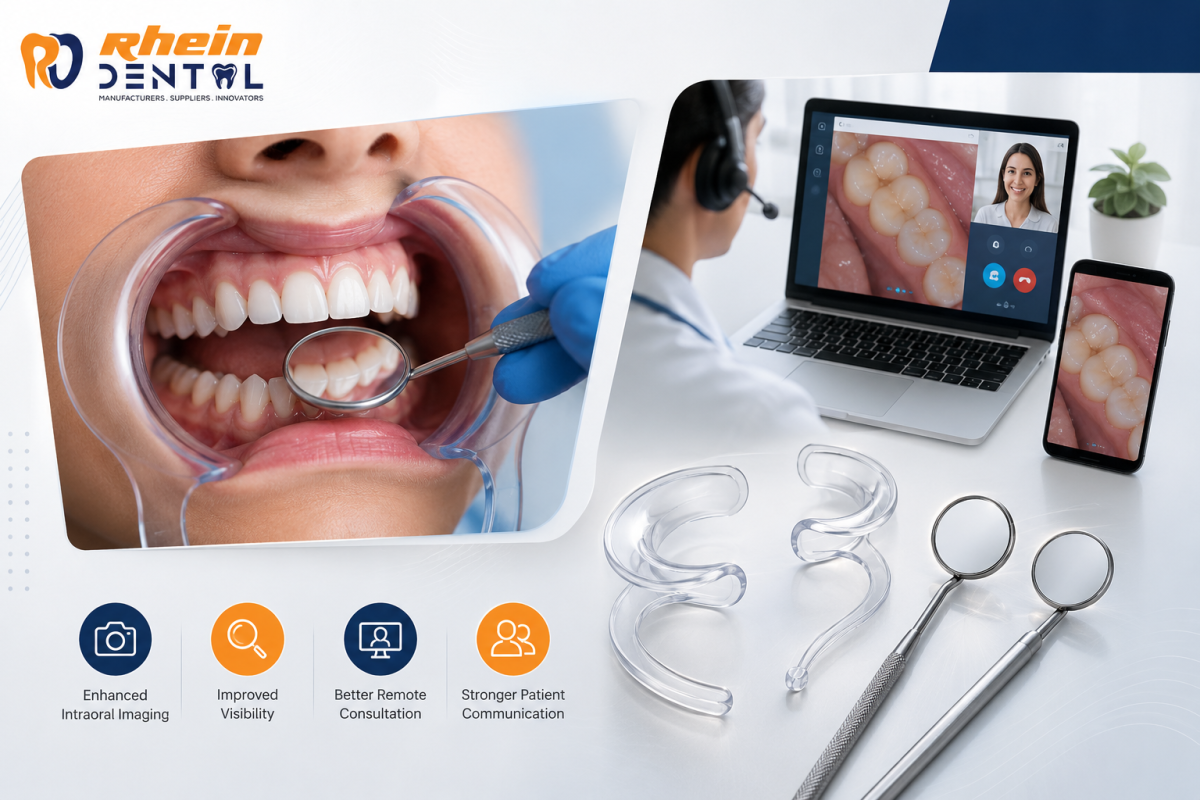
Modern dentistry increasingly depends on accurate visual documentation. From treatment planning to patient education, high-quality intraoral images have become essential in everyday clinical practice. As teledentistry continues to grow, dental professionals also require reliable tools that improve image clarity, visibility, and diagnostic communication. Among the most important instruments used during intraoral photography are cheek retractors […]
Tag Archives: #DentalInstruments
Dental Instruments Blog
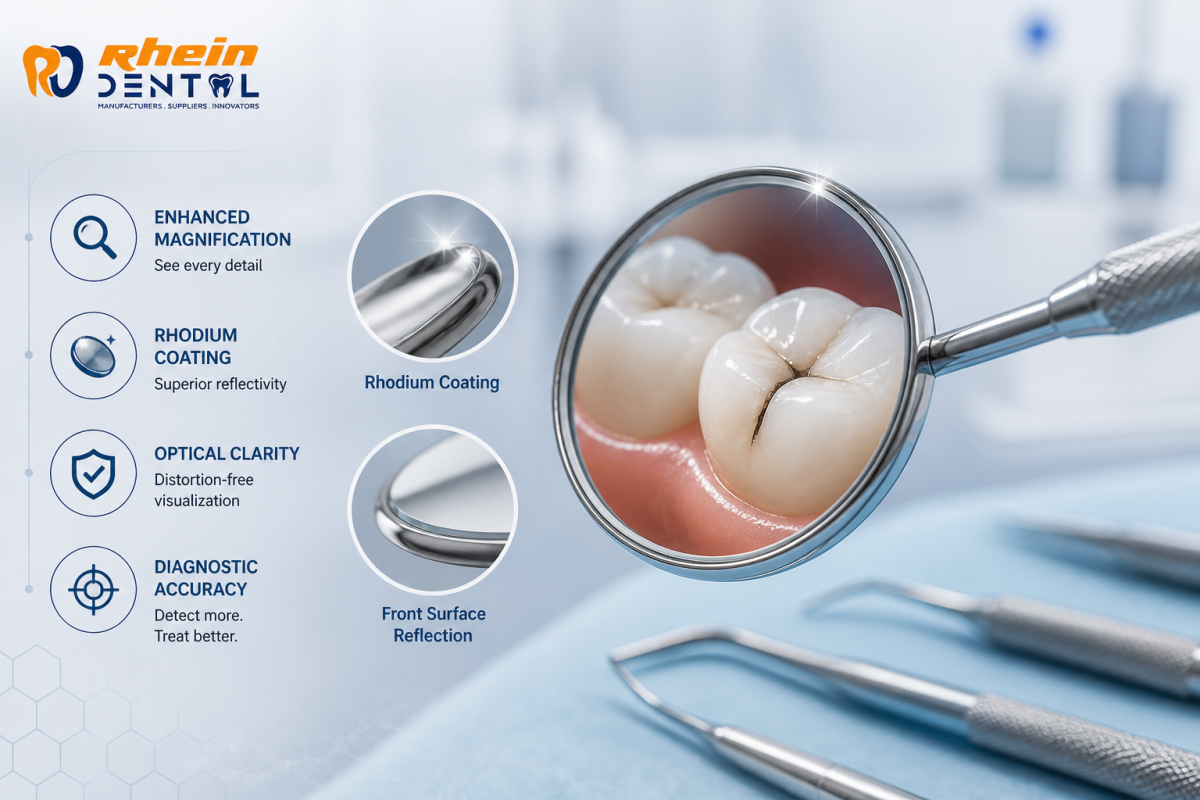
Dental Mirror Magnification and Rhodium Coating: How Optical Clarity Influences Diagnostic Accuracy
06
May
May
In modern dentistry, precision begins with what the clinician can clearly see. Among all diagnostic tools, the humble dental mirror plays a surprisingly powerful role. Its design—particularly magnification capability and rhodium coating directly affects optical clarity, and therefore, diagnostic accuracy. When visibility improves, decision-making becomes more reliable, treatment outcomes improve, and patient care reaches a […]
Surgical Instruments Blog
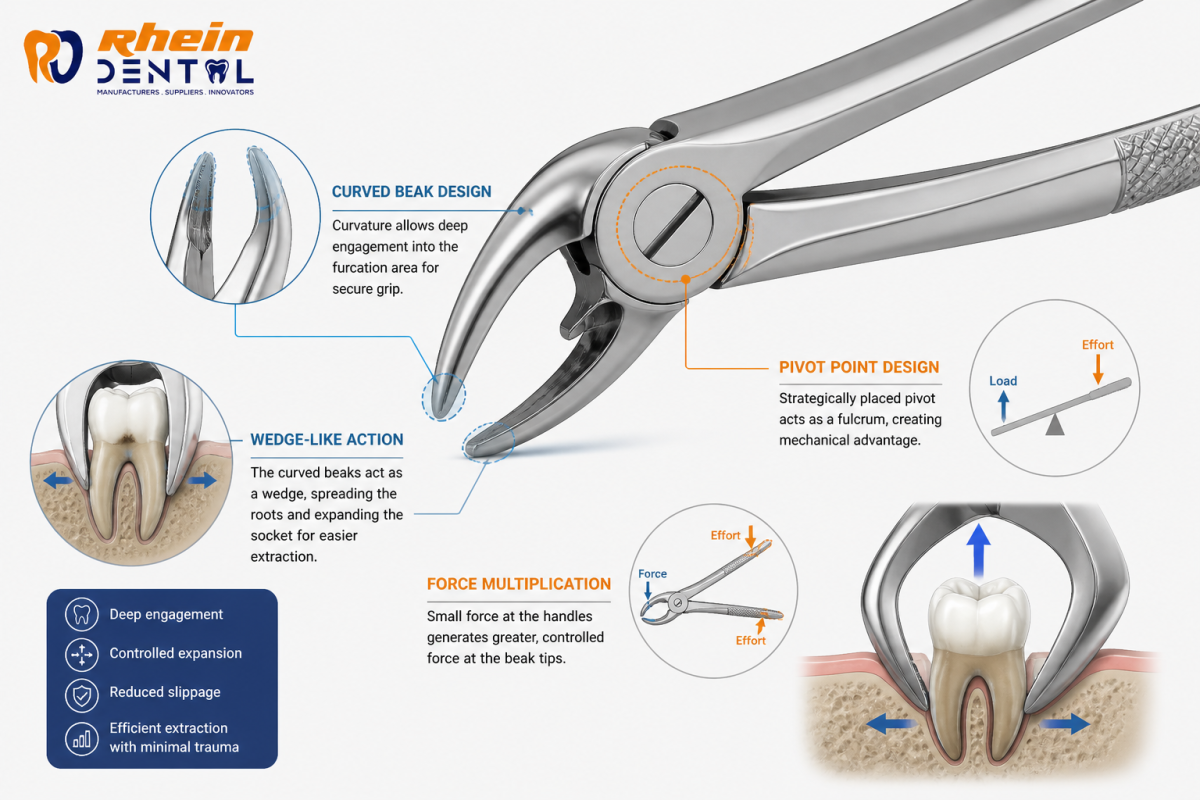
Cowhorn Forceps Mechanics: How Beak Curvature and Pivot Point Design Generate Controlled Extraction Force
05
May
May
Dental extraction is not just about force. Instead, it depends on controlled biomechanics, precision, and proper instrument design. Among extraction instruments, Cowhorn forceps stand out because they combine mechanical efficiency with anatomical adaptability. Moreover, their design helps clinicians manage difficult molar extractions with greater control and reduced trauma (Cowhorn Forceps Mechanics). What Are Cowhorn Forceps? […]
Surgical Instruments Blog
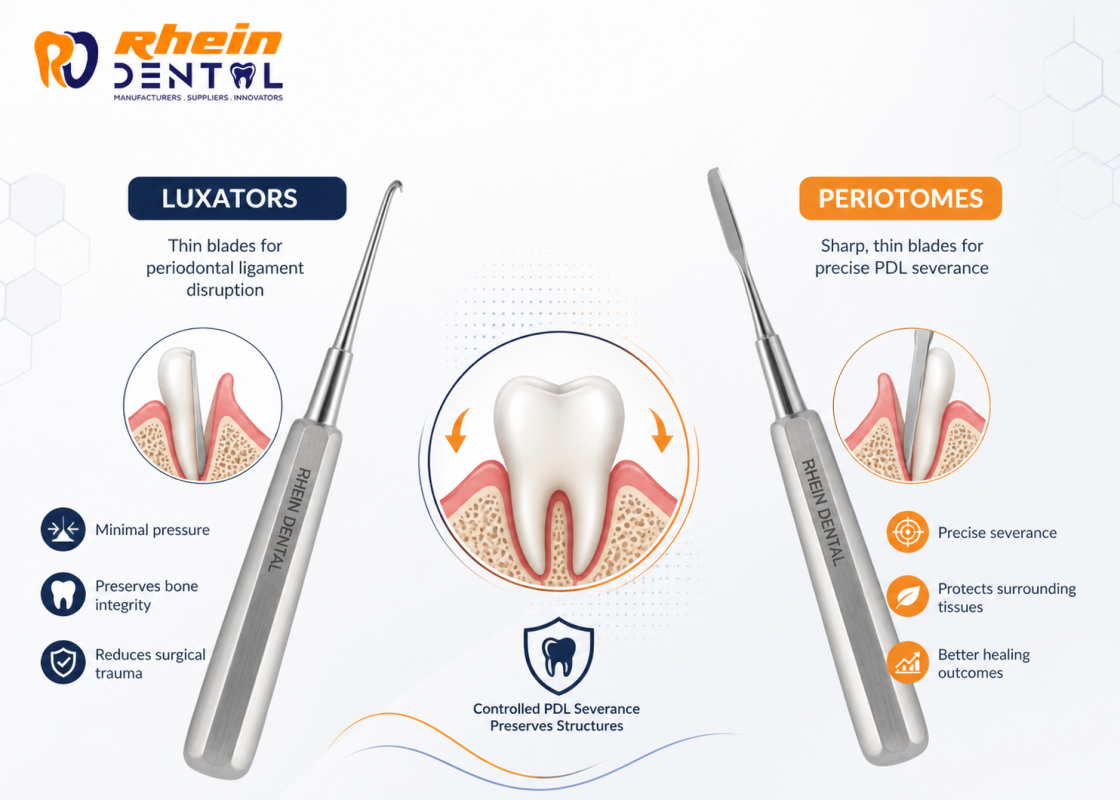
Luxators vs. Periotomes: How Thin Blades and Controlled PDL Severance Reduce Surgical Trauma
04
May
May
Modern dental extraction is no longer about force it is about precision, tissue preservation, and biomechanical control. As minimally invasive dentistry continues to evolve, instruments like luxators and periotomes have become essential for reducing surgical trauma during tooth removal (Luxators vs periotomes). Although both tools are designed to sever the periodontal ligament (PDL), their structure, […]
Surgical Instruments Blog
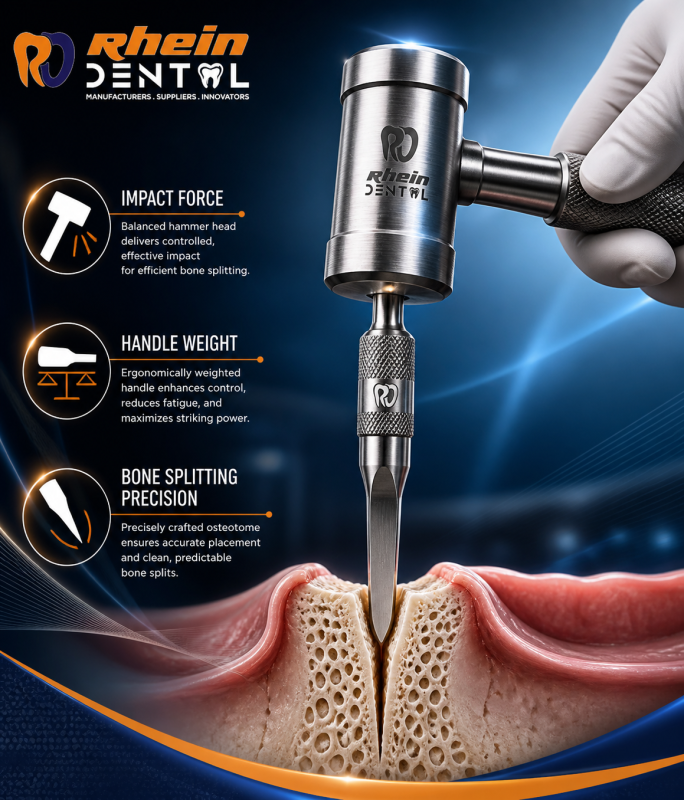
Surgical Hammer and Osteotome Pairing: Impact Force, Handle Weight, and Bone Splitting Precision
01
May
May
A surgical hammer and an osteotome never work alone. Together, they form a single mechanical system. Get the pairing wrong too heavy a hammer, too light an osteotome, or a mismatched strike angle and you risk uncontrolled bone fracture instead of a clean, predictable split. Get it right, and the two instruments transfer force exactly […]
Dental Instruments Blog
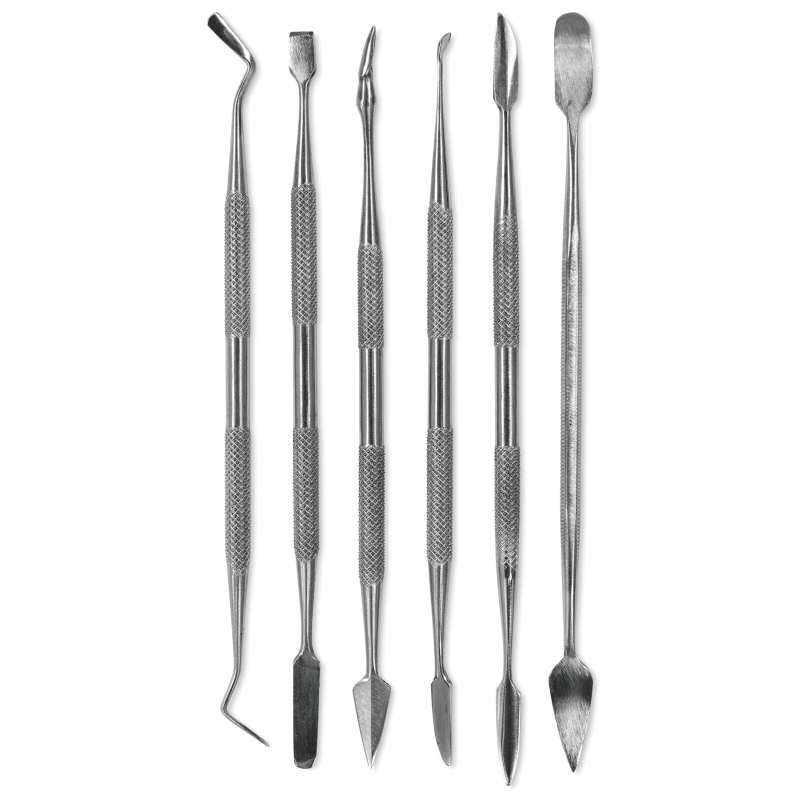
Wax Carving Tools: Understanding Different Blade Shapes for Anatomical Wax-Up.
24
Apr
Apr
Creating a precise and lifelike anatomical wax-up is both an art and a science. Whether you’re working in prosthodontics, restorative dentistry, or lab-based crown and bridge work, the wax carving tools you choose and more importantly, their blade shapes play a crucial role in achieving accuracy, symmetry, and natural tooth morphology (Wax Carving Tool Blade […]
Surgical Instruments Blog
Wire Holding Instruments: How Mathieu Forceps Improve Efficiency in Wire Placement.

23
Apr
Apr
In modern dental and orthodontic procedures, precision and speed are equally critical. Whether you’re placing ligature wires, securing archwires, or handling delicate components, the right wire holding instrument can make a noticeable difference. Among the most trusted tools in this category, Mathieu forceps stand out for their efficiency, control, and ergonomic design. This article explores […]
Surgical Instruments Blog
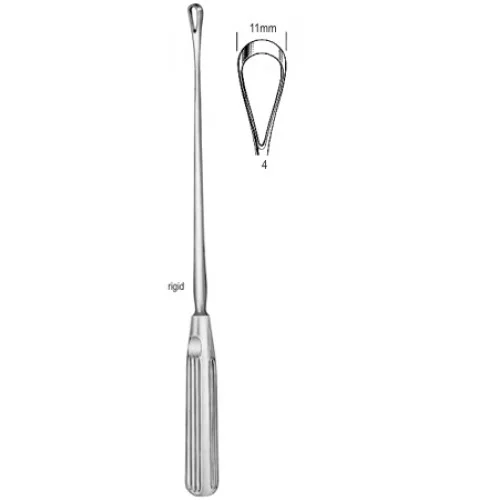
Curettes for Degranulation: Sharp vs. Blunt Edges in Lesion Removal and Socket Cleaning
22
Apr
Apr
Successful healing after extractions, implant placement, or periodontal surgery starts with one critical step: thorough degranulation. Removing infected, inflamed, or necrotic tissue from a socket or lesion site ensures a clean biological environment for regeneration. The choice of instrument particularly sharp vs. blunt curettes plays a major role in how effectively and safely this is […]
Dental Instruments Blog
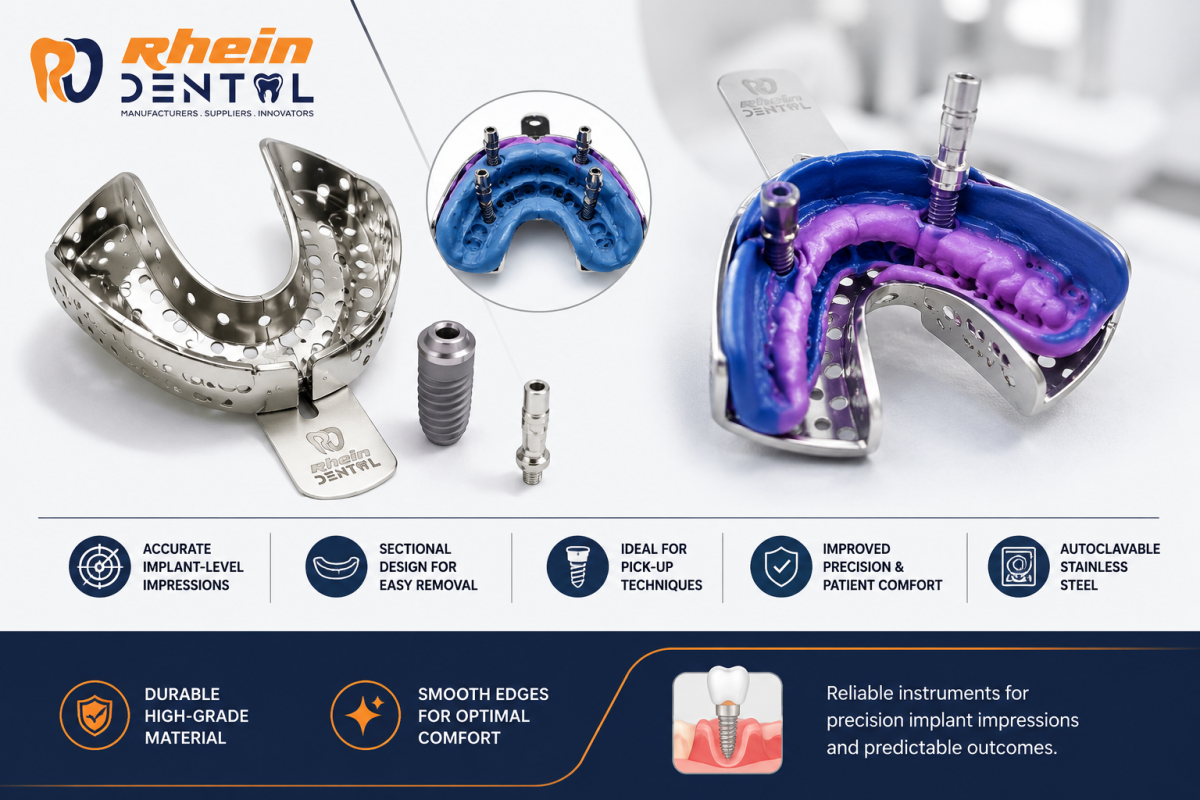
Sectional Impression Trays: Benefits in Implant-Level Impressions and Pick-Up Techniques.
22
Apr
Apr
Precision is everything in implant dentistry. When margins are tight and passive fit is critical, even small distortions in an impression can lead to costly remakes or long-term complications. That’s where sectional impression trays come in a smart, practical solution for improving accuracy, especially in complex implant cases and pick-up techniques (Suctional Impression Trays). What […]
Orthodontic Instruments Blog
Tweed Loop Pliers: Specialized Design for Consistent Closing Loop Formation.

21
Apr
Apr
Orthodontic precision often comes down to the smallest details and loop formation is one of them. When shaping closing loops for space management or adjusting archwires for controlled tooth movement, consistency becomes critical. Tweed Loop Pliers address this need by delivering predictable, repeatable results without compromising wire integrity. What Are Tweed Loop Pliers? Tweed Loop […]