
Orthodontic treatment depends on precision, consistency, and control. While brackets and archwires receive much of the attention, the instruments used to shape and adjust these wires are equally important. Among these essential orthodontic instruments, Archwire Forming Pliers play a critical role in creating customized wire bends that ensure effective tooth movement and patient comfort.
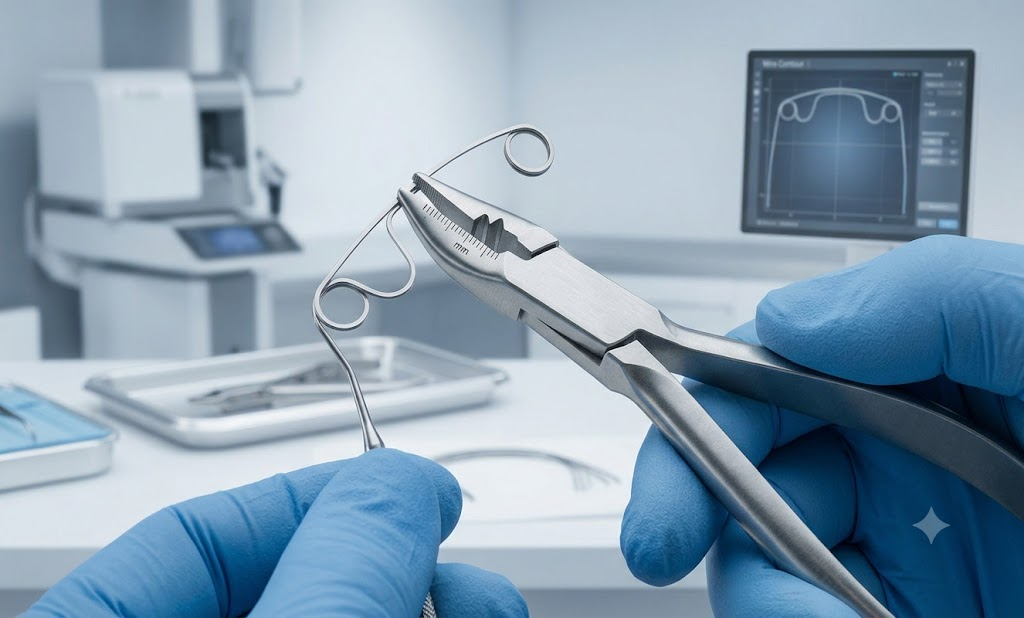
Whether you’re an orthodontist, dental student, clinic owner, or distributor searching for premium orthodontic pliers, understanding the purpose and applications of archwire forming pliers can help improve treatment outcomes while increasing efficiency during orthodontic procedures.
In this comprehensive guide, we’ll explore everything you need to know about archwire forming pliers, including their features, applications, types, benefits, maintenance, and tips for choosing the right instrument.
What Are Archwire Forming Pliers?
Archwire Forming Pliers are specialized orthodontic instruments designed to bend, contour, loop, and shape orthodontic archwires with exceptional precision. They allow orthodontists to customize archwires according to each patient’s treatment plan without damaging the wire surface.
These pliers are commonly used with:
- Stainless steel archwires
- Nickel Titanium (NiTi) wires
- Beta Titanium (TMA) wires
- Multistranded wires
- Rectangular and round orthodontic wires
Their carefully engineered beaks enable clinicians to create precise bends while maintaining the structural integrity of the wire.
Why Are Archwire Forming Pliers Important?
Every orthodontic case is unique. Standard archwires often require modifications to achieve ideal tooth positioning.
Archwire forming pliers help clinicians create:
- First-order bends
- Second-order bends
- Third-order adjustments
- Torque control
- Finishing bends
- Closing loops
- Offset bends
- Step bends
These adjustments significantly improve appliance performance and treatment accuracy.
Key Features of Archwire Forming Pliers
High-quality archwire forming pliers are manufactured with several advanced features that improve precision and durability.
Precision-Machined Working Tips
The beaks are carefully shaped to create smooth and accurate bends without flattening or scratching orthodontic wires.
Premium Stainless Steel Construction
Most professional orthodontic pliers are manufactured from high-grade surgical stainless steel, providing:
- Corrosion resistance
- Long service life
- High strength
- Excellent wear resistance
Ergonomic Handles
Comfortable handles reduce operator fatigue during lengthy orthodontic procedures.
Smooth Box Joint
A precision box joint ensures:
- Stable movement
- Better alignment
- Consistent bending force
- Longer instrument lifespan
Satin Finish
Many premium instruments feature a matte finish that minimizes glare under dental operating lights.
Common Uses of Archwire Forming Pliers
Orthodontists use these pliers throughout various stages of treatment.
1. Contouring Archwires
The primary function is to contour archwires according to individual patient arch forms.
This ensures:
- Better bracket engagement
- Improved force distribution
- Enhanced treatment efficiency
2. Creating Loop Designs
Many orthodontic mechanics require loops for controlled tooth movement.
Archwire forming pliers help fabricate:
- Closing loops
- Open loops
- T-loops
- Vertical loops
- Omega loops
3. Making Offset Bends
Offset bends improve bracket positioning and compensate for anatomical variations.
4. Finishing Adjustments
During finishing stages, clinicians often need minor wire modifications for ideal occlusion.
Archwire forming pliers allow extremely precise finishing bends.
5. Torque Adjustments
Certain forming pliers assist in adding torque to rectangular archwires.
Proper torque helps achieve:
- Better root positioning
- Improved bite correction
- Stable treatment results
Types of Archwire Forming Pliers
Different orthodontic procedures require different plier designs.
Bird Beak Pliers
One conical beak and one flat beak.
Best for:
- Loops
- Circular bends
- Springs
- General wire shaping
Three-Prong Pliers
Ideal for:
- Sharp bends
- Offset bends
- Step bends
Provides excellent control while preventing wire distortion.
Loop Forming Pliers
Designed specifically for creating consistent orthodontic loops with uniform dimensions.
Jarabak Pliers
Commonly used for:
- Precision loop formation
- Intricate wire adjustments
- Advanced orthodontic mechanics
Tweed Arch Forming Pliers
Designed to produce accurate archwire contours and finishing bends.
Materials Compatible with Archwire Forming Pliers
Modern orthodontic pliers can shape various wire materials.
Stainless Steel
- High strength
- Excellent precision
- Ideal for finishing bends
Nickel Titanium (NiTi)
Requires gentle bending due to shape memory characteristics.
Beta Titanium (TMA)
Provides excellent formability for customized mechanics.
Multi-Stranded Wires
Used during early treatment stages where flexibility is required.
Advantages of Using Archwire Forming Pliers
Exceptional Precision
Accurate bends improve appliance effectiveness.
Better Treatment Outcomes
Customized wire adjustments allow more controlled tooth movement.
Increased Efficiency
Clinicians can make adjustments chairside without replacing the entire archwire.
Reduced Patient Discomfort
Smooth wire modifications reduce irritation inside the mouth.
Long-Term Durability
Premium stainless steel construction ensures years of reliable performance.
Improved Orthodontic Control
Proper wire shaping enhances:
- Torque control
- Rotation correction
- Tooth alignment
- Arch coordination
How to Use Archwire Forming Pliers Correctly
Following proper technique ensures optimal results.
Step 1
Select the appropriate forming plier based on the required bend.
Step 2
Mark the desired bending location.
Step 3
Position the wire accurately within the plier beaks.
Step 4
Apply steady, controlled pressure.
Avoid sudden force that may fracture the wire.
Step 5
Verify the bend before placing the wire into the brackets.
Common Mistakes to Avoid
Even experienced clinicians should avoid:
- Excessive bending pressure
- Repeated bending at the same point
- Using damaged pliers
- Using incorrect plier types
- Twisting NiTi wires excessively
- Poor instrument maintenance
These mistakes can weaken orthodontic wires and compromise treatment.
How to Maintain Archwire Forming Pliers
Proper maintenance extends instrument life.
Clean After Every Procedure
Remove debris immediately after use.
Ultrasonic Cleaning
Use approved enzymatic cleaning solutions.
Lubricate Joints
Apply instrument lubricant regularly.
Sterilize Properly
Autoclave according to manufacturer recommendations.
Inspect Frequently
Check for:
- Loose joints
- Misaligned tips
- Surface damage
- Corrosion
Choosing the Best Archwire Forming Pliers
When purchasing orthodontic pliers, consider:
Material Quality
Choose surgical-grade stainless steel.
Precision Manufacturing
Proper alignment ensures accurate bends.
Ergonomic Design
Comfort improves clinical performance.
Smooth Joint Mechanism
Box joints generally provide greater stability than lap joints.
Sterilization Compatibility
Ensure the pliers withstand repeated autoclave cycles.
Manufacturer Reputation
Purchase from reputable manufacturers known for precision orthodontic instruments.
Applications Beyond Routine Orthodontics
Archwire forming pliers are also useful for:
- Complex orthodontic mechanics
- Finishing and detailing
- Orthodontic laboratory work
- Educational training
- Retainer wire adjustments
- Appliance fabrication
Why Quality Matters
Orthodontic treatment relies on accuracy measured in fractions of a millimeter. Even a slight error in wire bending can affect tooth movement, treatment duration, and patient comfort. Investing in high-quality ensures consistent performance, minimizes wire damage, and supports predictable clinical outcomes. Precision-crafted instruments also improve workflow efficiency and withstand repeated sterilization, making them a valuable long-term investment for any orthodontic practice.
Final Thoughts
They are indispensable tools in modern orthodontics. From shaping simple arch forms to creating complex loops and finishing bends, these instruments give orthodontists the precision needed to deliver predictable, efficient, and comfortable treatment.
Selecting high-quality, ergonomically designed pliers made from premium surgical stainless steel not only enhances clinical performance but also improves instrument longevity. Whether you’re establishing a new orthodontic clinic, upgrading your instrument set, or sourcing reliable products for distribution, investing in precision contributes to better treatment accuracy and long-term value.
Frequently Asked Questions
What are archwire forming pliers used for?
They are used to bend, contour, and shape orthodontic archwires for customized tooth movement during orthodontic treatment.
Can they be used on NiTi wires?
Yes, although NiTi wires require gentle handling because of their superelastic and shape-memory properties.
Are archwire forming pliers reusable?
Yes. High-quality stainless steel pliers are reusable after proper cleaning, lubrication, and sterilization.
Which orthodontic pliers are best for making loops?
Loop forming pliers, Bird Beak pliers, and Jarabak pliers are commonly used for creating orthodontic loops.
How long do orthodontic pliers last?
With proper maintenance, premium orthodontic pliers can provide many years of reliable clinical performance.