
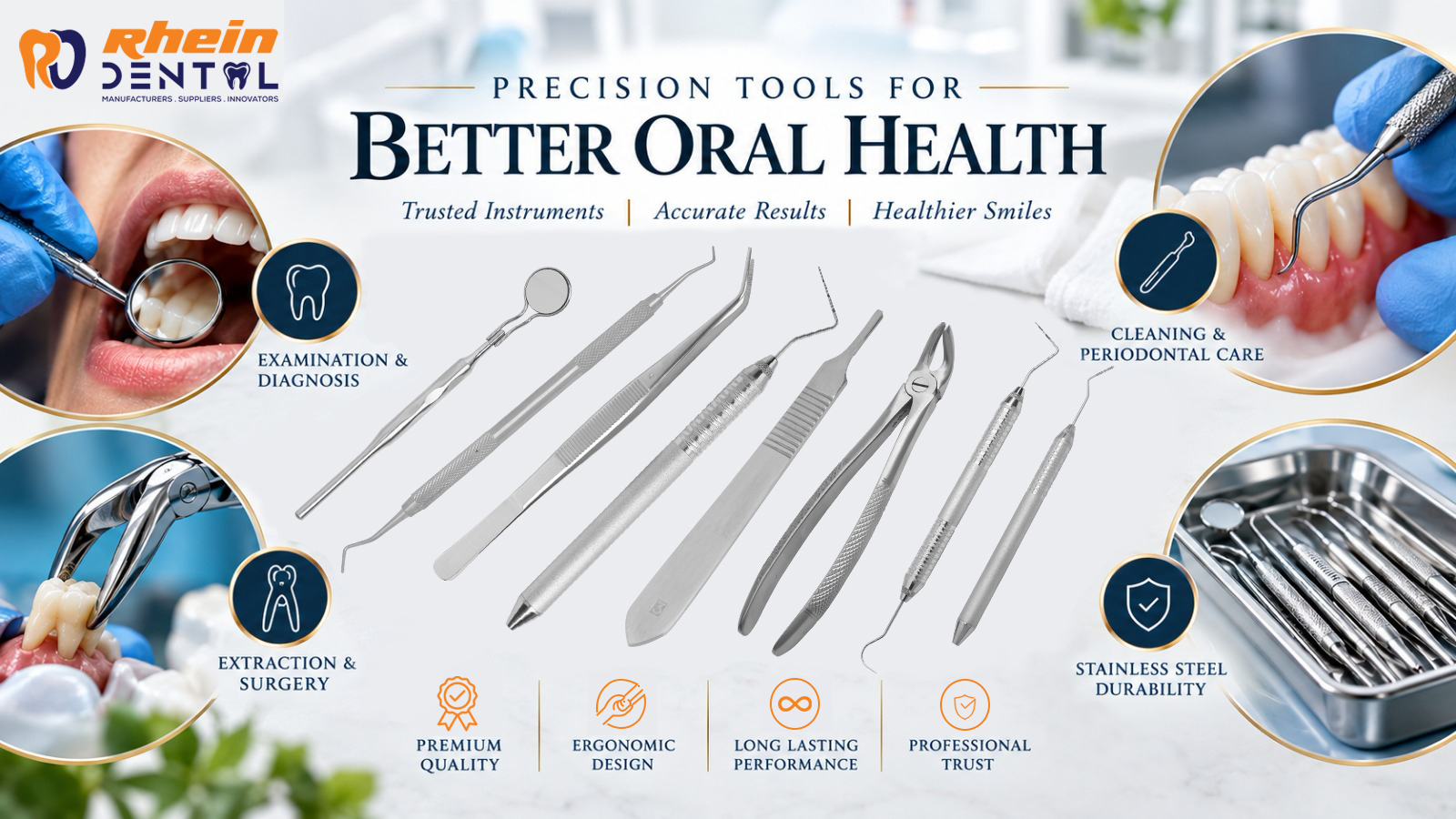
Rhein Dental Dental Forcep 150 and the Extracting Forceps Range: Article RD-ID-12-0017 A practical guide for surgeons, distributors and wholesalers to extracting forceps dental patterns, from the dental forcep 150 and 151 to Ash, cowhorn, 88L and 65, with the full specification of Rhein Dental article RD-ID-12-0017. Article No. RD-ID-12-0017 Extracting Forceps Autoclavable In this […]
Category Archives: Dental Instruments Blog
Explore in-depth guides on dental instruments, tools, and equipment. This blog covers general dentistry, endodontics, periodontics, prosthodontics, and restorative treatments. You’ll find guides on mirrors, explorers, and probes. We also cover scalers, curettes, and composite placement instruments. Amalgam carriers, porcelain condensers, and endodontic files are included too. Each guide compares materials, grades, designs, and trusted brands. Learn proper sterilization techniques and autoclave best practices. Discover instrument maintenance routines that extend tool life. Follow our storage guidelines to prevent cross-contamination. These steps help ensure patient safety in every procedure. Stay updated with the latest dental instrument innovations. We share practical buying guides for clinics and hospitals. Dental laboratories will also find tips for expanding their instrument inventory.
21
Oct
Oct
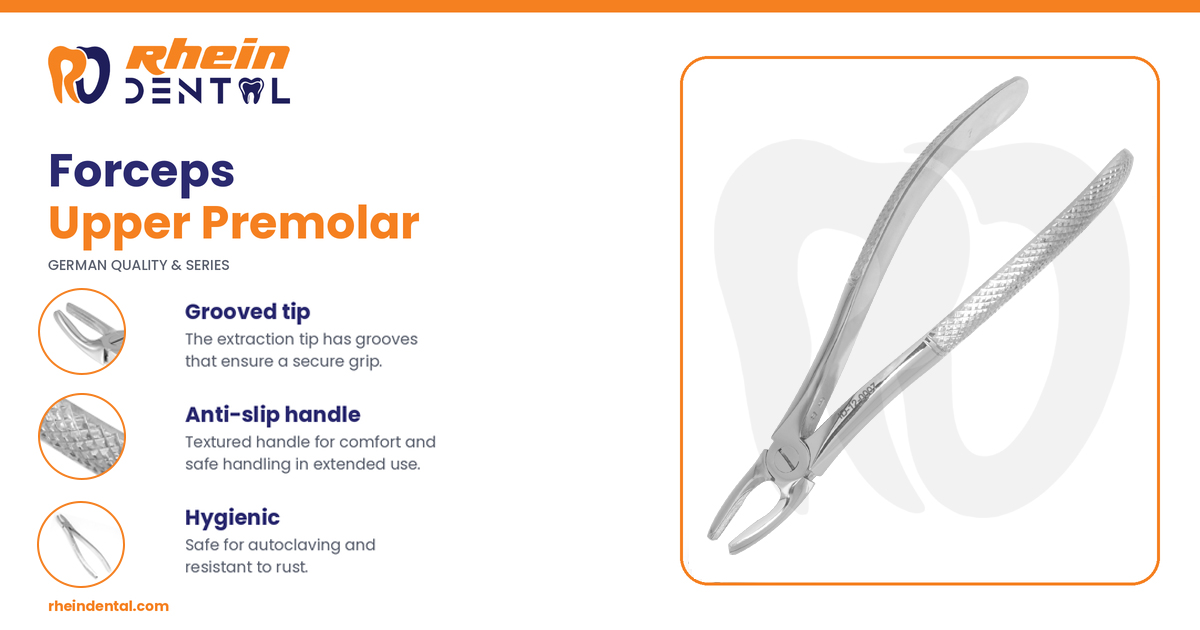
The forceps upper premolar extractions depend on is one of the most commonly stocked instruments in any dental or oral surgery tray. Upper premolars look simple, but their roots are slender, their buccal plates are thin, and a poorly matched instrument can fracture a root in seconds. This guide explains what upper premolar forceps are, […]
Dental Instruments Blog
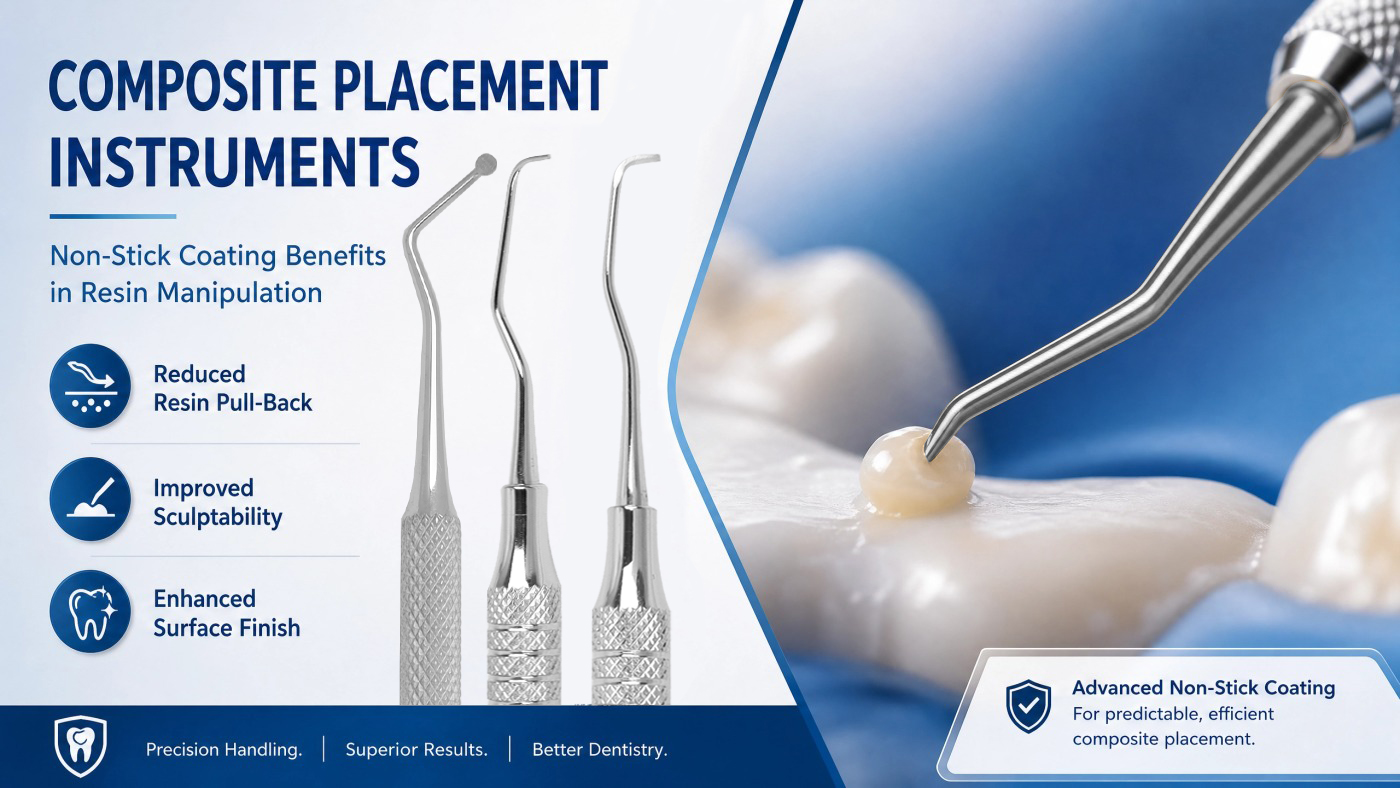
Composite Placement Instruments: Non-Stick Coating Benefits in Resin Manipulation.
18
Jun
Jun
Introduction Composite resin restorations have become the preferred choice for treating both anterior and posterior dental defects due to their excellent aesthetics, durability, and conservative preparation requirements. However, successful composite restorations depend not only on material selection but also on the instruments used during placement. Traditional stainless steel instruments often cause composite resin to stick […]
Dental Instruments Blog
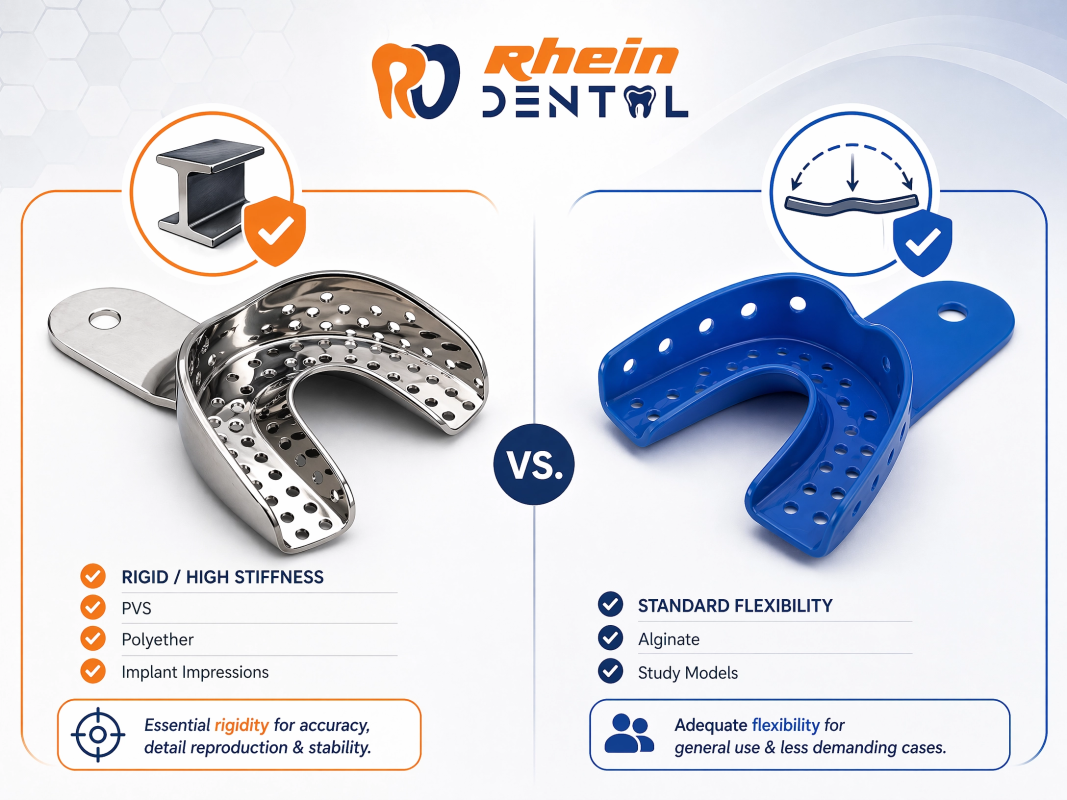
Metal vs. Plastic Impression Trays: Rigidity Requirements for Different Impression Materials.
16
Jun
Jun
Accurate dental impressions are the foundation of successful restorations, crowns, bridges, dentures, and implant-supported prosthetics. While clinicians often focus on impression materials, the impression tray itself plays an equally important role in ensuring dimensional accuracy. One of the most critical factors in tray selection is rigidity (Metal vs. Plastic Impression Trays). The choice between metal […]
12
Jun
Jun
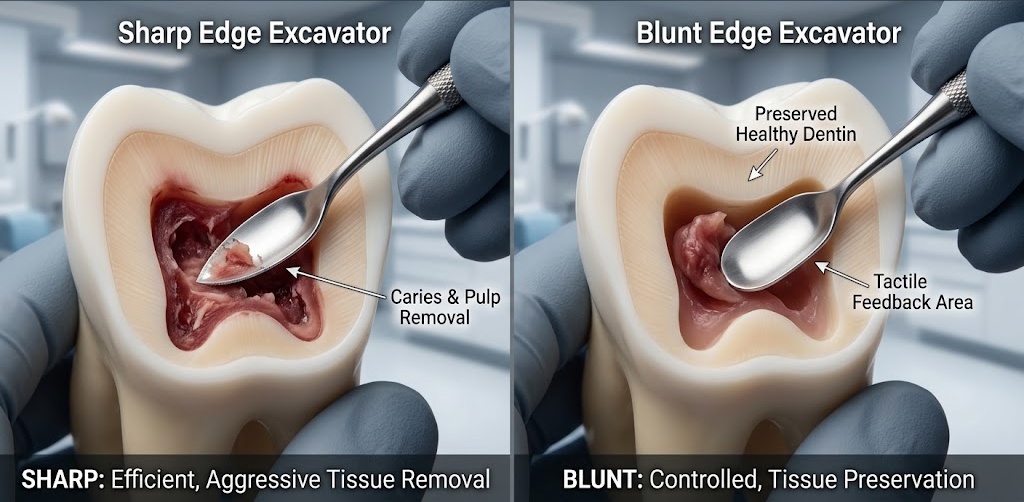
Successful endodontic treatment begins with effective access preparation and thorough pulp chamber cleaning. Among the essential instruments used during this stage, endodontic spoon excavators remain a reliable choice for removing soft tissue remnants, carious dentin, and debris while maintaining procedural control. One of the most important design considerations when selecting a spoon excavator is the […]
Dental Instruments Blog
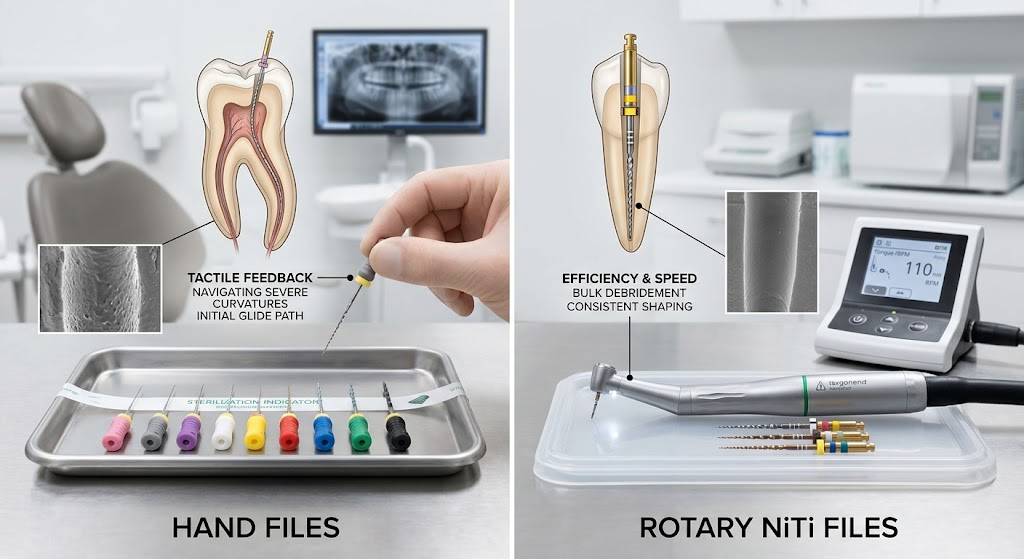
Hand Files vs. Rotary NiTi: When to Use Manual Instruments for Better Canal Control
12
Jun
Jun
Root canal treatment has evolved significantly with the introduction of advanced endodontic instruments. Among the most important decisions clinicians make during canal preparation is choosing between traditional hand files and rotary nickel-titanium (NiTi) systems. While rotary instrumentation has improved speed and efficiency, manual hand files continue to play an essential role in achieving precise canal […]
Dental Instruments Blog
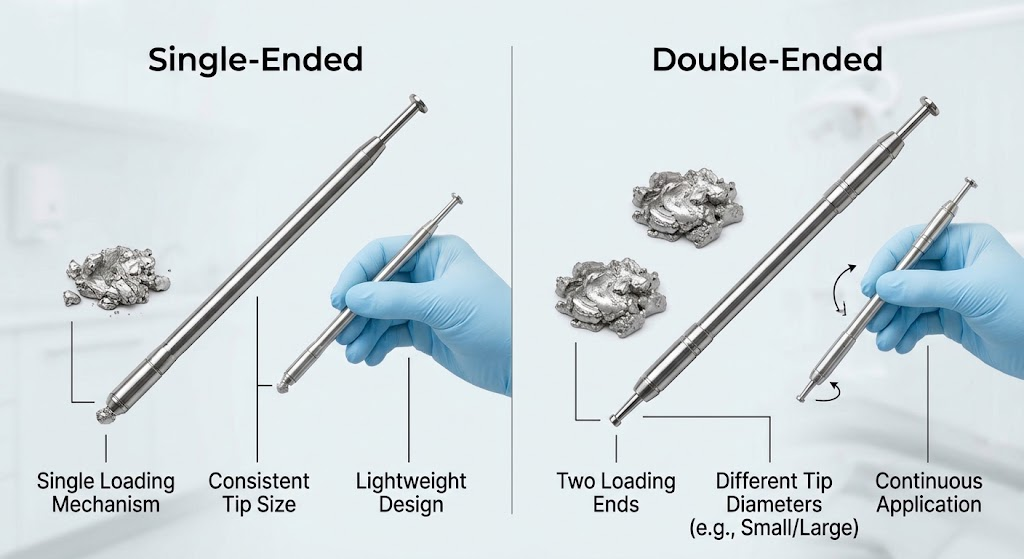
Amalgam Carriers: Single vs. Double-Ended Loading Mechanisms for Efficient Cavity Filling.
11
Jun
Jun
Introduction Precision and efficiency are essential in restorative dentistry. When placing amalgam restorative material into prepared cavities, clinicians rely on specialized instruments that ensure controlled delivery and accurate placement. Among these instruments, amalgam carriers play a vital role in transporting and dispensing amalgam from the mixing well directly into the cavity preparation (Amalgam Carriers Single […]
Dental Instruments Blog
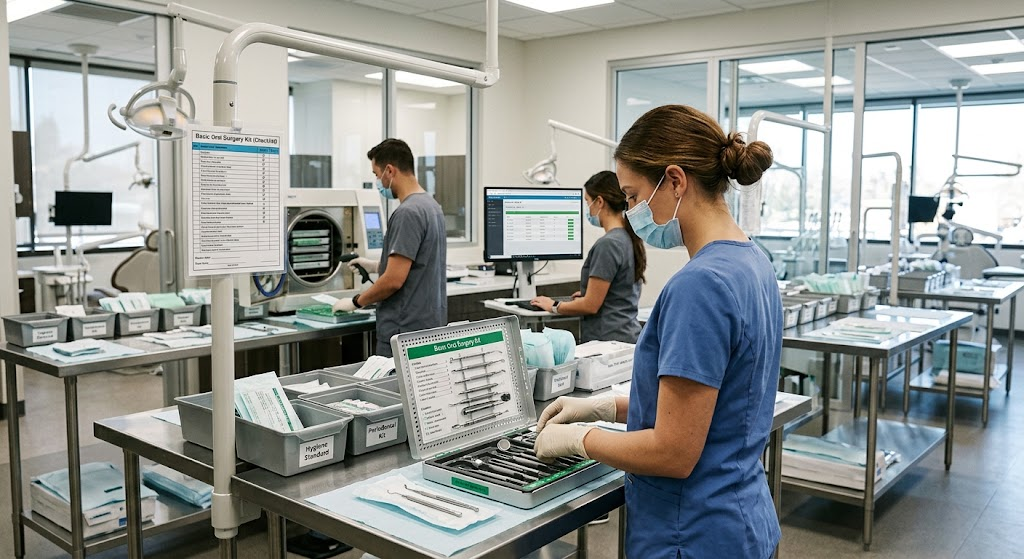
Instrument Set Standardization Across Multi-Chair Clinics: Protocols for Uniform Setup, Tracking, and Replacement
06
Jun
Jun
Introduction As dental practices expand into multi-chair clinics and multi-location networks, maintaining consistency in clinical workflows becomes increasingly challenging. One often-overlooked aspect of operational efficiency is instrument set standardization (Instrument Set Standardization). When treatment rooms are equipped with different instrument combinations, staff members may experience workflow disruptions, increased setup times, inventory confusion, and inconsistent patient […]
Dental Instruments Blog
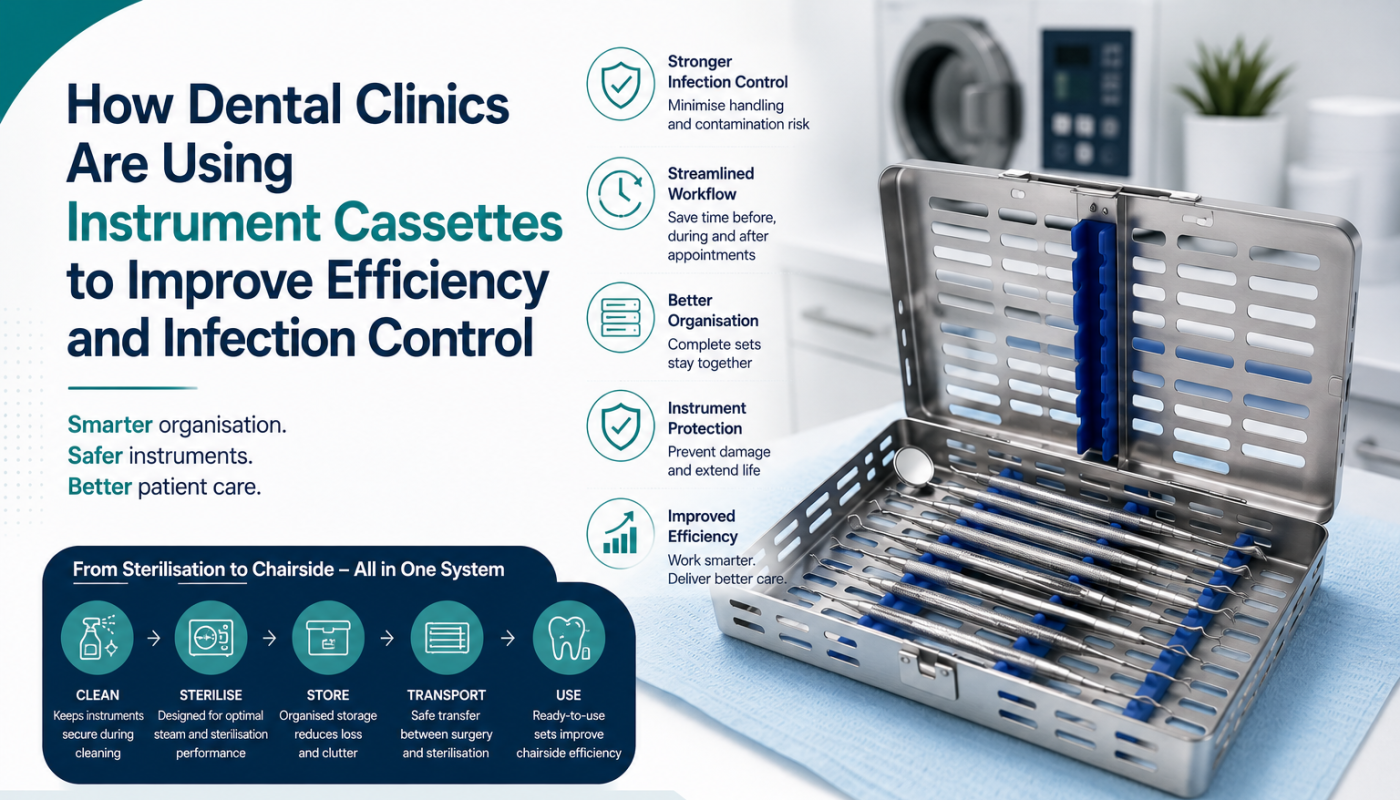
Instrument Cassette Systems and Color-Coded Tray Organization: Streamlining Sterilization Workflows in High-Volume Practices
05
Jun
Jun
Introduction Efficient instrument reprocessing is one of the most critical aspects of modern dental and surgical practice management. In high-volume clinics, where dozens of procedures are performed daily, maintaining instrument organization while ensuring compliance with infection control protocols can be challenging. Delays in instrument preparation, sterilization errors, and misplaced tools can negatively impact productivity, patient […]
Dental Instruments Blog
ISO 13485 and CE Marking in Dental Instrument Manufacturing: What These Certifications Mean for Clinical Safety

05
Jun
Jun
Introduction In modern dentistry, patient safety and clinical precision depend heavily on the quality and reliability of the instruments used during treatment. Whether performing routine examinations, surgical procedures, or complex implant placements, dental professionals rely on instruments that meet strict international quality standards. Two of the most important certifications that demonstrate a manufacturer’s commitment to […]