
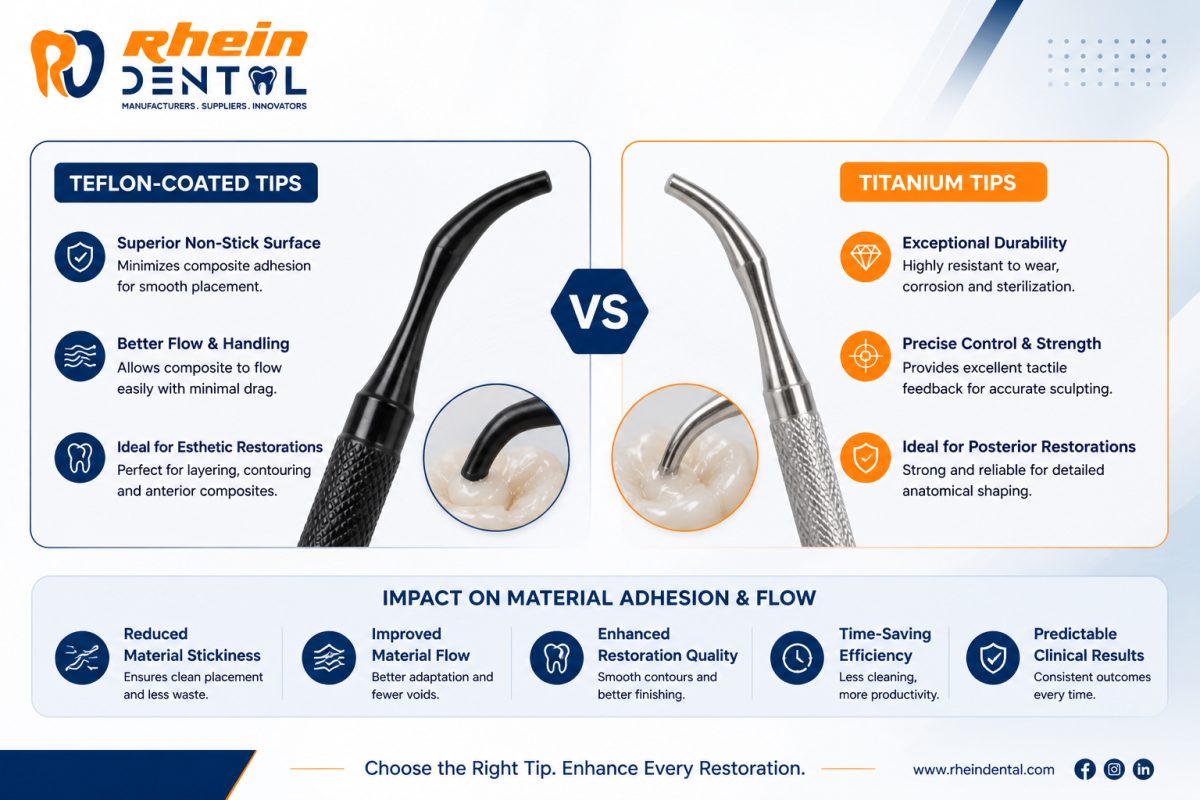
Composite restorations require precision, control, and smooth handling during placement and contouring. While restorative materials continue to evolve, the instruments used to manipulate them remain equally important in achieving predictable clinical outcomes (Composite Placement Instruments). Among modern restorative instruments, Teflon-coated and titanium-tipped composite placement instruments are widely preferred because they minimize sticking, improve handling, and […]
Category Archives: Dental Instruments Blog
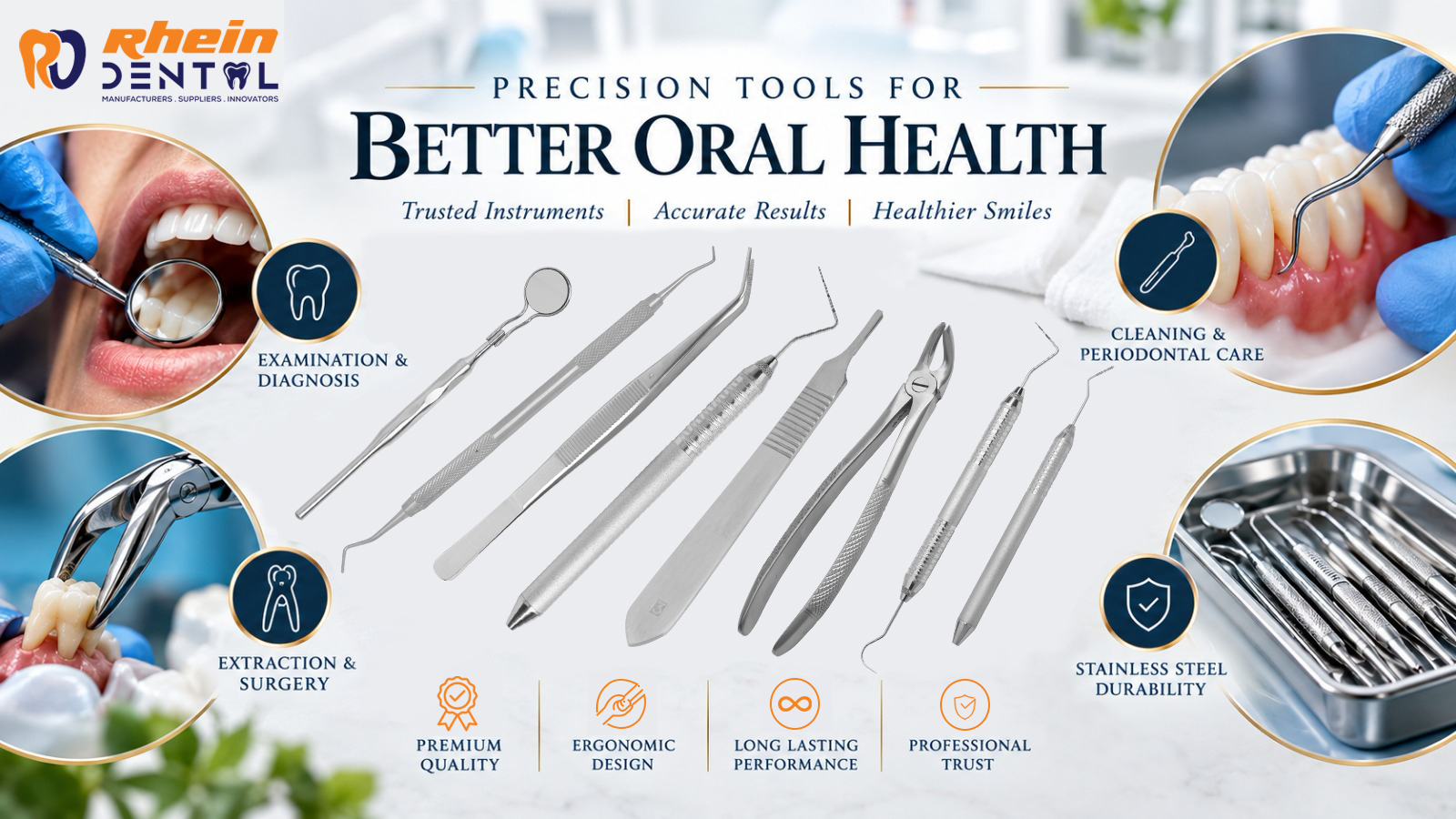
Explore in-depth guides on dental instruments, tools, and equipment. This blog covers general dentistry, endodontics, periodontics, prosthodontics, and restorative treatments. You’ll find guides on mirrors, explorers, and probes. We also cover scalers, curettes, and composite placement instruments. Amalgam carriers, porcelain condensers, and endodontic files are included too. Each guide compares materials, grades, designs, and trusted brands. Learn proper sterilization techniques and autoclave best practices. Discover instrument maintenance routines that extend tool life. Follow our storage guidelines to prevent cross-contamination. These steps help ensure patient safety in every procedure. Stay updated with the latest dental instrument innovations. We share practical buying guides for clinics and hospitals. Dental laboratories will also find tips for expanding their instrument inventory.
Dental Instruments Blog
Dental Mirror Magnification and Rhodium Coating: How Optical Clarity Influences Diagnostic Accuracy
06
May
May
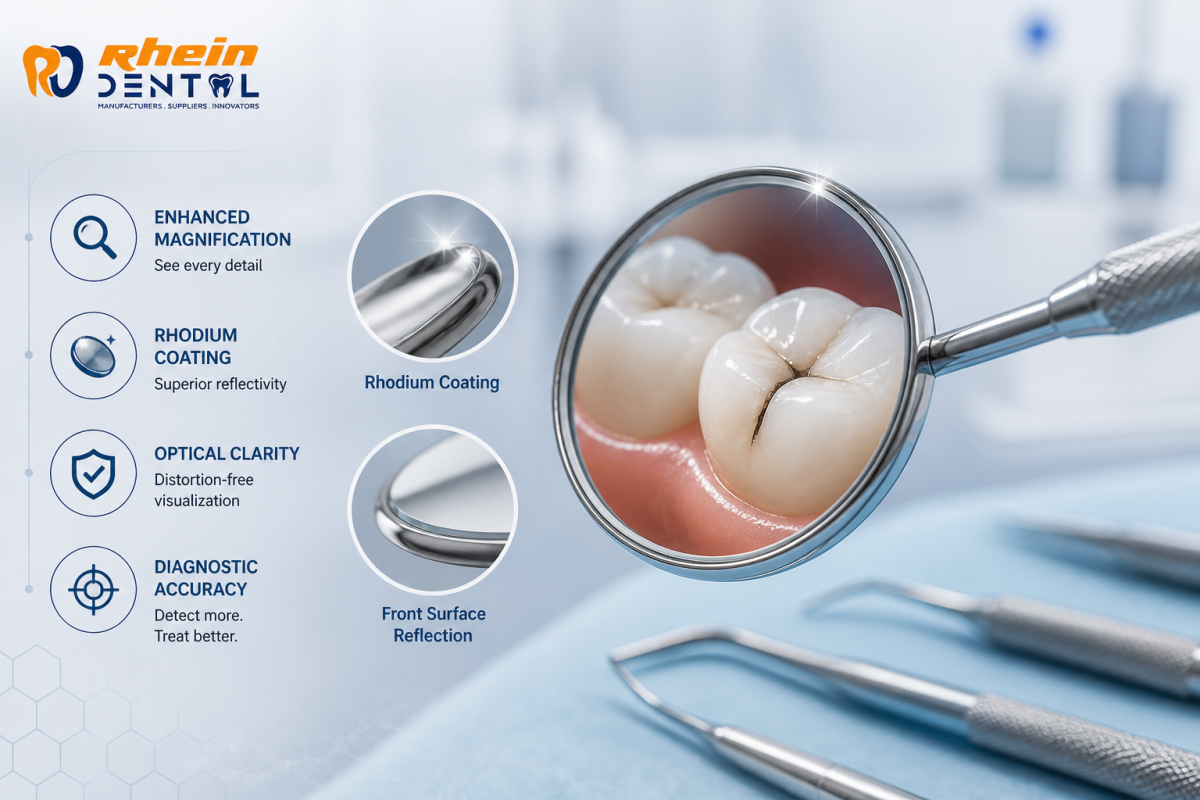
In modern dentistry, precision begins with what the clinician can clearly see. Among all diagnostic tools, the humble dental mirror plays a surprisingly powerful role. Its design—particularly magnification capability and rhodium coating directly affects optical clarity, and therefore, diagnostic accuracy. When visibility improves, decision-making becomes more reliable, treatment outcomes improve, and patient care reaches a […]
Dental Instruments Blog
Instrument Handle Ergonomics: How Hex, Round, and Flat Shanks Affect Fatigue and Torque Control in Long Surgeries

04
May
May
In long surgical procedures, precision isn’t just about skill it’s about endurance. And endurance depends heavily on something many clinicians overlook: instrument handle ergonomics (Instrument Handle Ergonomics). The shape of an instrument shank whether hex, round, or flat directly affects how force is applied, how fatigue builds up, and how much control you maintain over […]
Dental Instruments Blog
Endodontic Rulers and Stops: Precision Measurement Tools for Working Length Determination
28
Apr
Apr
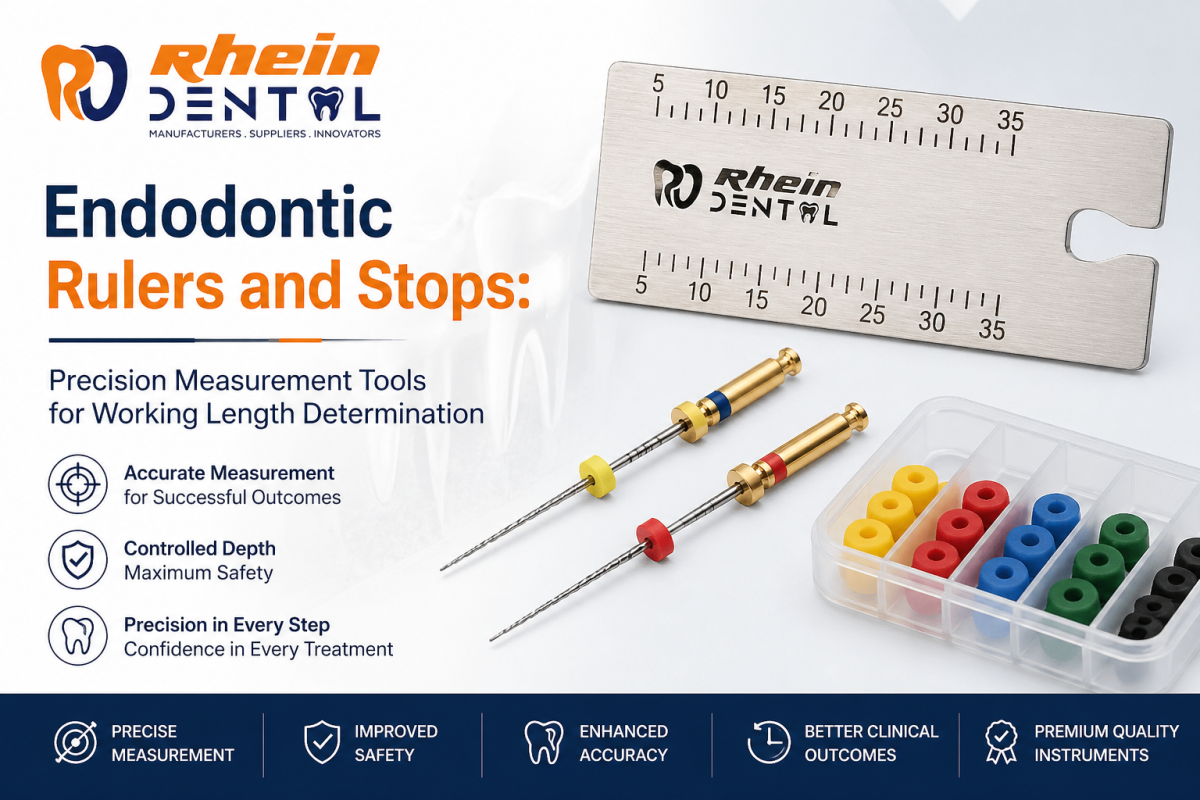
In endodontic treatment, precision is everything. The success of root canal therapy depends heavily on accurate working length determination, as even a small miscalculation can lead to underfilling, over-instrumentation, or treatment failure. This is where endodontic rulers and stops become essential—they provide reliable measurement control that ensures predictable and safe outcomes (Endodontic rulers and stops). […]
Dental Instruments Blog
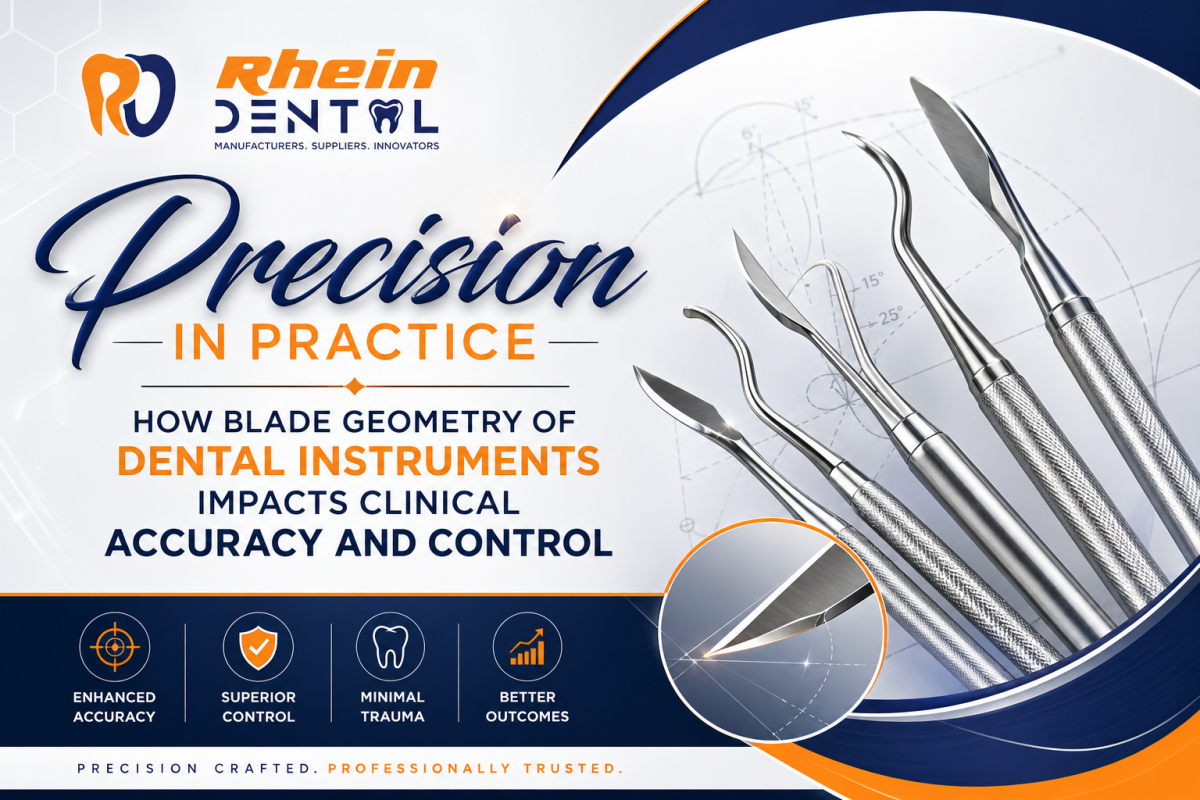
Precision in Practice: How Blade Geometry of Dental Instruments Impacts Clinical Accuracy and Control
28
Apr
Apr
In modern dentistry, precision defines success. Every clinical movement depends not only on skill but also on the engineering behind the instruments being used. Among all design factors, blade geometry plays a decisive role in ensuring accuracy, efficiency, and control during dental procedures. Moreover, understanding blade design helps clinicians select instruments that enhance performance and […]
Dental Instruments Blog
Condensers and Pluggers: Understanding Tip Sizes for Proper Material Compaction

28
Apr
Apr
In restorative and endodontic dentistry, success depends on control control of placement, pressure, and adaptation. Therefore, condensers and pluggers play a vital role in achieving dense, void-free restorations and well-compacted root canal fillings. Although these instruments may seem simple, their tip sizes directly influence clinical outcomes (Condensers and Pluggers Tip sizes). What Are Condensers and […]
27
Apr
Apr
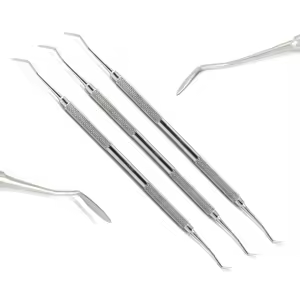
In restorative dentistry, achieving a functional restoration is only part of the goal. The real challenge lies in recreating natural tooth anatomy the subtle grooves, cusps, ridges, and contours that define both aesthetics and occlusion. This is where carvers and sculptors become essential instruments in clinical practice. These tools are not just used to remove […]
Dental Instruments Blog
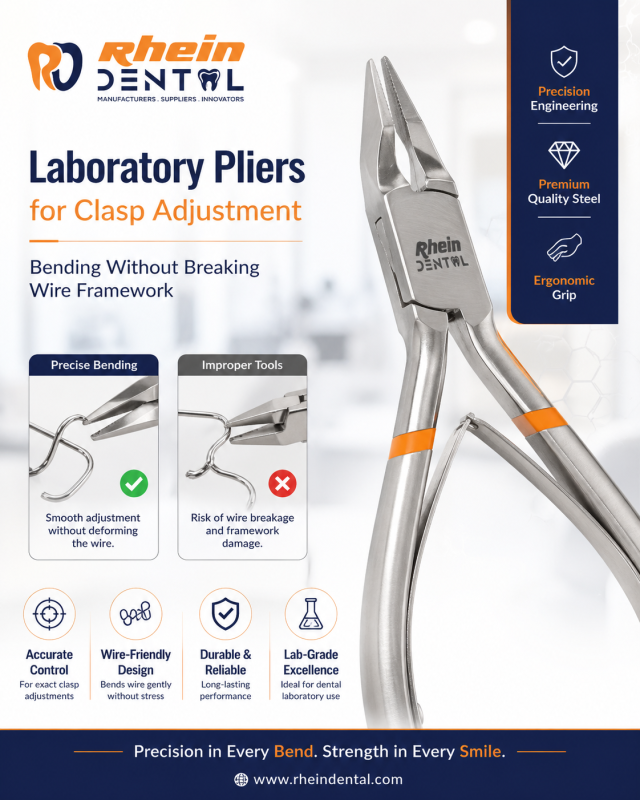
Laboratory Pliers for Clasp Adjustment: Bending Without Breaking Wire Framework.
27
Apr
Apr
In removable prosthodontics, precision isn’t optional it’s everything. One small misstep while adjusting a clasp can compromise retention, distort the framework, or even fracture the wire entirely. That’s where laboratory pliers step in. The right technique, paired with the right instrument, ensures controlled bending without weakening the metal structure (Clasp adjustment pliers). Why Clasp Adjustment […]
Dental Instruments Blog
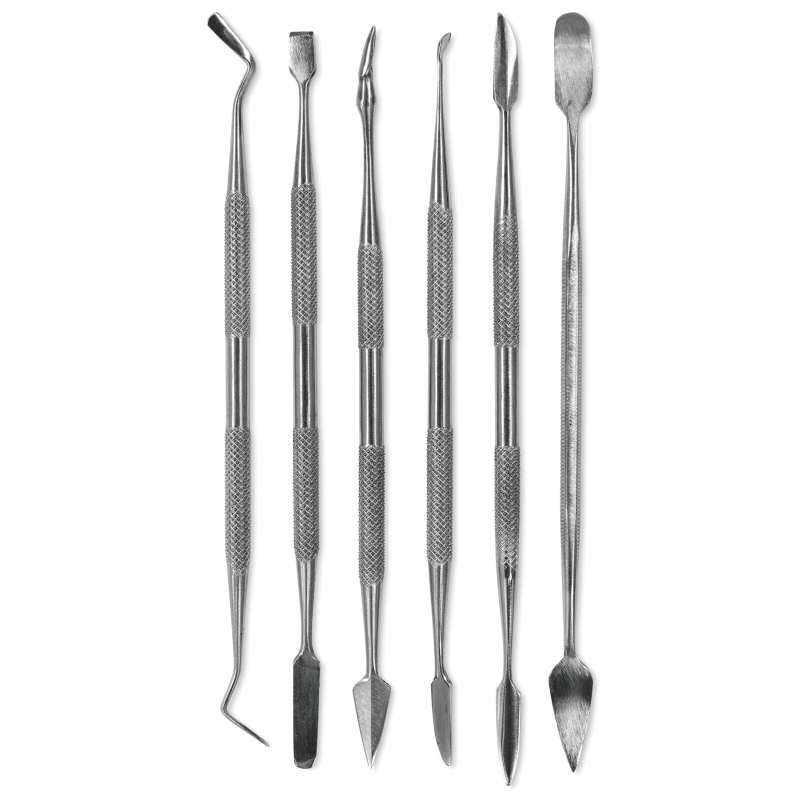
Wax Carving Tools: Understanding Different Blade Shapes for Anatomical Wax-Up.
24
Apr
Apr
Creating a precise and lifelike anatomical wax-up is both an art and a science. Whether you’re working in prosthodontics, restorative dentistry, or lab-based crown and bridge work, the wax carving tools you choose and more importantly, their blade shapes play a crucial role in achieving accuracy, symmetry, and natural tooth morphology (Wax Carving Tool Blade […]
Dental Instruments Blog
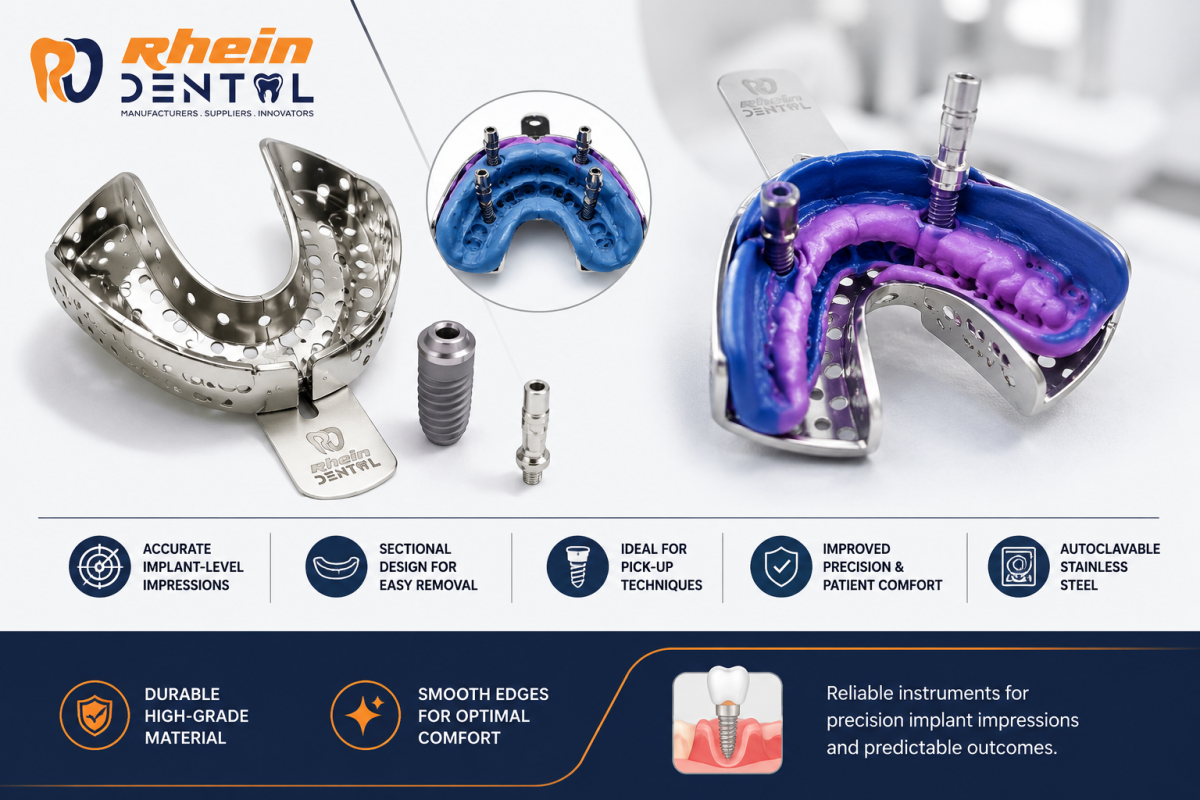
Sectional Impression Trays: Benefits in Implant-Level Impressions and Pick-Up Techniques.
22
Apr
Apr
Precision is everything in implant dentistry. When margins are tight and passive fit is critical, even small distortions in an impression can lead to costly remakes or long-term complications. That’s where sectional impression trays come in a smart, practical solution for improving accuracy, especially in complex implant cases and pick-up techniques (Suctional Impression Trays). What […]