
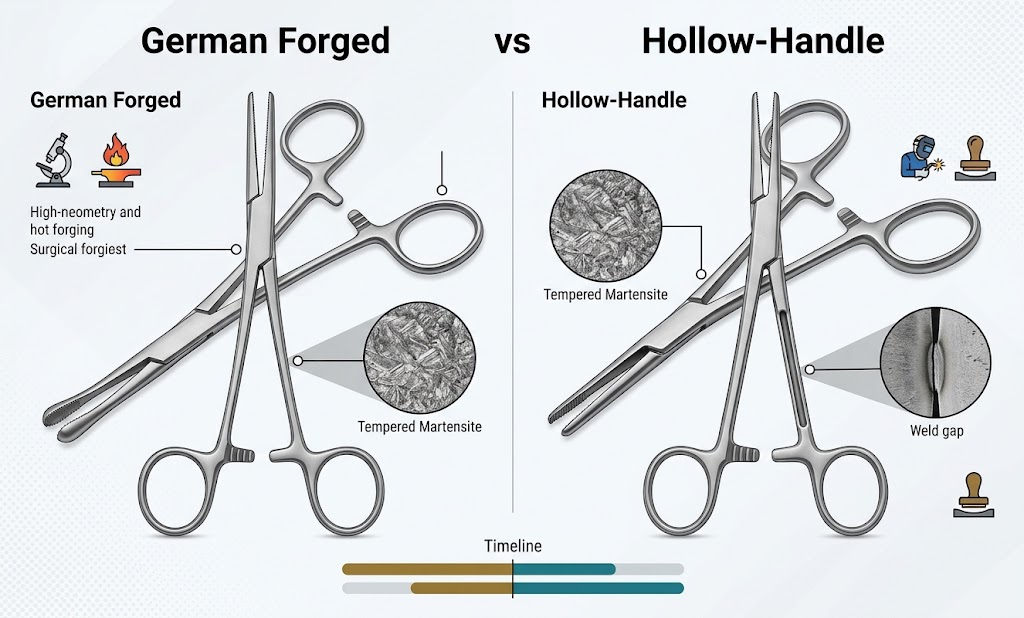
Introduction Dental and surgical instruments are significant investments for any practice. Their performance, durability, and lifespan directly impact clinical efficiency, treatment outcomes, and long-term operational costs. While many clinicians focus on instrument design and ergonomics, the metallurgy behind instrument manufacturing often receives less attention (German Forged vs Hollow-Handle). Among the most commonly compared instrument categories […]
Category Archives: Dental Instruments Blog
Explore in-depth guides on dental instruments, tools, and equipment. This blog covers general dentistry, endodontics, periodontics, prosthodontics, and restorative treatments. You’ll find guides on mirrors, explorers, and probes. We also cover scalers, curettes, and composite placement instruments. Amalgam carriers, porcelain condensers, and endodontic files are included too. Each guide compares materials, grades, designs, and trusted brands. Learn proper sterilization techniques and autoclave best practices. Discover instrument maintenance routines that extend tool life. Follow our storage guidelines to prevent cross-contamination. These steps help ensure patient safety in every procedure. Stay updated with the latest dental instrument innovations. We share practical buying guides for clinics and hospitals. Dental laboratories will also find tips for expanding their instrument inventory.
Dental Instruments Blog
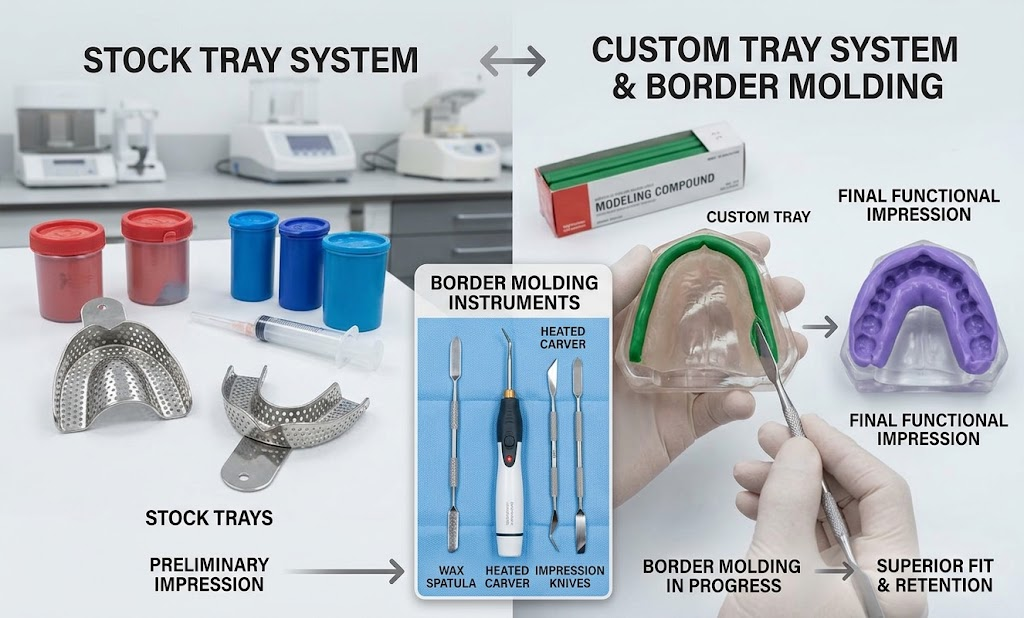
Edentulous Impression Trays: Stock vs. Custom Trays and How Border Molding Instruments Determine Final Fit
22
May
May
In complete denture prosthodontics, the precision of an edentulous impression determines everything that follows retention, stability, comfort, phonetics, and ultimately patient confidence. Even the most meticulously fabricated denture will fail clinically if the foundational impression is inaccurate. Among the most critical decisions during this stage is the selection between stock and custom edentulous impression trays. […]
Dental Instruments Blog
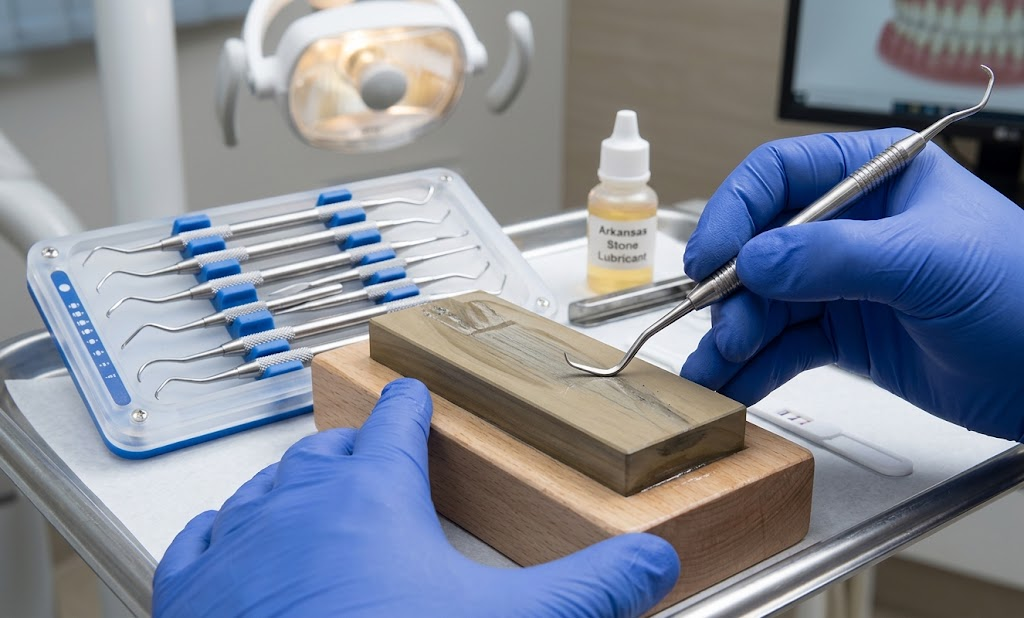
Instrument Sharpening Technique: Maintaining Curette and Scaler Cutting Edges for Consistent Periodontal Therapy Outcomes
15
May
May
In periodontal therapy, precision matters at every stage of treatment. Even the most advanced curettes and scalers lose effectiveness when their cutting edges become dull. Instrument sharpening is not just a maintenance task it is a critical clinical procedure that directly affects treatment efficiency, clinician comfort, and patient outcomes (Instrument Sharpening Technique). Properly sharpened periodontal […]
Dental Instruments Blog
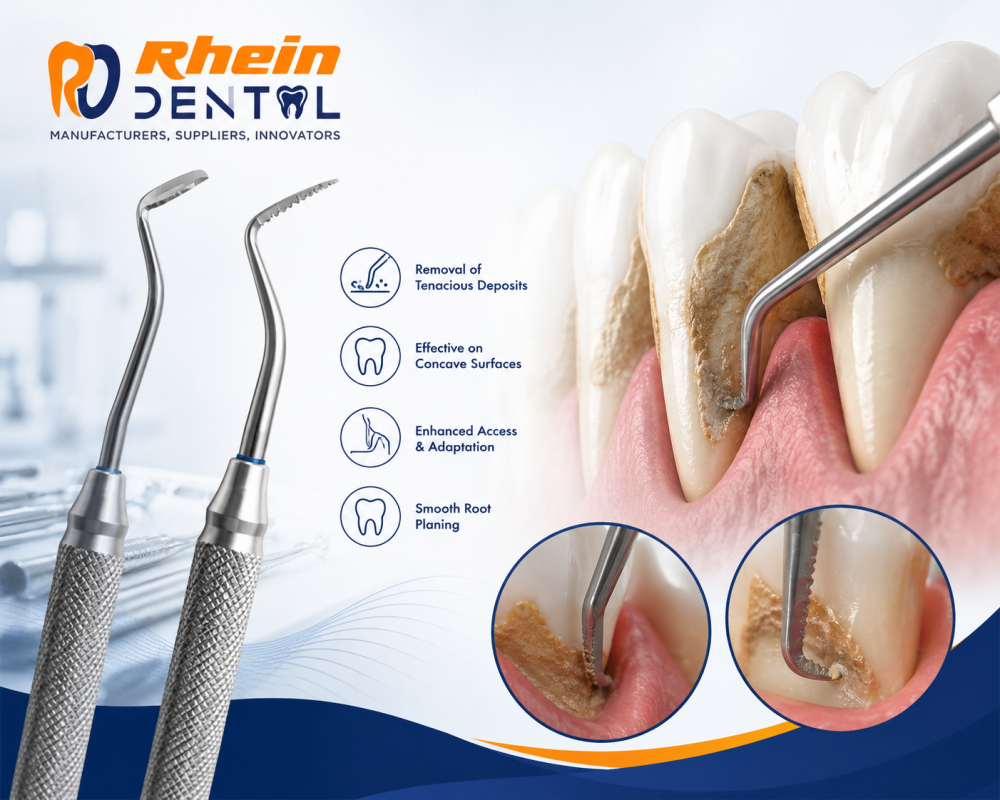
Hoe Scalers and File Scalers: Niche Applications in Tenacious Deposit Removal and Root Planing on Concave Surfaces
14
May
May
In modern periodontal therapy, clinicians often rely on ultrasonic systems and universal curettes for routine debridement. However, certain clinical situations still demand the precision and mechanical efficiency of specialized hand instruments. Among these, hoe scalers and file scalers continue to play a valuable role in managing tenacious calculus deposits and difficult root anatomies where standard […]
Dental Instruments Blog
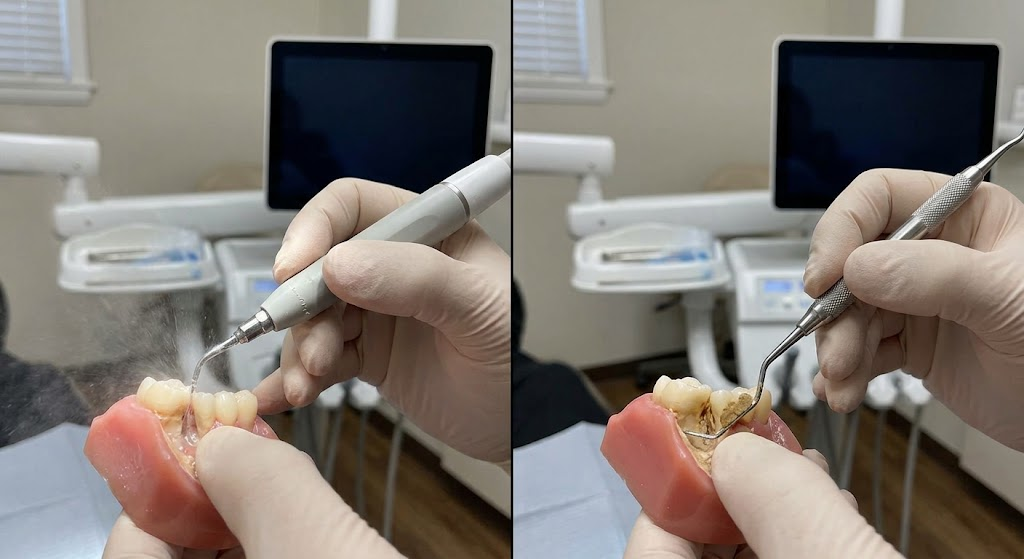
Ultrasonic Scaler Tips vs. Hand Instruments: Clinical Scenarios Where Manual Curettes Still Outperform Powered Devices
12
May
May
Modern periodontal therapy has moved strongly toward efficiency, comfort, and reduced operator fatigue. Ultrasonic scalers have become a routine part of scaling and root debridement, offering speed and irrigation-assisted biofilm disruption. Yet despite this technological progress, manual instruments especially curettes continue to hold a vital place in clinical dentistry (Ultrasonic Scalers vs Hand Curettes). Understanding […]
Dental Instruments Blog
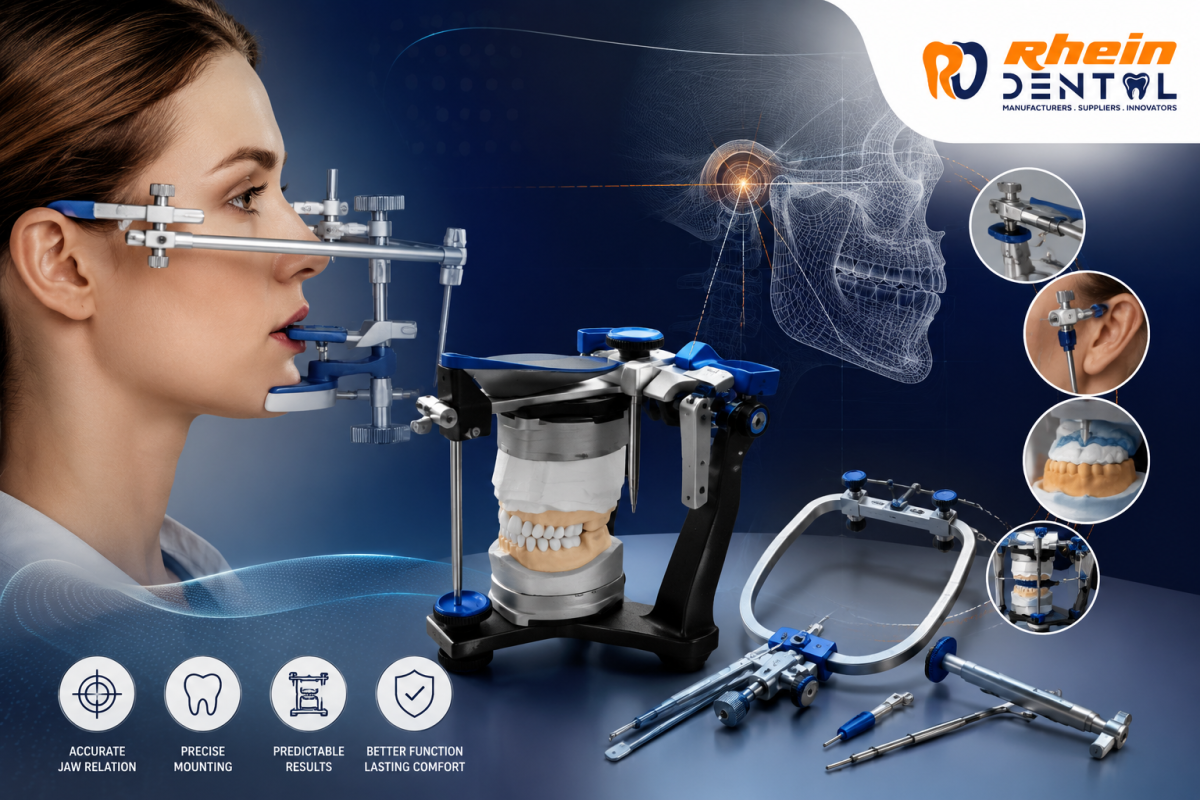
Articulator Mounting and Facebow Transfer Instruments: Establishing Correct Condylar Axis Relationships in Prosthetic Work
11
May
May
Modern prosthetic dentistry relies heavily on precision. Whether fabricating crowns, bridges, complete dentures, or implant-supported restorations, accurate replication of mandibular movements is essential for long-term function and patient comfort. Among the most critical procedures in prosthodontics are articulator mounting and facebow transfer, which help clinicians establish correct condylar axis relationships and reproduce the patient’s jaw […]
Dental Instruments Blog
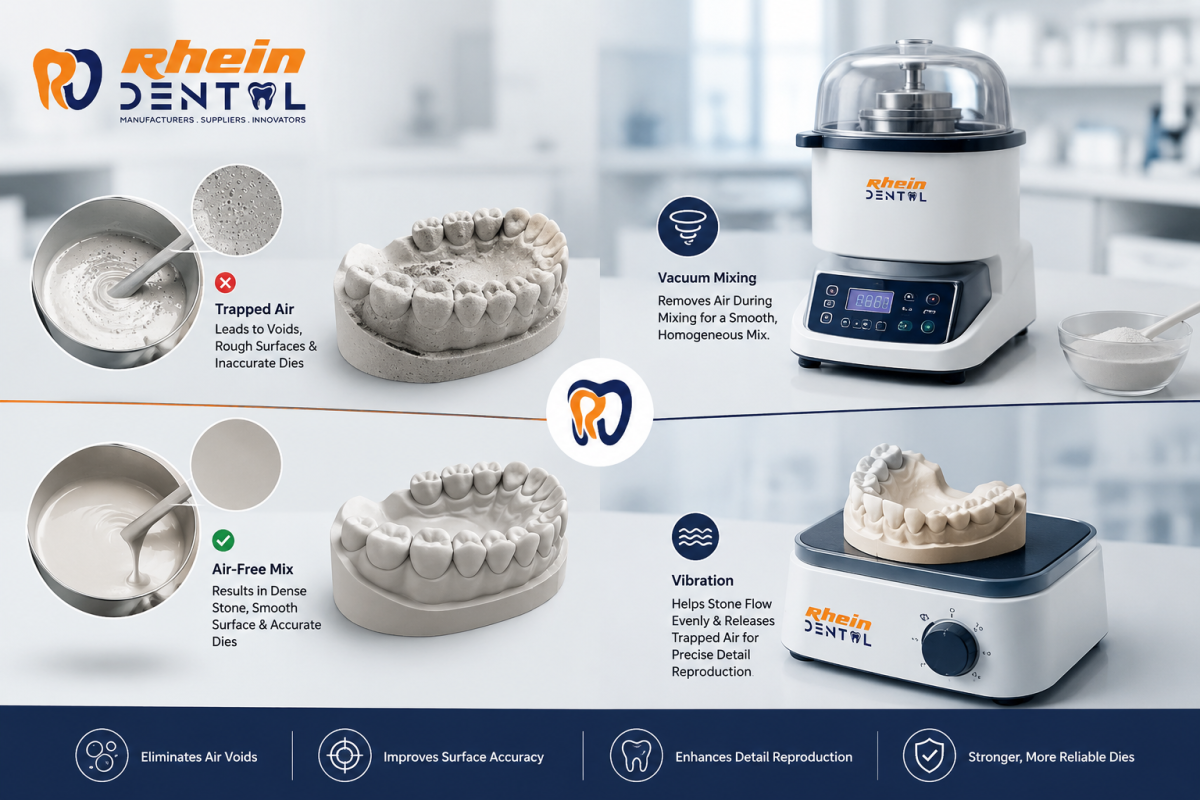
Vibrators and Vacuum Mixers for Stone Mixing: Eliminating Air Voids to Improve Die Surface Accuracy
09
May
May
Stone dies are only as accurate as the material and method used to produce them. In dental laboratories, even the smallest air voids in gypsum stone can distort margins, compromise surface detail, and ultimately affect the fit of indirect restorations. That’s where vibrators and vacuum mixers play a critical role. Together, they transform a traditionally […]
Dental Instruments Blog
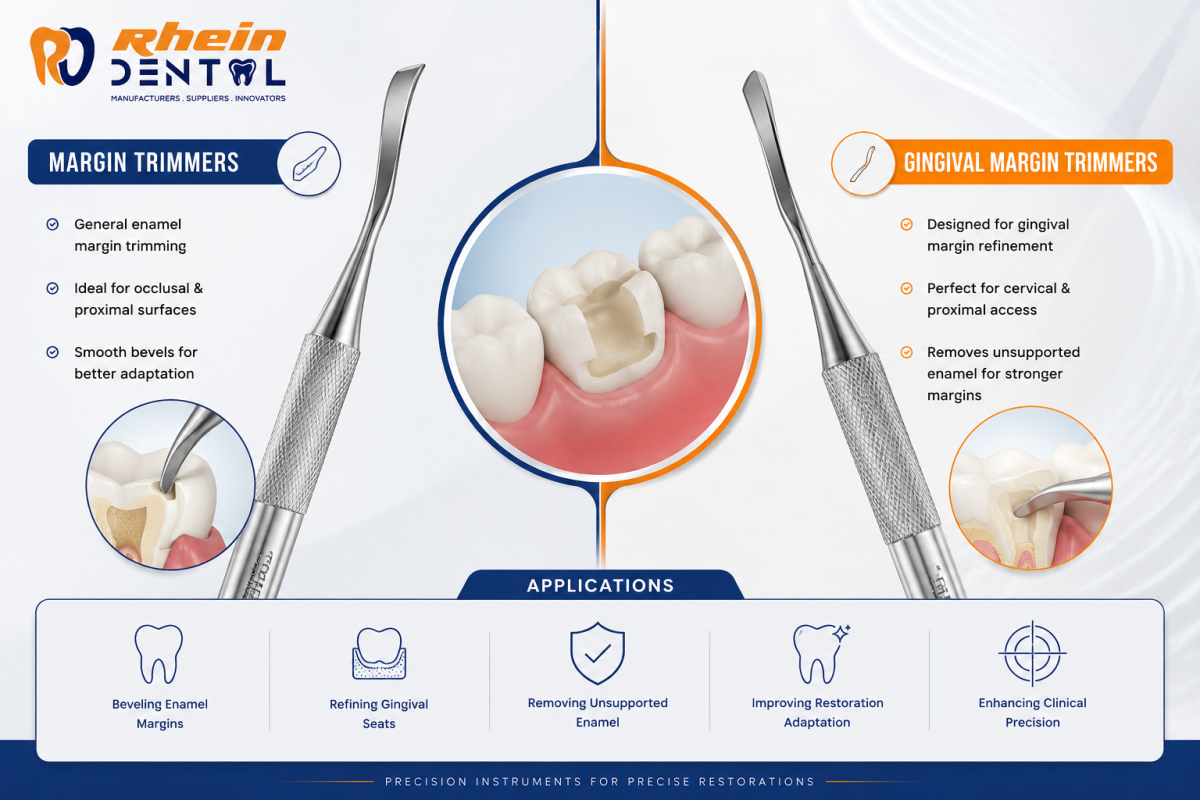
Margin Trimmers and Gingival Margin Trimmers: Functional Differences and Cavity Preparation Applications
09
May
May
In restorative dentistry, precision during cavity preparation directly influences the success, longevity, and aesthetics of restorations. Among the specialized hand instruments used for refining cavity walls and margins, Margin Trimmers and Gingival Margin Trimmers (GMTs) play an essential role. Although these instruments may appear similar at first glance, their design, cutting angles, and clinical applications […]
Dental Instruments Blog
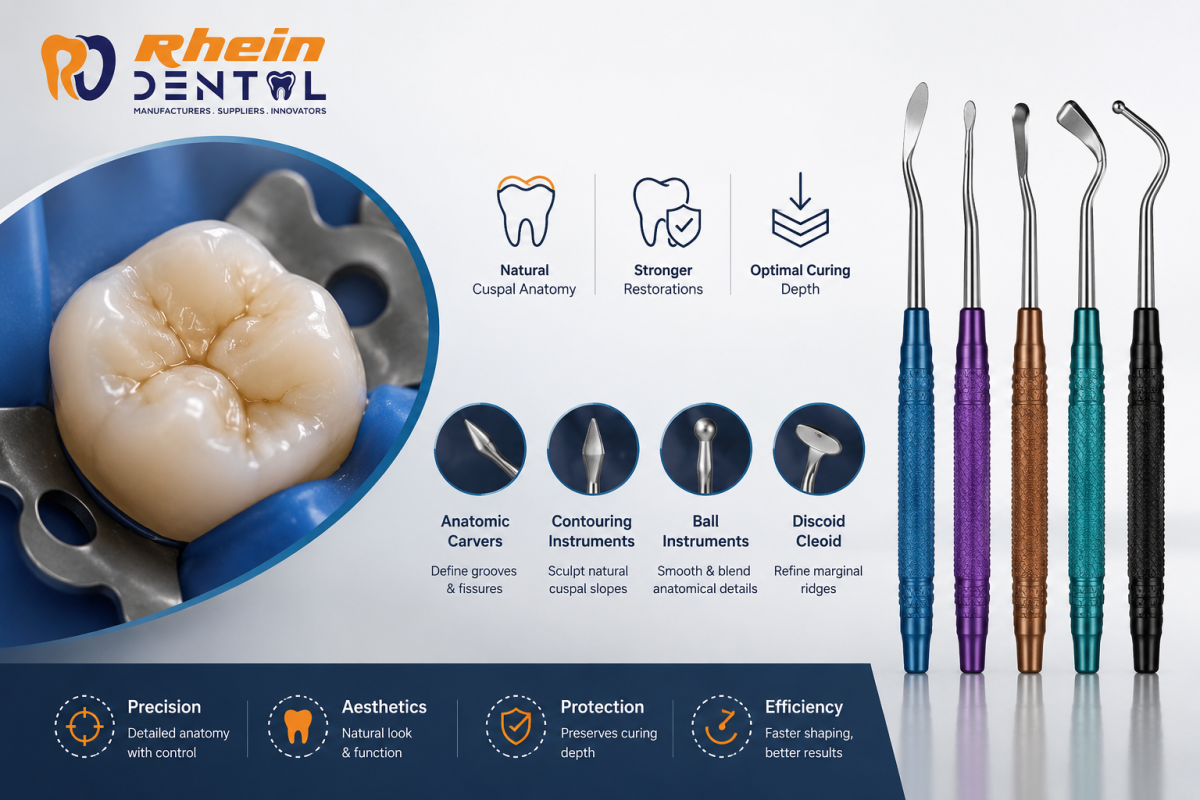
Posterior Composite Anatomy: Which Instrument Shapes Best Replicate Cuspal Morphology Without Disrupting Curing Depth
08
May
May
Achieving natural posterior tooth anatomy in composite restorations is one of the most skill-dependent tasks in restorative dentistry. The challenge is not only to replicate cuspal morphology but also to ensure adequate curing depth without compromising material properties (Posterior Composite Anatomy Instruments). If the restoration is over-contoured or poorly sculpted, it can lead to occlusal […]
Dental Instruments Blog
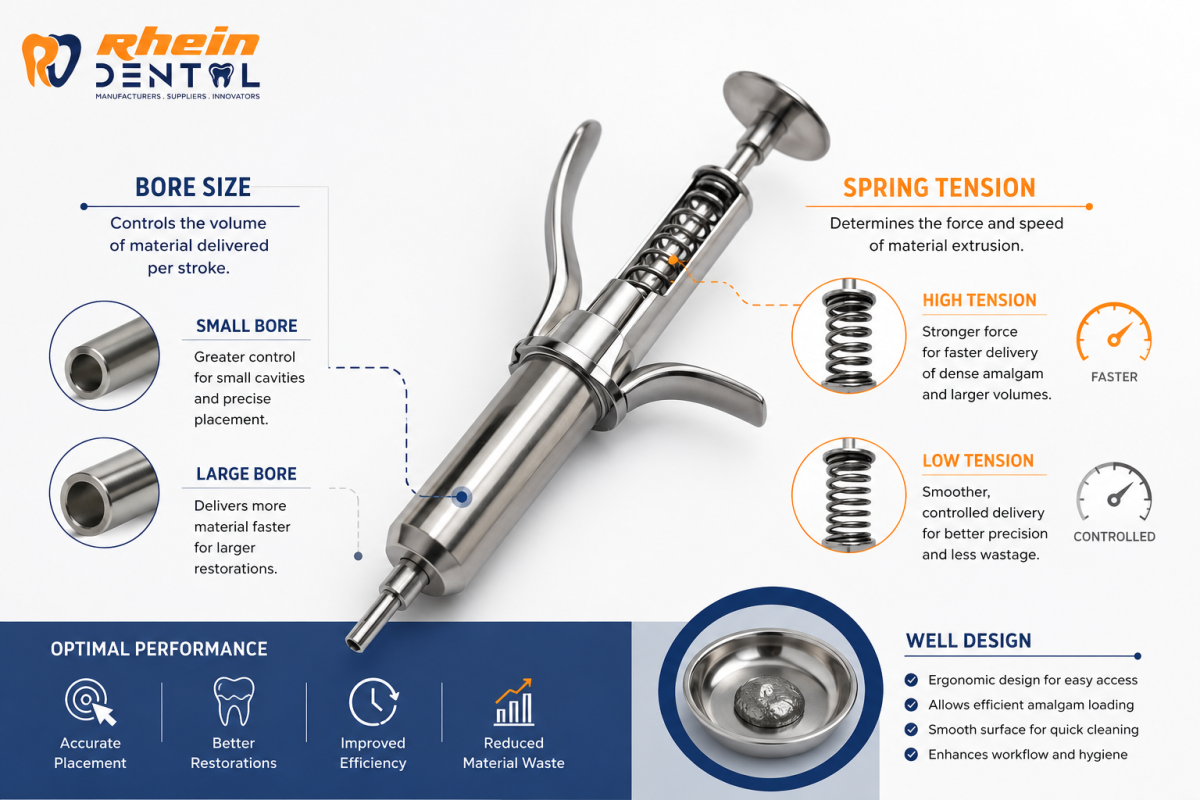
Amalgam Carriers and Well Design: How Bore Size and Spring Tension Affect Material Delivery Speed and Volume
08
May
May
Introduction Amalgam carriers remain an essential instrument in restorative dentistry, especially during procedures requiring efficient transfer of amalgam material into cavity preparations. While the instrument may appear simple, its design significantly influences clinical performance. Two critical factors—bore size and spring tension—directly affect the speed, control, and volume of material delivery (Amalgam Carrier Bore Size). Understanding […]