

In modern dental practice, infection control isn’t optional it’s foundational. Autoclaving remains the gold standard for sterilization, but not all impression trays are built to withstand repeated high-temperature cycles. Over time, inferior materials can warp, degrade, or lose structural integrity, ultimately compromising impression accuracy and clinical outcomes. So how do you choose the right autoclavable […]
Category Archives: Dental Instruments Blog
Explore in-depth guides on dental instruments, tools, and equipment. This blog covers general dentistry, endodontics, periodontics, prosthodontics, and restorative treatments. You’ll find guides on mirrors, explorers, and probes. We also cover scalers, curettes, and composite placement instruments. Amalgam carriers, porcelain condensers, and endodontic files are included too. Each guide compares materials, grades, designs, and trusted brands. Learn proper sterilization techniques and autoclave best practices. Discover instrument maintenance routines that extend tool life. Follow our storage guidelines to prevent cross-contamination. These steps help ensure patient safety in every procedure. Stay updated with the latest dental instrument innovations. We share practical buying guides for clinics and hospitals. Dental laboratories will also find tips for expanding their instrument inventory.
Dental Instruments Blog
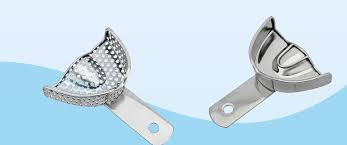
Edentulous vs. Dentate Trays: Anatomical Design Features for Different Patient Types.
17
Apr
Apr
In dental impression procedures, one size never fits all. The anatomical differences between edentulous (toothless) and dentate (teeth-present) patients require specifically designed impression trays to ensure accuracy, comfort, and functional outcomes. Selecting the correct tray type is essential for capturing precise anatomical details and achieving well-fitting prosthetics or restorations. This article explores the key differences […]
Dental Instruments Blog
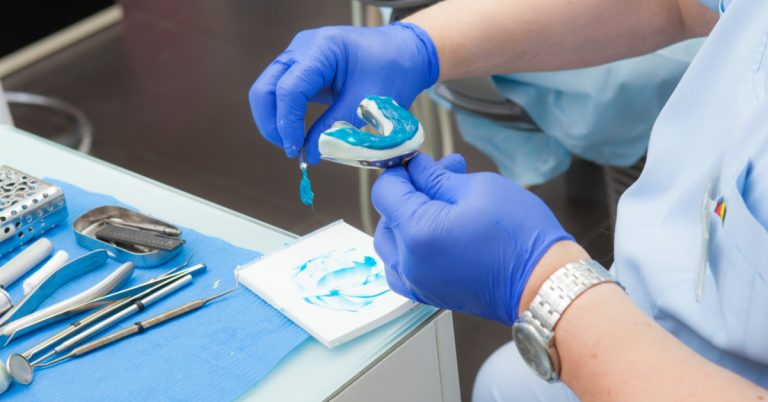
Triple Tray Systems: Simultaneous Upper and Lower Impressions for Crown Preparations
16
Apr
Apr
In restorative dentistry, precision and efficiency often go hand in hand. One of the tools that brings both together is the triple tray system. Designed to capture upper and lower impressions simultaneously along with the interocclusal record, this technique has become a valuable approach in crown and bridge preparations. What Is a Triple Tray System? […]
Dental Instruments Blog
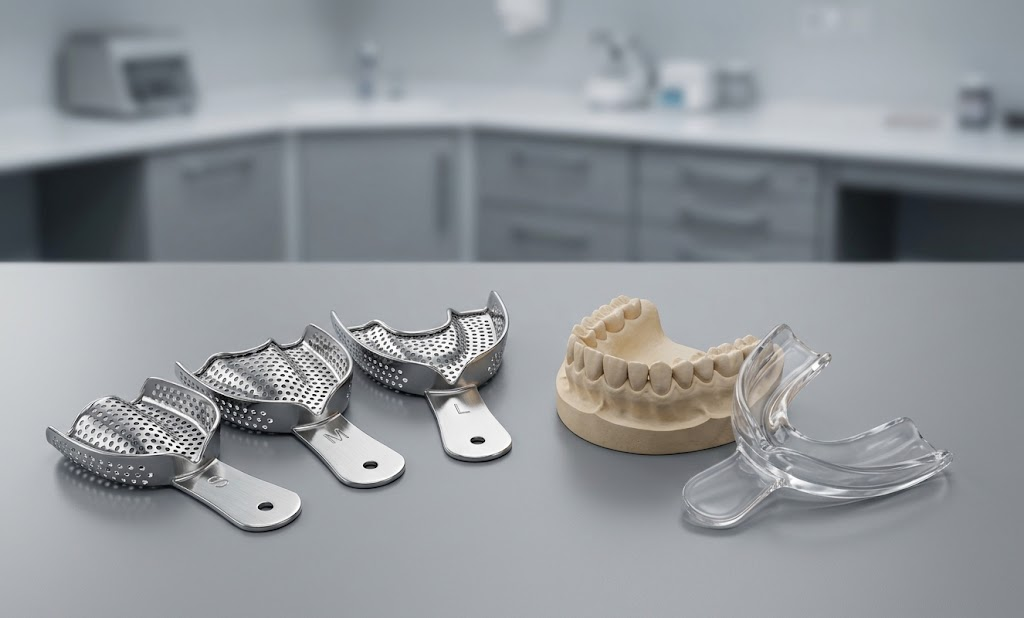
Stock vs. Custom Impression Trays: When to Use Each for Optimal Prosthetic Fit.
16
Apr
Apr
Achieving a precise prosthetic fit does not start in the lab it begins with the impression. Therefore, choosing between stock and custom impression trays plays a critical role in capturing accurate oral structures. While both options remain widely used, understanding when to use each one can significantly improve clinical outcomes, patient comfort, and workflow efficiency. […]
Dental Instruments Blog
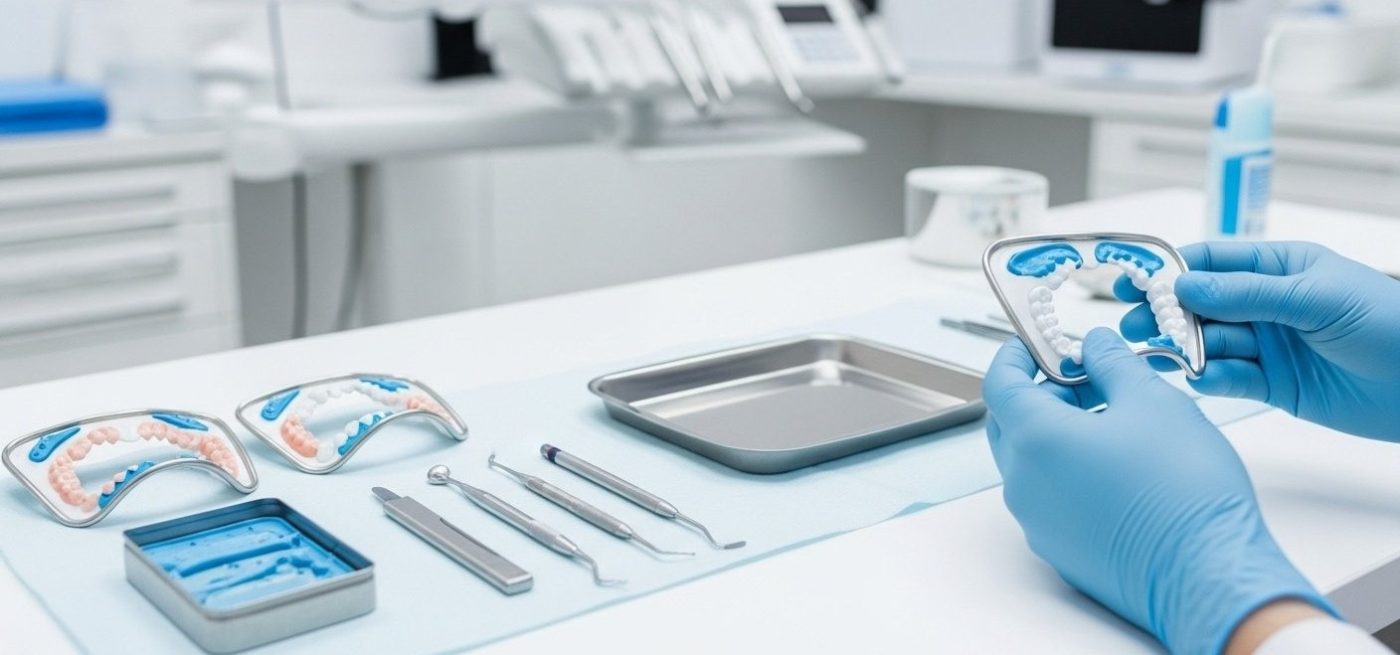
Impression Tray Adhesive Application: How Tray Design Affects Material Bonding.
16
Apr
Apr
In restorative and prosthodontic dentistry, impression accuracy is everything. However, even the best impression materials can fail if they do not properly adhere to the tray. That is where impression tray adhesives come into play. More importantly, tray design itself plays a critical role in how effectively these adhesives perform. Understanding this relationship can significantly […]
Dental Instruments Blog
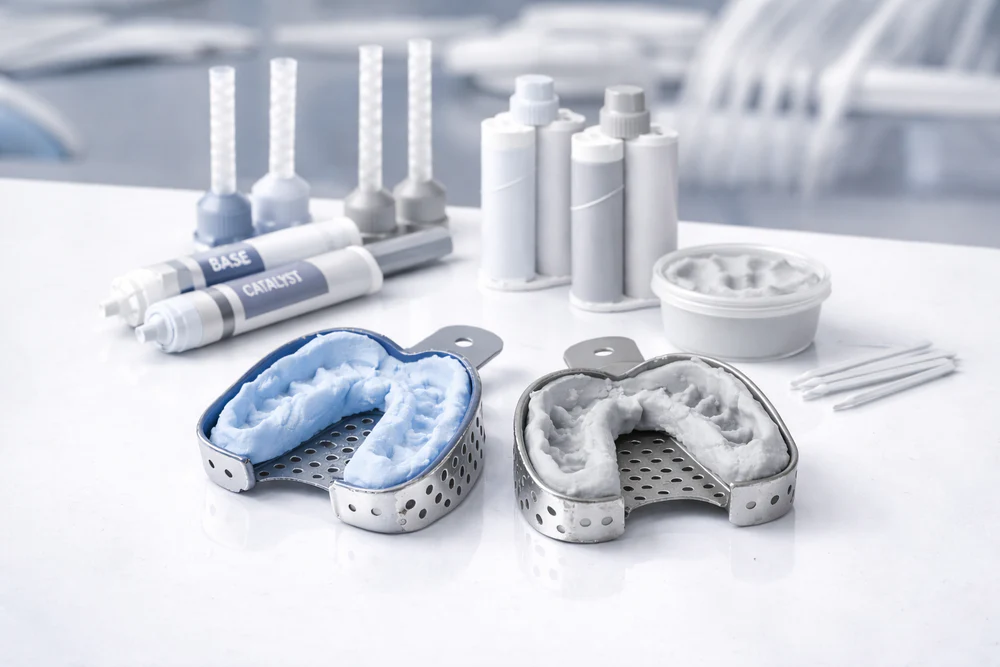
Perforated vs. Solid Impression Trays: Material Retention and Accuracy Considerations.
15
Apr
Apr
In restorative and prosthodontic dentistry, the accuracy of impressions plays a critical role in ensuring the success of final restorations. One often overlooked yet essential factor influencing impression quality is the type of tray used. Choosing between perforated and solid impression trays can significantly impact material retention, dimensional stability, and overall accuracy. This article explores […]
Dental Instruments Blog
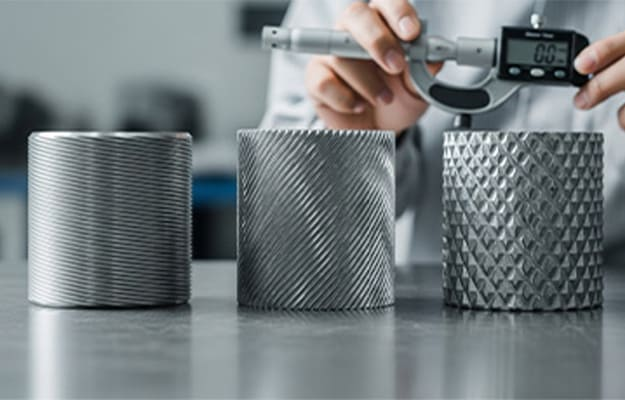
Mirror Handle Texturing: How Knurled Grips Prevent Slippage During Wet Procedures.
14
Apr
Apr
Introduction In dental and surgical settings, precision is everything. Even the smallest loss of control can impact performance, efficiency, and patient safety. One often overlooked but critical design feature in instruments is handle texturing especially knurled grips on mirror handles. During wet procedures where fluids like saliva, blood, or irrigation solutions are present, these textured […]
Dental Instruments Blog
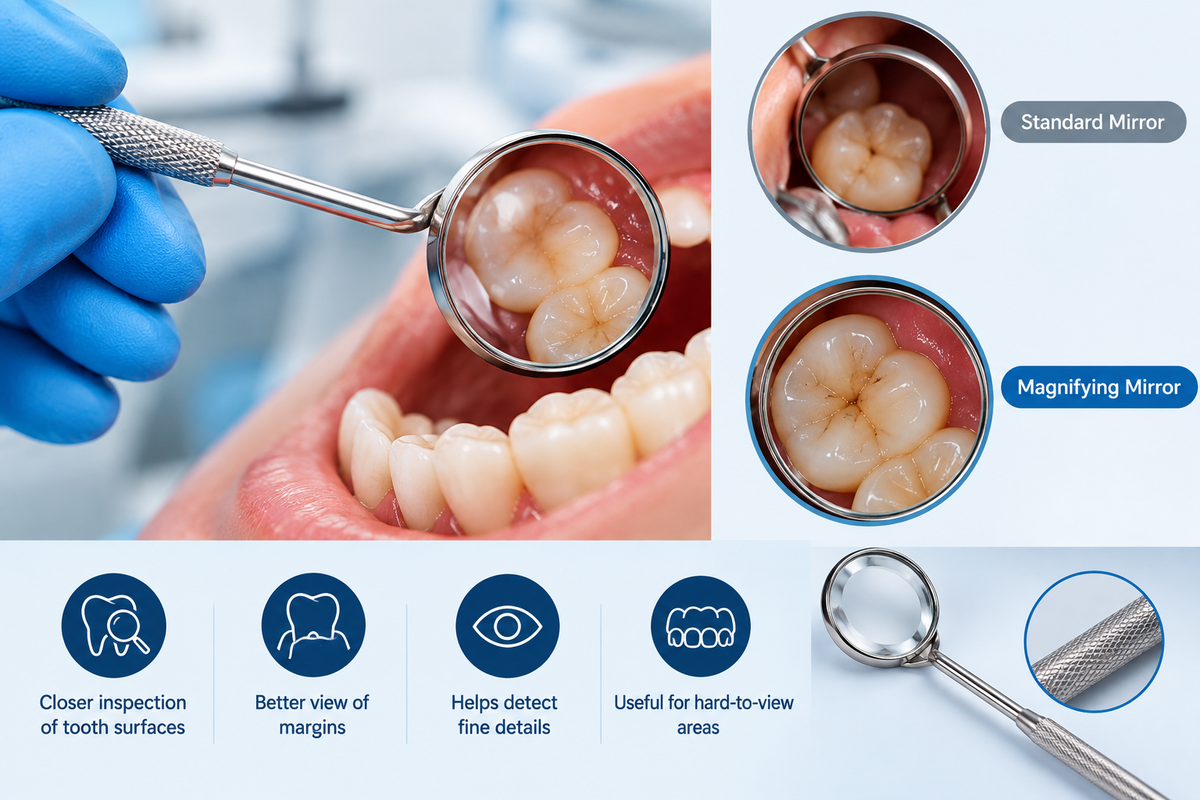
Magnifying Dental Mirrors: When to Use Enhanced Visualization Tools for Detailed Inspection
14
Apr
Apr
In modern dentistry, precision is no longer optional it’s expected. As procedures become more refined and patient expectations continue to rise, clinicians are increasingly turning to enhanced visualization tools to improve diagnostic accuracy. Among these, magnifying dental mirrors stand out as a simple yet powerful upgrade to traditional instruments. But when exactly should you use […]
Dental Instruments Blog
Disposable vs. Reusable Mirror Heads: Infection Control and Cost Considerations.
13
Apr
Apr
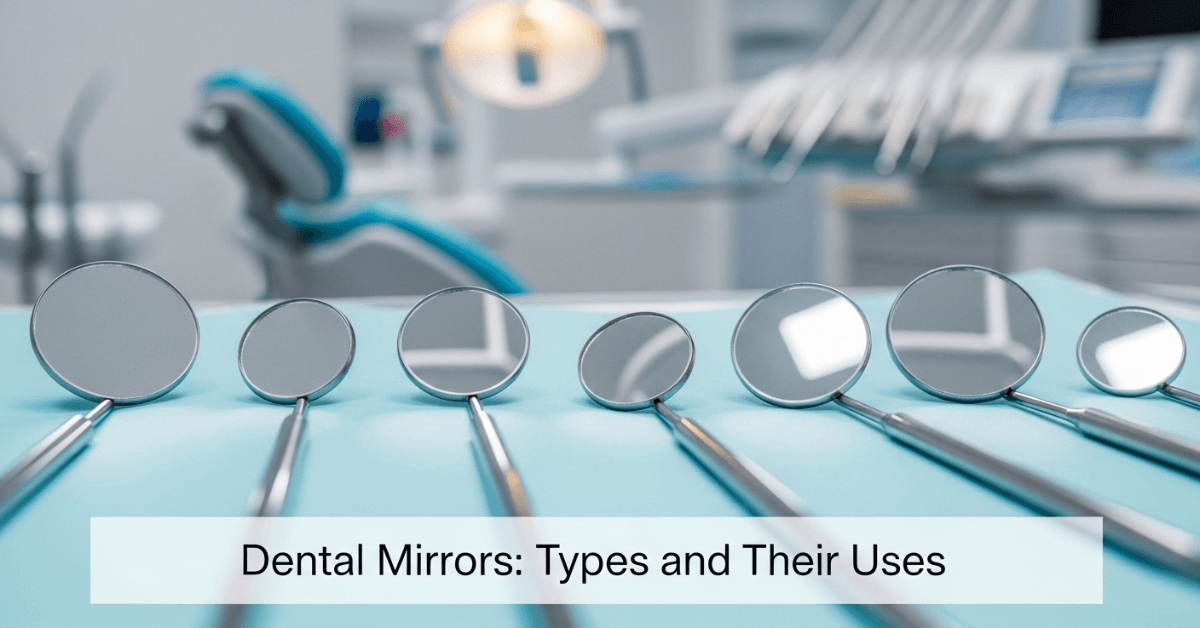
In dental practice, infection control and cost efficiency are two critical factors that influence instrument selection. Mirror heads used in nearly every examination are available in both disposable and reusable options. Understanding the differences between these two can help dental professionals maintain high hygiene standards while managing operational costs effectively. What Are Disposable and Reusable […]
Dental Instruments Blog
Lightweight vs. Standard Mirror Handles: Ergonomic Benefits for Extended Examinations.
13
Apr
Apr
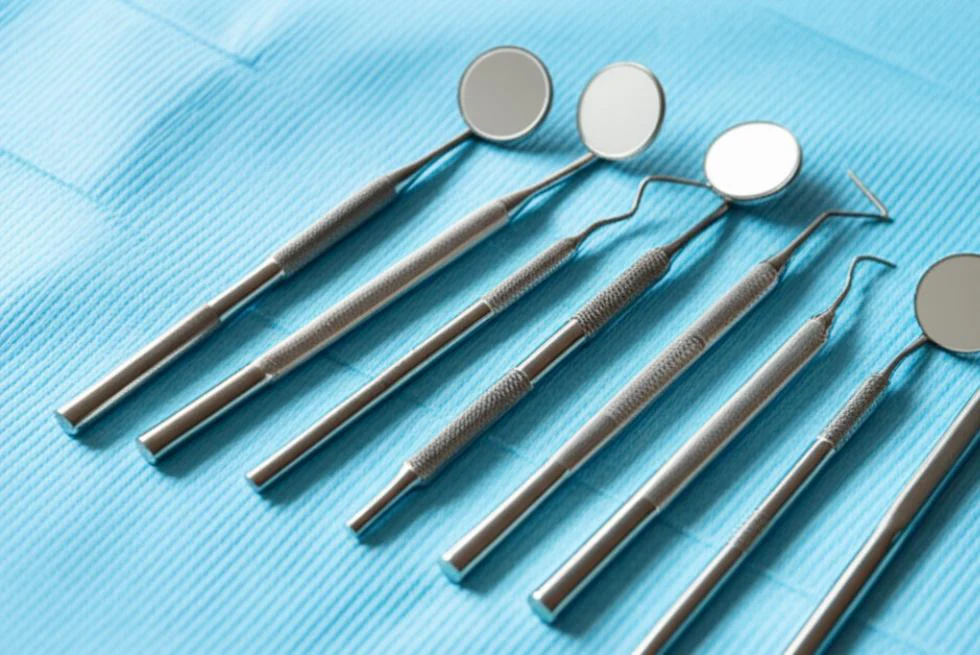
In modern dental practice, efficiency and comfort go hand in hand. While much attention is given to advanced equipment and techniques, the design of everyday instruments like mirror handles plays a critical role in a clinician’s performance and long-term health. Choosing between lightweight and standard mirror handles is not just a matter of preference; it […]